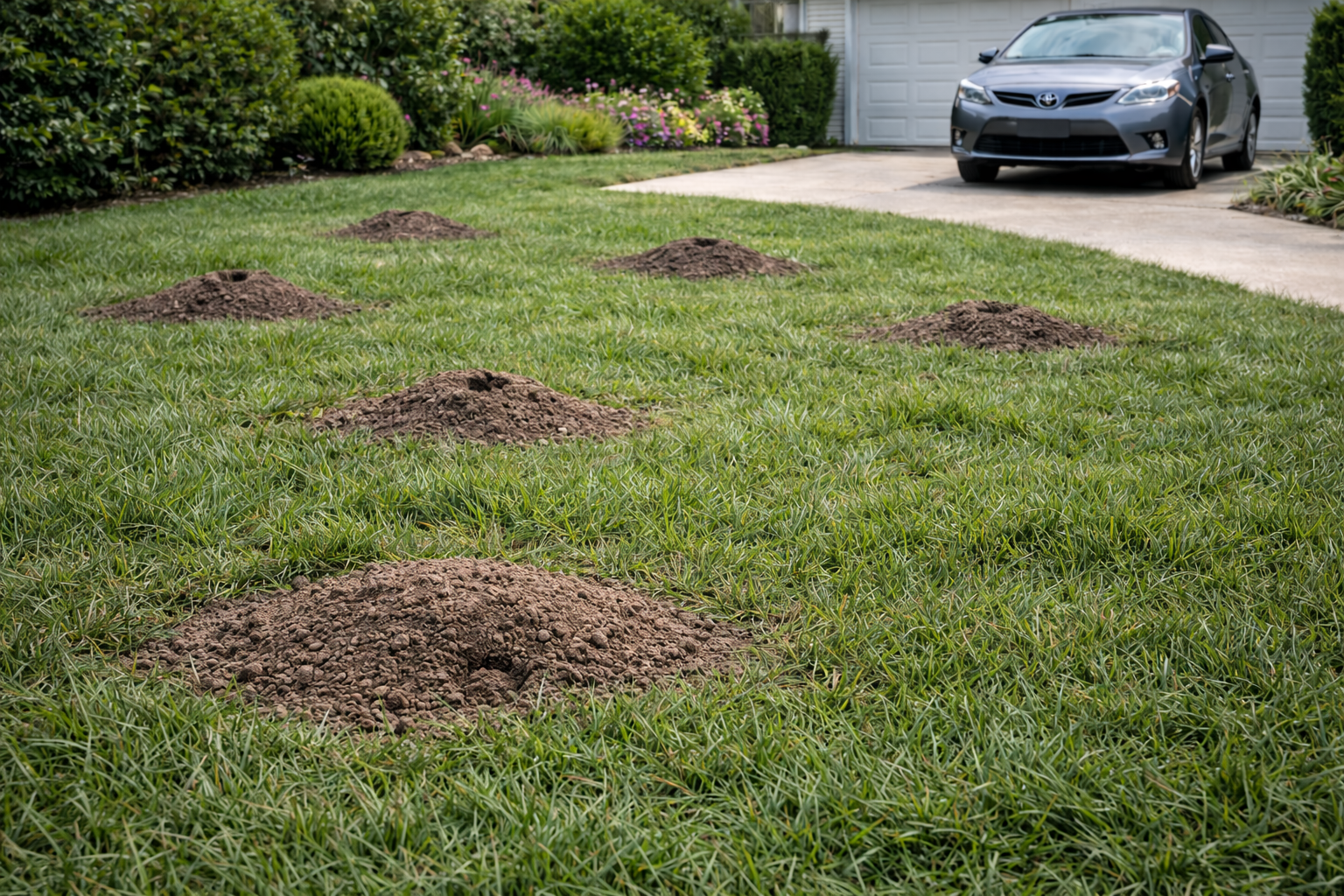
Gopher Activity in South Gate, CA

South Gate, located in southeastern Los Angeles County, experiences consistent gopher activity throughout the year due to its combination of suitable soil conditions, residential landscaping, and proximity to undeveloped areas. Property owners in this community regularly encounter evidence of gopher tunneling systems beneath lawns, gardens, and ornamental plantings. Understanding the factors that make South Gate an attractive habitat for these burrowing rodents is essential for residents seeking to protect their properties and maintain healthy landscapes.

Why South Gate Has Significant Gopher Activity

South Gate's geographic and environmental characteristics create ideal conditions for gopher populations. The area sits on alluvial plains with predominantly sandy loam and clay loam soils that are relatively easy for gophers to excavate compared to harder, rocky soils found in nearby foothill regions. The region's Mediterranean climate—characterized by mild, wet winters and hot, dry summers—provides year-round opportunities for gopher activity, with increased tunneling during cooler months when soil moisture is higher.

The extensive residential and commercial irrigation infrastructure throughout South Gate contributes significantly to gopher presence. Properties with established landscaping, maintained lawns, and regular watering create subsurface moisture conditions that gophers prefer, as these conditions keep soil at optimal workability and support the vegetation that comprises their diet. Additionally, South Gate's location in the greater Los Angeles urban region places it within dispersal range of gophers from the San Gabriel Valley and surrounding agricultural lands. The community's mix of older residential neighborhoods with mature trees and shrubs alongside newer developments provides diverse habitat patches that support sustained populations. Proximity to relatively undisturbed areas, including portions of the Los Angeles River ecosystem and remnant agricultural lands to the east, ensures a constant recruitment source for gopher colonization into developed properties.

Common Gopher Species in South Gate

The Botta's pocket gopher (Thomomys bottae) is the predominant gopher species encountered throughout South Gate and the broader Los Angeles metropolitan area. This species derives its common name from the external fur-lined cheek pouches that gophers use to transport food and nesting materials through their tunnel systems. Adult Botta's pocket gophers typically weigh between four and eight ounces and measure six to eight inches in body length, with a short tail adding only one to two inches.

Botta's pocket gophers display coloration ranging from light tan to dark brown, though South Gate populations often exhibit the darker brown phenotype characteristic of coastal Southern California populations. Their eyes are small and functional, though vision is not their primary sensory mechanism; instead, they rely heavily on tactile sensitivity in their hairless muzzle and whiskers to navigate underground. These gophers possess powerful forelimbs equipped with long claws specifically adapted for digging, allowing them to excavate extensive tunnel networks with remarkable efficiency. South Gate's warm climate and extended growing season support year-round activity, unlike regions where gophers enter dormancy during winter months. The local soil conditions allow Botta's pocket gophers to maintain multiple burrow systems with distinct feeding tunnels, nesting chambers, and storage areas where they hoard plant materials and tubers for consumption during periods of food scarcity.

When Gopher Activity Peaks in South Gate

Gopher activity in South Gate exhibits distinct seasonal patterns driven by breeding cycles, moisture availability, and food abundance. The primary breeding season typically occurs between January and March, with peak mating activity correlating with increasing daylight length and soil moisture from winter rains. During this period, both male and female gophers expand their territories and tunnel systems as reproductive drive intensifies, resulting in increased visible mounding activity and more frequent evidence of surface disturbance on residential properties.

Spring months, particularly March through May, represent another peak activity period in South Gate as newly independent juvenile gophers disperse from maternal burrow systems and establish their own territories. The region's winter and early spring rainfall, while modest compared to northern California, stimulates germination of annual plants and increases soil moisture to levels optimal for both digging and plant growth. This combination of environmental factors drives intensive tunneling behavior. Summer months in South Gate bring hotter, drier conditions that may reduce surface activity somewhat, though established populations maintain their burrow systems and continue subsurface foraging. Fall activity, particularly September through November, increases again as gophers prepare for winter by expanding food caches and reinforcing burrow structures. Year-round mild temperatures in South Gate, rarely experiencing freezing conditions, mean that gopher activity never completely ceases as it might in more northerly regions, making consistent monitoring of properties essential throughout all seasons.

Signs of Gopher Damage in South Gate Yards

Property owners in South Gate should become familiar with the distinctive visual indicators of gopher activity to detect infestations early. The most recognizable sign is the presence of mounds—characteristic crescent or horseshoe-shaped mounds of loose soil that appear above ground where gophers excavate burrow systems. These mounds typically measure six to twelve inches in diameter and consist of relatively uniform soil lacking the rocks and debris common in mole hills. Unlike mole hills, which often appear symmetrical, gopher mounds typically display the characteristic plug of soil that gophers create as they push excavated material through vertical tunnels.

Beyond mounding, gophers inflict damage through feeding on plant roots, bulbs, and underground portions of vegetables and ornamentals. Homeowners frequently discover prized plants—including roses, fruit trees, and vegetable seedlings—suddenly wilting and dying as gophers sever root systems from below. In South Gate's common vegetable gardens and landscaped yards, this damage can be particularly severe. Raised beds and in-ground plantings both remain vulnerable unless protected. Gophers also damage irrigation systems by tunneling through drip lines, polyethylene tubing, and underground pipes, creating water leaks that waste resources and potentially damage hardscaping. Subsurface tunneling creates visible ridges or depressions as burrow roofs collapse, creating uneven ground surfaces that pose tripping hazards and complicate lawn maintenance. Accumulated tunnel damage across a property can eventually create sinkholes or significant ground settling, particularly problematic given South Gate's clay-heavy soils that compact and settle differently than sandy soils in surrounding regions.

Landscape Considerations for South Gate Properties

South Gate's established neighborhoods feature diverse landscaping styles reflecting decades of residential development, ranging from traditional Southern California cottage gardens with fruit trees and perennial shrubs to contemporary xeriscaping with drought-tolerant ornamentals. The community's many mature landscape plantings create particularly attractive habitat for gophers, as established root systems provide abundant food sources and complex underground structures facilitate tunnel construction. Properties with significant tree canopies, common throughout older South Gate neighborhoods, experience concentrated gopher activity in root zones beneath these trees.

Certain plant species demonstrate greater vulnerability to gopher herbivory than others, and South Gate gardeners should understand these preferences when designing or maintaining landscapes. Gophers show particular preference for plant species with succulent tubers, bulbs, or roots, including dahlia, tulip, carrot, and alfalfa. Established citrus trees—common in South Gate properties—face significant risk from gopher root damage. Many flowering shrubs and perennials preferred in local landscapes, including roses, ornamental grasses, and vegetables, represent attractive food sources. Conversely, some plants demonstrate greater resistance to gopher damage, including aromatic herbs like rosemary and lavender, mature established trees with deep root systems, and plants with toxic or unpalatable foliage. Hardscape features including patios, walkways, and rock gardens provide some protection for specific garden areas, though gophers readily tunnel beneath hardscaping to access gardens on opposite sides. Properties combining extensive lawn areas with ornamental plantings face elevated risk, as maintained turf encourages regular irrigation that gophers exploit for subsurface habitat creation. Understanding local soil conditions, moisture patterns, and the specific plant community composition on individual South Gate properties allows for more effective landscape planning that acknowledges gopher activity as an environmental reality.