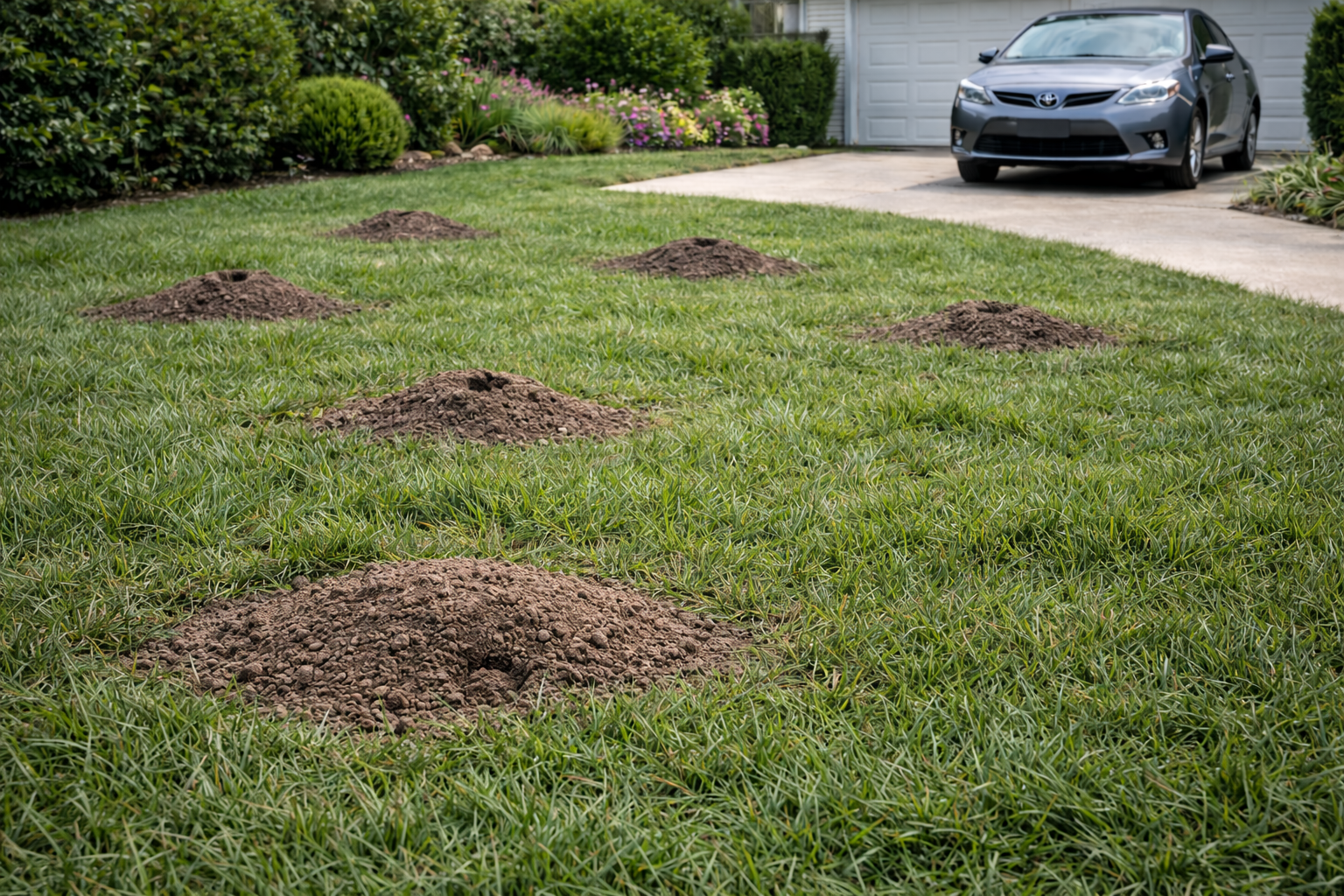
Gopher Activity in South Pasadena, CA

South Pasadena residents contend with persistent gopher populations that thrive in the community's unique soil composition, irrigation-heavy landscaping, and proximity to natural habitats. The incorporation of the town into the greater San Gabriel Valley ecosystem, combined with year-round moderate temperatures, creates ideal conditions for pocket gopher colonization and activity. Understanding the scope and patterns of gopher presence helps property owners recognize problems early and make informed landscape decisions.

Why South Pasadena Has Significant Gopher Activity

The geological and environmental conditions in South Pasadena create particularly favorable circumstances for gopher populations. The town sits in a region characterized by alluvial soils—deposits from historical water movement through the San Gabriel Valley—which are generally loose, well-draining, and relatively easy for gophers to excavate. These soil types dominate residential areas throughout South Pasadena, from the neighborhoods near the Raymond Hill area down through the properties adjacent to the Arroyo Seco.

Irrigation infrastructure represents another significant factor in gopher activity. South Pasadena's Mediterranean climate features dry summers and mild winters, requiring most established landscaping to depend on supplemental watering. This combination of moist soil from irrigation systems and abundant plant roots creates a high-nutrition environment that attracts and sustains pocket gopher populations. The extensive root systems of established trees and shrubs throughout South Pasadena neighborhoods provide both food sources and protective tunnel networks.

Proximity to the Arroyo Seco and natural open spaces on the western and northern boundaries of the city means gophers have access to established populations in less disturbed habitats. These wild populations continuously expand into residential areas, particularly during breeding season and when natural food becomes scarce. The temperate South Pasadena climate, with average winter lows around 48°F and summer highs near 80°F, allows year-round gopher activity without the hibernation periods that limit populations in colder regions.

Common Gopher Species in South Pasadena

Botta's pocket gopher (Thomomys bottae) represents the dominant gopher species throughout South Pasadena and the surrounding San Gabriel Valley region. These burrowing rodents are medium-sized, typically weighing between 2 and 4 ounces, with stocky bodies adapted for subterranean life. Their fur ranges from brown to grayish-brown, and they possess powerful front claws and teeth specifically designed for excavation and chewing through soil and roots.

Unlike ground squirrels or other visible rodents, Botta's pocket gophers spend the majority of their lives underground, emerging only occasionally to forage or relocate. Their name derives from the external cheek pouches—lined with fur—that they use to transport food back to underground chambers. These pouches are distinctive features that differentiate pocket gophers from other burrowing mammals found in the South Pasadena area.

Adult Botta's pocket gophers in South Pasadena establish individual territories, with males typically occupying larger areas than females. A single gopher can create an extensive burrow network spanning thousands of square feet, though most active tunneling occurs in the upper 12 inches of soil where roots concentrate. The species thrives in South Pasadena's loamy and sandy soils, which allow relatively easy tunnel construction compared to dense clay-heavy environments. Solitary by nature, each burrow system represents one individual's territory, though multiple gophers may occupy adjacent properties in areas with ideal conditions and abundant food sources.

When Gopher Activity Peaks in South Pasadena

Gopher activity in South Pasadena follows distinct seasonal patterns tied to breeding cycles and environmental conditions. The primary breeding season extends from January through March, corresponding with the town's rainy winter months. During this period, males actively search for mates, expanding their tunnel networks and traveling greater distances than during other seasons. This increased movement makes winter and early spring the most visible periods for gopher damage observation.

Spring rains in South Pasadena, typically occurring between February and April, coincide with peak gopher activity. The moisture softens soil and stimulates plant growth, providing abundant food resources and making tunnel excavation easier. Homeowners frequently notice fresh mounds and new damage patterns appearing after significant rainfall events during this window. Late spring through early summer sees continued activity as young gophers disperse from maternal burrows and seek to establish their own territories.

Summer activity often decreases noticeably as irrigation-dependent landscapes represent the primary moisture sources. However, South Pasadena properties that maintain consistent watering schedules may experience sustained gopher presence throughout the warmer months. Fall months, particularly September through November, show moderate activity levels as gophers prepare for winter and take advantage of late-season plant growth. Year-round activity remains possible in South Pasadena due to the mild climate, distinguishing the region from areas experiencing harsh winter dormancy periods that naturally reduce gopher populations seasonally.

Signs of Gopher Damage in South Pasadena Yards

The most obvious indicator of gopher presence is the appearance of soil mounds in yards and landscaped areas throughout South Pasadena. These mounds form as gophers excavate tunnels and push excess soil to the surface, creating distinctive dome-shaped piles typically 4 to 8 inches in diameter. Unlike mole mounds, which appear as ridges, gopher mounds are generally more discrete and concentrated in specific spots. Multiple fresh mounds appearing within days typically indicate active tunneling and an established population.

Subsurface tunnel damage often precedes visible mounding. Gopher tunnels directly beneath plant roots can sever those roots, causing sudden wilting or death of trees, shrubs, and ornamental plantings common to South Pasadena landscaping. Roots of established landscape plants—including the oak trees, sycamores, and flowering shrubs popular in the area—become severed by active burrowing. Landscape sections may appear to sink or develop uneven settling as soil displaced by tunnel networks shifts and compacts.

Irrigation system damage represents a significant secondary problem in South Pasadena's water-dependent landscape. Gopher tunnels frequently intersect with drip irrigation lines, soaker hoses, and spray head risers. Punctured irrigation lines result in water leaks, reduced plant watering efficiency, and increased water bills. In some cases, gophers chew through plastic irrigation components to access the moisture within. Observable signs include dry patches appearing suddenly within otherwise irrigated areas, or wet spots in unexpected locations indicating compromised irrigation lines running through gopher tunnels.

Landscape Considerations for South Pasadena Properties

South Pasadena's landscaping aesthetic traditionally emphasizes mature trees, established shrubs, and diverse plantings that create the community's distinctive character. Oak trees, California sycamores, fruitless mulberries, and various ornamental species typical of South Pasadena's established residential properties are particularly vulnerable to gopher damage because their extensive root systems attract burrowing activity. The irrigation systems supporting these landscaping choices create the moist soil conditions that sustain gopher populations. Understanding this relationship helps property owners make informed maintenance decisions.

Softscape areas—garden beds, lawn sections, and planted areas—throughout South Pasadena experience the most visible gopher activity. The loose, well-worked soil of planted beds and the root concentration under lawn grass create ideal conditions for rapid tunnel expansion. Hardscape features like patios, pathways, and retaining walls, common in South Pasadena's hillside neighborhoods, experience less active burrowing, though subsurface tunnels beneath hardscape can eventually cause settling and structural issues.

The prevalence of mature landscape on established South Pasadena properties presents particular challenges because removing or significantly altering vegetation to eliminate gopher habitat conflicts with community character and property aesthetics. Most South Pasadena residents prefer maintaining their existing landscape investments rather than implementing the wholesale removal of plantings required for complete habitat elimination. This reality means management strategies typically focus on monitoring, early damage detection, and selective protection of high-value plants rather than landscape transformation. Choosing gopher-resistant plant species, protecting root systems of valuable trees, and maintaining landscape awareness represent practical approaches for South Pasadena property owners managing long-term gopher presence.