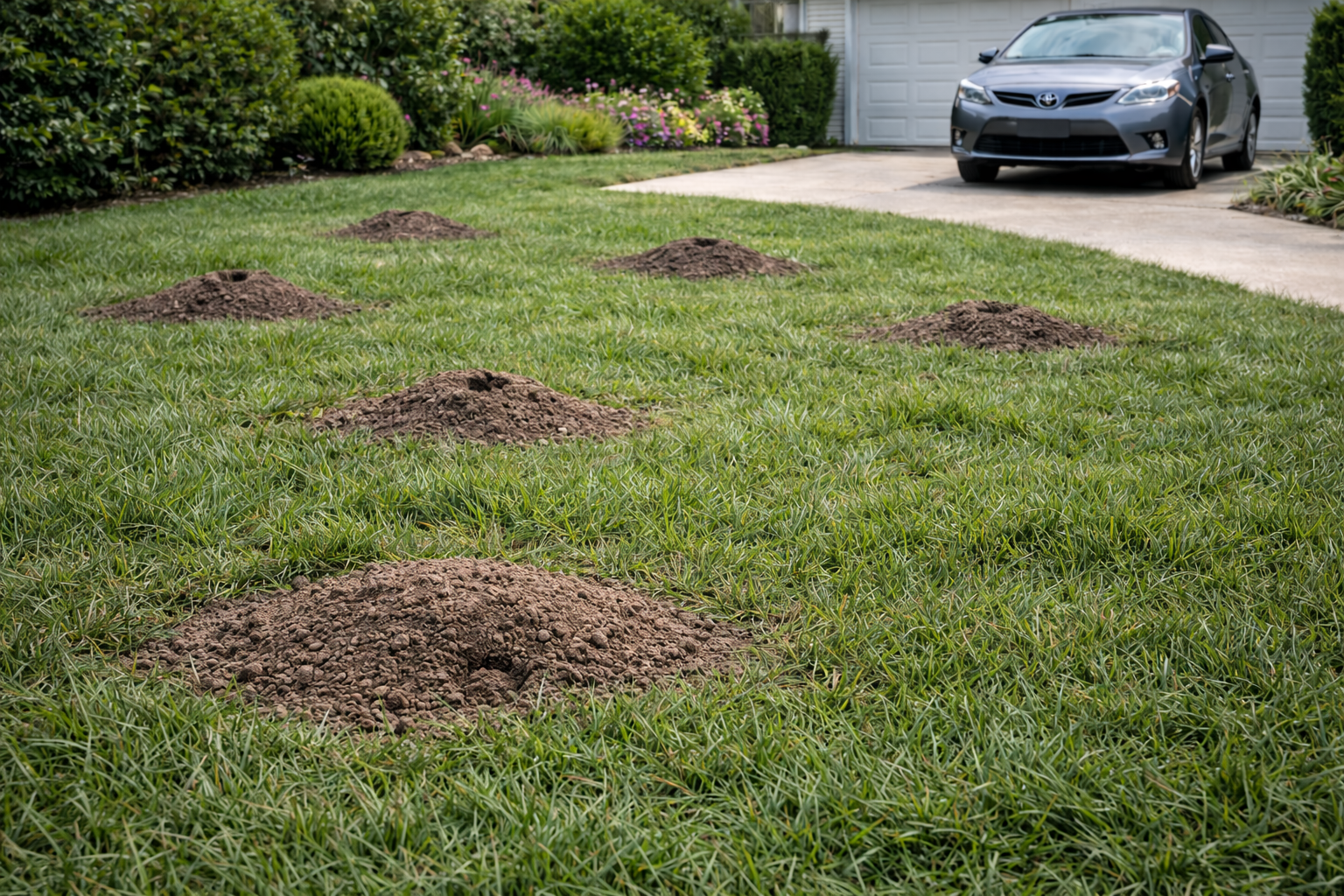
Gopher Activity in Studio City, CA

Studio City, nestled in the Hollywood Hills area of Los Angeles, experiences a notable presence of gophers throughout residential and semi-developed properties. The neighborhood's unique combination of irrigated gardens, proximity to chaparral-covered hillsides, and favorable soil conditions creates an ideal habitat for burrowing rodent activity. Understanding the patterns and impacts of gophers in this specific community helps property owners recognize signs of infestation and make informed decisions about landscape management.

Why Studio City Has Significant Gopher Activity

Studio City's gopher population thrives due to several interconnected environmental factors specific to the neighborhood. The area sits on the southern slopes of the Hollywood Hills, where decomposed granite and sandy loam soils prevalent throughout the community are ideal for tunnel construction. These soil types, combined with the region's relatively shallow water table in lower-lying areas near Laurel Canyon Boulevard and Coldwater Canyon Avenue, provide gophers easy access to moisture and softer substrate for burrowing.

The extensive irrigation systems that support the neighborhood's landscaped yards represent a significant attractant for gophers. Studio City's Mediterranean climate features mild, wet winters and dry summers, necessitating regular supplemental watering to maintain the ornamental gardens, turf areas, and vegetable plots common throughout residential properties. This consistent soil moisture softens the earth and creates predictable food sources, as irrigation supports the growth of roots, bulbs, and succulent plants that form the core of a gopher's diet.

Additionally, Studio City's proximity to the Los Feliz Hills and undeveloped chaparral areas serves as a natural gopher reservoir. Properties bordering these hillside areas experience higher activity levels, as gophers naturally expand outward from wild habitat into nearby cultivated spaces. The neighborhood's mix of dense residential development and adjacent open space creates a transitional zone where gopher populations readily establish themselves.

Common Gopher Species in Studio City

The Botta's pocket gopher (Thomomys bottae) represents the dominant gopher species found throughout Studio City and the greater Los Angeles Basin. This medium-sized rodent typically measures six to eight inches in body length, with a short, sparsely-haired tail and powerful front legs equipped with prominent claws adapted for extensive tunneling. The species displays fur coloration ranging from brown to nearly black, allowing them to blend effectively with local soil conditions.

Botta's pocket gophers possess distinctive external cheek pouches, which give the family its common name and allow individual gophers to transport food and nesting materials through tunnel systems. Studio City's individual gophers are solitary creatures with the exception of brief mating periods, establishing and defending individual burrow systems that can extend across multiple residential lots. A single gopher tunnel network may encompass several hundred square feet, though activity often becomes concentrated in areas with optimal food resources and soil conditions.

These animals are fossorial specialists, meaning they spend the vast majority of their lives underground. Unlike ground squirrels or other surface-dwelling rodents, gophers rarely emerge from their burrows except during dispersal periods. This underground lifestyle makes visual identification difficult for property owners, but their characteristic burrow mounds, surface ridges, and damage patterns provide clear evidence of their presence. Studio City residents typically never see the animals responsible for yard disturbance, identifying gophers solely through indirect signs of activity.

When Gopher Activity Peaks in Studio City

Gopher activity in Studio City follows distinct seasonal patterns driven by local climate conditions and breeding cycles. Winter months, particularly January through March, mark the primary breeding season for Botta's pocket gophers throughout Southern California. During this period, males engage in territorial expansion and increased tunneling activity as they seek out females, resulting in elevated mound construction and surface disturbance across affected properties.

Spring precipitation patterns, which typically occur between December and April in the Studio City area, create secondary peaks in gopher activity. The neighborhood's Mediterranean climate brings concentrated rainfall during winter months, which softens soil conditions and triggers vegetation growth. Gophers respond to this seasonal abundance by expanding tunnel networks and increasing foraging activity. As spring rains taper off and soils dry through May and early summer, surface activity may appear to decline, though tunneling continues at reduced levels in deeper, moisture-retaining soil layers.

Late summer and early fall represent relative quiet periods for visible gopher activity in Studio City yards. However, the requirement to maintain irrigation during the dry season sustains gopher populations and food sources even when natural precipitation ceases. Property owners who reduce or eliminate summer watering may observe temporary decreases in gopher activity, though established populations typically persist. Fall months bring another moderate increase in activity as gophers prepare burrow systems for winter and respond to autumn plant growth triggered by cooler temperatures.

Signs of Gopher Damage in Studio City Yards

The most obvious indicator of gopher presence in Studio City properties is the characteristic mound of excavated soil. These mounds typically measure four to six inches in height and eight to twelve inches in diameter, appearing as plugged volcanic shapes scattered across lawns, garden beds, and landscaped areas. Unlike the scattered debris piles created by mole activity, gopher mounds consist of compacted soil pushed upward and outward from below, with a distinctive plug or closure at the summit. Studio City yards may display multiple mounds concentrated in areas of preferred soil texture or food availability.

Beyond surface mounds, gophers create subsurface ridge patterns visible as raised lines across turf areas. These ridges form where gophers construct shallow lateral tunnels just beneath the surface while foraging for plant material. Homeowners in Studio City often notice wilting or dying plants with no apparent cause, discovering upon excavation that gopher tunnels have severed root systems below ground level. Vegetable gardens and ornamental beds suffer particular damage, as gophers consume bulbs, roots, and emerging seedlings.

Irrigation system damage represents another significant impact in Studio City properties. Gophers frequently tunnel directly through buried irrigation lines, creating leaks that waste water and reduce system efficiency. Affected areas may display sudden changes in soil moisture or unexpected flooding in localized zones. In some cases, gophers dislodge or crush irrigation components, requiring repairs beyond simple line patching. Studio City residents with drip irrigation systems and micro-irrigation setups commonly experience gopher-related damage to these investments in landscape efficiency.

Landscape Considerations for Studio City Properties

Studio City's distinctive landscape character reflects its hillside location, Mediterranean climate, and proximity to natural chaparral communities. Residential properties throughout the neighborhood typically incorporate a mix of native California plants, drought-tolerant Mediterranean species, and thirsty ornamental varieties requiring supplemental irrigation. This diversity of plantings creates multiple food sources for gopher populations, with varying susceptibility to gopher damage across the landscape palette.

Gophers demonstrate strong preferences for certain plant types common in Studio City gardens. Root vegetables, including carrots, turnips, and radishes, suffer near-total predation in affected beds. Bulbs such as tulips, daffodils, and lilies face complete consumption by tunneling gophers. Established woody plants, including young shrubs and trees, experience root damage that weakens stability and reduces vigor. Conversely, plants with fibrous, shallow root systems or woody stems, such as native California buckwheat and coyote brush, suffer minimal gopher damage and provide less incentive for tunnel expansion.

The composition of hardscape versus softscape elements significantly influences gopher activity patterns on Studio City properties. Properties with extensive paved areas, patios, and hardscape features experience reduced gopher populations compared to heavily landscaped, irrigated yards. However, gophers readily tunnel beneath hardscape elements to access adjacent planted areas, making hardscape placement ineffective as a complete deterrent. Studio City homeowners seeking to minimize gopher-favorable conditions should consider reducing total irrigated area, consolidating plantings, and prioritizing drought-tolerant native species adapted to local conditions without supplemental water.