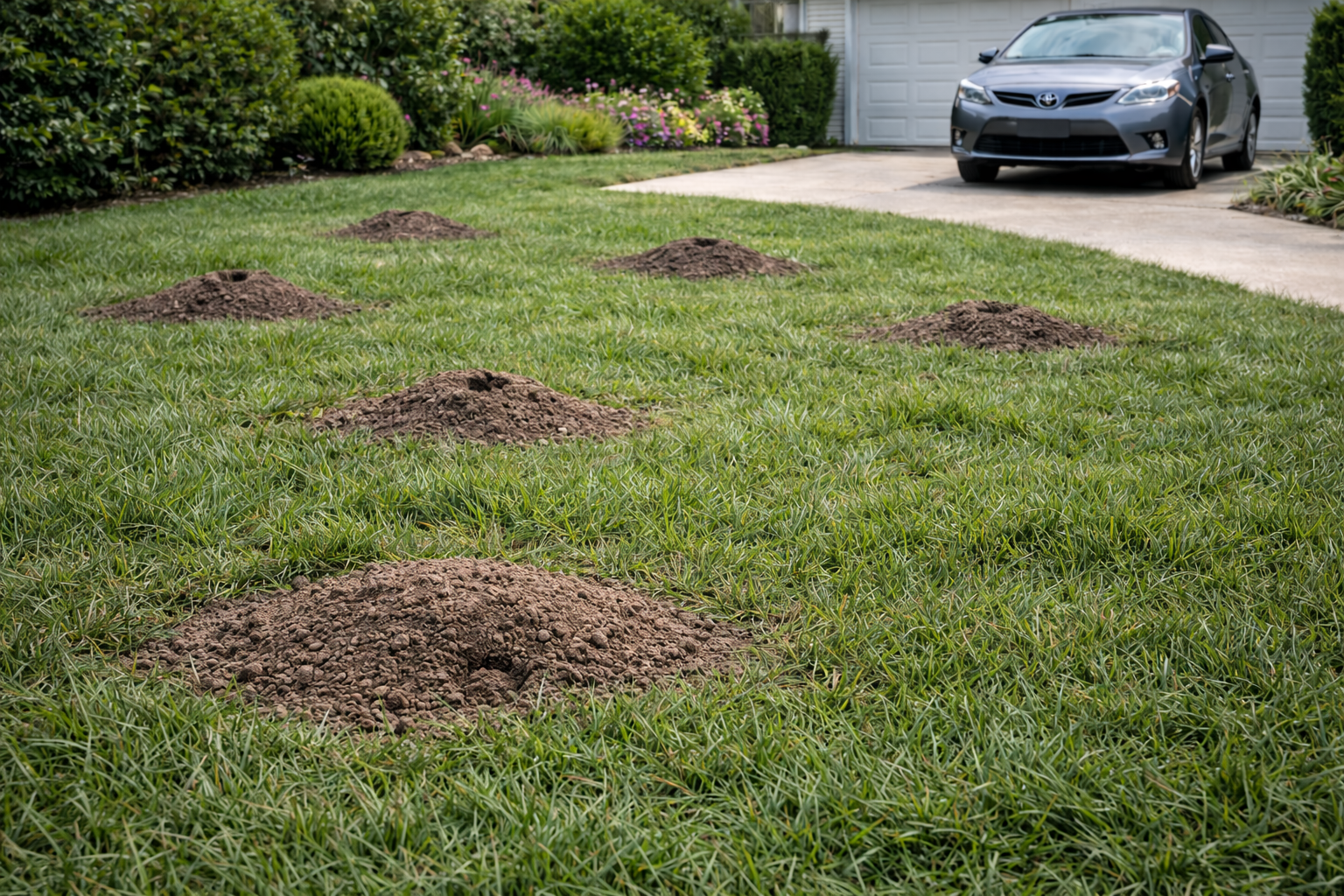
Gopher Activity in Sylmar, CA
Gophers are a persistent wildlife presence throughout Sylmar, a foothill community in the San Fernando Valley region of Los Angeles. Property owners in this area regularly encounter evidence of gopher tunneling systems beneath lawns, gardens, and landscaped spaces. Understanding the conditions that support gopher populations in Sylmar helps residents recognize why these burrowing rodents thrive in this particular environment.
Why Sylmar Has Significant Gopher Activity
Sylmar's geography and environmental conditions create an ideal habitat for gopher populations. The community sits at the northern edge of the San Fernando Valley, with elevation ranging from approximately 700 to 1,200 feet above sea level. This transitional zone between valley floor and the San Gabriel Mountains provides diverse soil types and moisture levels that gophers find favorable.
The soil composition in Sylmar varies significantly across different neighborhoods. Much of the area features sandy loam and clay loam soils typical of Los Angeles County's foothills. These soil types are relatively easy for gophers to excavate, allowing them to establish extensive tunnel networks with minimal energy expenditure. The presence of alluvial deposits from seasonal water runoff creates pockets of softer, more workable earth that gophers prefer.
Irrigation practices throughout Sylmar substantially increase gopher activity. Residential properties, parks, and landscaped commercial areas maintain year-round watering schedules, creating consistently moist soil conditions. This moisture makes soil easier to dig and attracts a greater abundance of plant roots and invertebrates—primary food sources for gophers. The contrast between irrigated yards and native chaparral areas outside property boundaries means gophers can access both cultivated food sources and natural habitat.
Sylmar's Mediterranean climate—characterized by warm, dry summers and mild winters with periodic rainfall—supports active gopher populations throughout the year. Winter rains from December through March soften the soil and trigger plant growth, directly correlating with increased gopher burrowing and feeding activity. Even during the area's dry season, irrigation systems maintain the soil conditions gophers require.
Common Gopher Species in Sylmar
The Botta's pocket gopher (Thomomys bottae) is the dominant gopher species found throughout Sylmar and the greater San Fernando Valley. This species is well-adapted to the varied terrain and climate conditions characteristic of Los Angeles County foothills.
Adult Botta's pocket gophers typically measure 5 to 7 inches in body length, with an additional 1 to 2 inches of short, nearly hairless tail. Their fur color varies from gray-brown to darker brown, providing effective camouflage in local soils. The species possesses distinctly small eyes and ears, reflecting their primarily subterranean lifestyle. Their front feet feature prominent digging claws—elongated and slightly curved—specialized for moving soil efficiently.
The pocket in their common name refers to external cheek pouches that extend from the face toward the shoulders. These pouches allow individual gophers to transport seeds, plant material, and food items through tunnel systems. The observable openings of these pouches appear as distinct outward-facing folds on the cheeks.
In Sylmar, Botta's pocket gophers occupy diverse habitats ranging from maintained residential yards to native coastal sage scrub and chaparral areas in the nearby foothills. They demonstrate flexibility in their food preferences, consuming roots, bulbs, and available vegetation depending on season and location. Individual gophers establish and defend tunnel territories, with tunnel systems often exceeding 500 feet in total length per animal. These solitary rodents typically interact with others only during breeding season, making gopher activity in a single yard likely attributable to one or two individuals rather than large colonies.
When Gopher Activity Peaks in Sylmar
Gopher activity in Sylmar follows predictable seasonal patterns aligned with the region's climate and breeding cycles. The most visible and intensive gopher activity occurs during late winter and spring months, typically from January through April.
This seasonal peak corresponds with Sylmar's wet season and gopher breeding period. January through March typically brings the area's most substantial rainfall, softening soil and making excavation easier. Simultaneously, gopher breeding season occurs during these months, with males expanding their territories in search of females and females preparing nesting chambers for upcoming litters. This combination of biological and environmental factors creates noticeable increases in fresh mounds, tunnel entrances, and overall burrowing activity across yards and landscaped properties.
Spring growth in Sylmar—triggered by winter moisture and warming temperatures—produces abundant fresh vegetation. Root growth accelerates, creating abundant food sources that support increased gopher feeding activity and population growth. Newly emergent plants from seeds and bulbs provide accessible nutrition throughout the spring season.
Activity remains moderate during summer and early fall months. While gophers continue tunneling and feeding year-round, reduced soil moisture and slower plant growth mean less visible surface evidence of their presence. Gophers may shift deeper into tunnel systems during the driest parts of summer, though irrigation in residential areas maintains accessible moist soil layers.
Fall season brings a secondary increase in activity as gophers prepare for winter by expanding food caches within their tunnel systems. This pre-winter intensification in late September through November produces noticeable new mounding activity, particularly in properties with landscape plantings containing bulbs, roots, and tubers.
Signs of Gopher Damage in Sylmar Yards
Identifying gopher activity begins with recognizing the characteristic signs these animals leave across Sylmar properties. Fresh gopher mounds represent the most obvious indicator of current activity. These mounds appear as raised, roughly circular piles of loose soil, typically 3 to 6 inches in diameter and 2 to 4 inches high. Unlike the volcano-shaped mounds created by moles, gopher mounds often feature an irregular plug of earth at the center where the animal has pushed soil upward from below.
The pattern and distribution of mounds across a property can indicate tunnel system extent. Gophers create mounds at irregular intervals along their tunnel networks, and observing multiple fresh mounds across a yard suggests an extensive underground system or multiple individuals. In Sylmar's typical residential settings, a single property might contain several hundred feet of tunnels supporting various burrow chambers.
Damage to irrigation infrastructure frequently occurs in Sylmar yards where gopher tunnels intersect with underground drip lines, soaker hoses, or lawn sprinkler systems. Gophers tunnel through these systems while excavating, and may also gnaw on plastic components, leading to leaks and reduced water delivery. Homeowners often notice water pooling in unexpected locations or areas receiving inadequate irrigation as indirect evidence of gopher-related system damage.
Plant damage appears as sudden wilting, yellowing, or death of ornamental plants, shrubs, and ground covers. Gophers damage plants through root consumption and by severing root systems while tunneling. In Sylmar's landscaped yards where ornamental plantings are common, gophers show particular preference for certain plants, including succulents, bulbs, and woody plant roots.
Surface runways—visible paths where vegetation is cleared or crushed—sometimes indicate active gopher movement, though these signs are less common than mounds or direct plant damage.
Landscape Considerations for Sylmar Properties
Sylmar's landscape character reflects both the area's foothill location and residents' choices in plantings and hardscape design. Understanding these landscape elements helps explain gopher distribution patterns and preferred feeding areas throughout the community.
Residential landscaping in Sylmar ranges from native xeriscape plantings featuring drought-resistant species to more traditional irrigated gardens with ornamental shrubs and lawns. The transition neighborhoods of Sylmar—those closest to San Fernando Valley floor areas—tend toward higher-maintenance landscape styles with regular irrigation. Properties in the foothills sections toward the north incorporate more native plants adapted to the area's Mediterranean climate, though even these plantings typically receive supplemental water during dry seasons.
Gophers demonstrate strong preferences for certain landscape plants common throughout Sylmar. Ornamental bulb plantings—including tulips, daffodils, and other spring bloomers popular in the area—attract intense gopher feeding activity. Root vegetables and garden beds containing carrots, sweet potatoes, or similar crops experience heavy gopher predation. Succulents and some woody shrubs commonly used in Sylmar landscapes also suffer significant damage from gopher feeding and tunneling.
Properties featuring extensive lawns experience visible mounding damage across the turf surface. Gophers tunnel through lawn systems throughout Sylmar, creating both direct visible damage through mounds and indirect damage through root consumption that weakens grass vigor. Native grass areas require less intensive gopher management than irrigated turf, as reduced soil moisture makes tunneling less efficient.
Hardscape elements—including pathways, patios, raised beds, and rock features—can reduce gopher accessibility to certain property areas. Gophers avoid dense hardscape but readily tunnel under shallow hardscape borders. The contrast between open garden beds and hardscaped areas influences gopher activity distribution across individual properties in Sylmar neighborhoods.
For professional gopher control in Southern California, visit Rodent Guys — serving Los Angeles, Orange, San Bernardino, and Riverside counties.