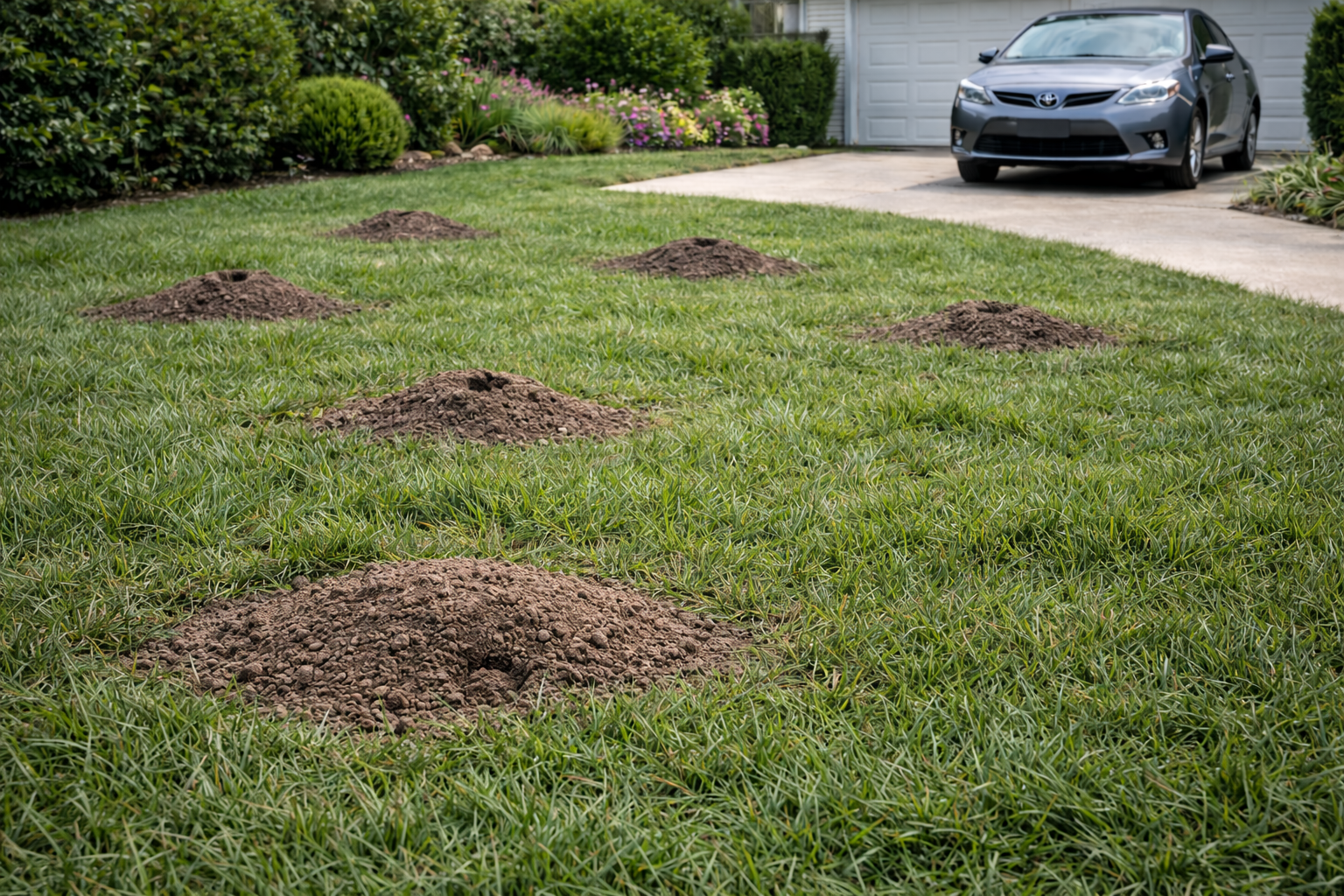
Gopher Activity in Tarzana, CA

Tarzana, located in the southwestern San Fernando Valley, experiences year-round gopher activity that poses considerable challenges for property owners with landscaped yards and gardens. The community's particular geography, soil composition, and proximity to undeveloped areas create ideal conditions for pocket gopher populations to thrive. Understanding why gophers concentrate in this region and how they behave seasonally helps residents recognize problems early and make informed decisions about property management.

Why Tarzana Has Significant Gopher Activity

Several interconnected environmental factors make Tarzana particularly attractive to pocket gopher populations. The underlying soil throughout the area consists primarily of sandy loam and alluvial deposits, which are ideal for burrowing. These soil types offer minimal resistance to tunneling and retain moisture in ways that support the vegetation gophers depend on for food. The San Fernando Valley's climate—characterized by hot, dry summers and mild winters—eliminates the severe cold periods that might suppress gopher populations in other regions.

Tarzana's extensive residential landscaping amplifies gopher habitat desirability. Most properties maintain ornamental gardens, turf lawns, and irrigation systems that keep soil conditions favorable even during drought periods. The tree-lined streets, parkways, and private yards create continuous corridors of soft, irrigated soil interrupted by hardscape. The proximity of Tarzana to the Santa Monica Mountains to the north and the larger open spaces of the San Fernando Valley provides a constant reservoir of gophers that migrate into developed areas seeking better food resources. Additionally, the region's Mediterranean climate supports year-round plant growth, ensuring consistent food availability that allows gopher colonies to remain active throughout all seasons.

Common Gopher Species in Tarzana

The Botta's pocket gopher (Thomomys bottae) represents the predominant gopher species found throughout Tarzana and the broader San Fernando Valley region. Adult Botta's pocket gophers typically measure six to eight inches in body length, with relatively small eyes and ears adapted for underground life. Their fur coloration ranges from light brown to nearly black, with individuals in the Tarzana area generally displaying medium-brown coats that blend with local soil conditions. The species derives its name from the external cheek pouches, or "pockets," which extend from the mouth to the shoulder and allow gophers to transport soil and food underground.

Botta's pocket gophers are solitary animals, with each individual maintaining and defending its own burrow system. A single gopher's tunnel network can extend 200 to 300 feet and reach depths of eighteen inches or more, depending on soil type and moisture availability. In Tarzana's sandy loam soils, gophers typically burrow shallower than they would in harder clay, often creating visible surface runways and mounds. The species is primarily herbivorous, feeding on roots, bulbs, tubers, and aboveground vegetation within reach of their burrow entrances. In residential Tarzana settings, gophers regularly damage ornamental plants, vegetables, and the irrigation systems that support them, making their presence immediately noticeable to property owners.

When Gopher Activity Peaks in Tarzana

Gopher activity in Tarzana follows a predictable seasonal pattern that corresponds to the San Fernando Valley's climate and reproductive cycles. Breeding activity begins in January and continues through March, as rising soil temperatures and slightly increased moisture trigger reproductive behavior. During these months, gophers become more active and visible as males seek mates, expanding tunnel systems and creating additional mounds. Property owners frequently report increased gopher presence during this period, and new damage becomes apparent as gophers tunnel through lawns and gardens preparing for offspring.

Spring rains, particularly when they occur between February and April, create temporary increases in gopher activity by softening soil and promoting vegetation growth. Following the spring rainy season, summer months typically bring slightly reduced visible activity as gophers retreat deeper into their burrows to access moisture and cooler temperatures. However, activity remains consistent beneath the surface, and continued lawn and garden damage occurs throughout summer months. Fall, particularly September through November, often brings renewed surface activity as soil temperatures moderate and vegetation remains accessible. Winter months in Tarzana rarely produce dormancy or hibernation in pocket gophers; instead, they continue feeding and tunneling throughout the year, though at potentially reduced rates during the coldest weeks of December and January when temperatures occasionally drop below freezing at night.

Signs of Gopher Damage in Tarzana Yards

Property owners in Tarzana can identify gopher presence through several distinctive signs visible in lawns and gardens. Fresh mounds of excavated soil represent the most obvious indicator; these mounds typically measure four to twelve inches in diameter and consist of loose, fine soil pushed to the surface. Mounds in Tarzana appear year-round but increase noticeably during wet periods when soil is easier to move. Unlike gophers, moles create ridge-like raised tunnels, but Tarzana's primary pest is the pocket gopher, which creates discrete mounds rather than continuous ridges.

Irrigation damage often accompanies gopher mounds in Tarzana's landscape-heavy properties. Drip lines, soaker hoses, and underground irrigation pipes face damage from gophers tunneling through them while moving through yards. Water pooling in unexpected areas or sudden drops in irrigation system pressure frequently indicate gopher damage to underground lines. In landscaped areas, dead or wilting plants arranged in irregular patterns suggest gopher feeding on roots beneath the soil surface. Ornamental trees and shrubs may decline suddenly after gophers sever roots or damage bark in their tunnels. Vegetable gardens suffer particularly obvious damage, with root crops like carrots, potatoes, and onions disappearing entirely, and transplanted vegetables dying shortly after being placed in the ground.

Landscape Considerations for Tarzana Properties

Tarzana's residential landscape aesthetic emphasizes trees, flowering shrubs, and maintained turf—plantings that require consistent irrigation and represent significant financial investments. Mediterranean climate-adapted species like California live oak, coast live oak, and various drought-tolerant shrubs dominate many properties, though water-demanding species remain common in ornamental gardens. The community's tree-lined streets and mature neighborhoods feature established specimens that, while generally resilient, become vulnerable to gopher damage during extended root system colonization. Most Tarzana properties combine soft landscape (irrigated planting areas) with hardscape elements including driveways, patios, and concrete pathways—the contrast between vegetated and hardscaped zones creates distinct gopher activity corridors.

Certain plants commonly found in Tarzana yards show particular vulnerability to gopher predation. Young fruit trees, roses, foxgloves, and other flowering plants with tender roots suffer severe damage. Conversely, established trees with deeper root systems and plants with tougher roots—such as citrus, avocado, and native California species—demonstrate greater resistance. Gophers demonstrate preferences for certain landscaping elements over others; newly planted areas with rich soil amendments and young, tender vegetation attract concentrated gopher populations. Drip irrigation systems, ubiquitous in Tarzana due to water conservation efforts, create persistent moisture corridors that gophers follow while tunneling. Understanding these landscape-gopher interactions helps Tarzana property owners anticipate where gopher damage will likely appear and consider management approaches during landscaping planning and maintenance decisions.