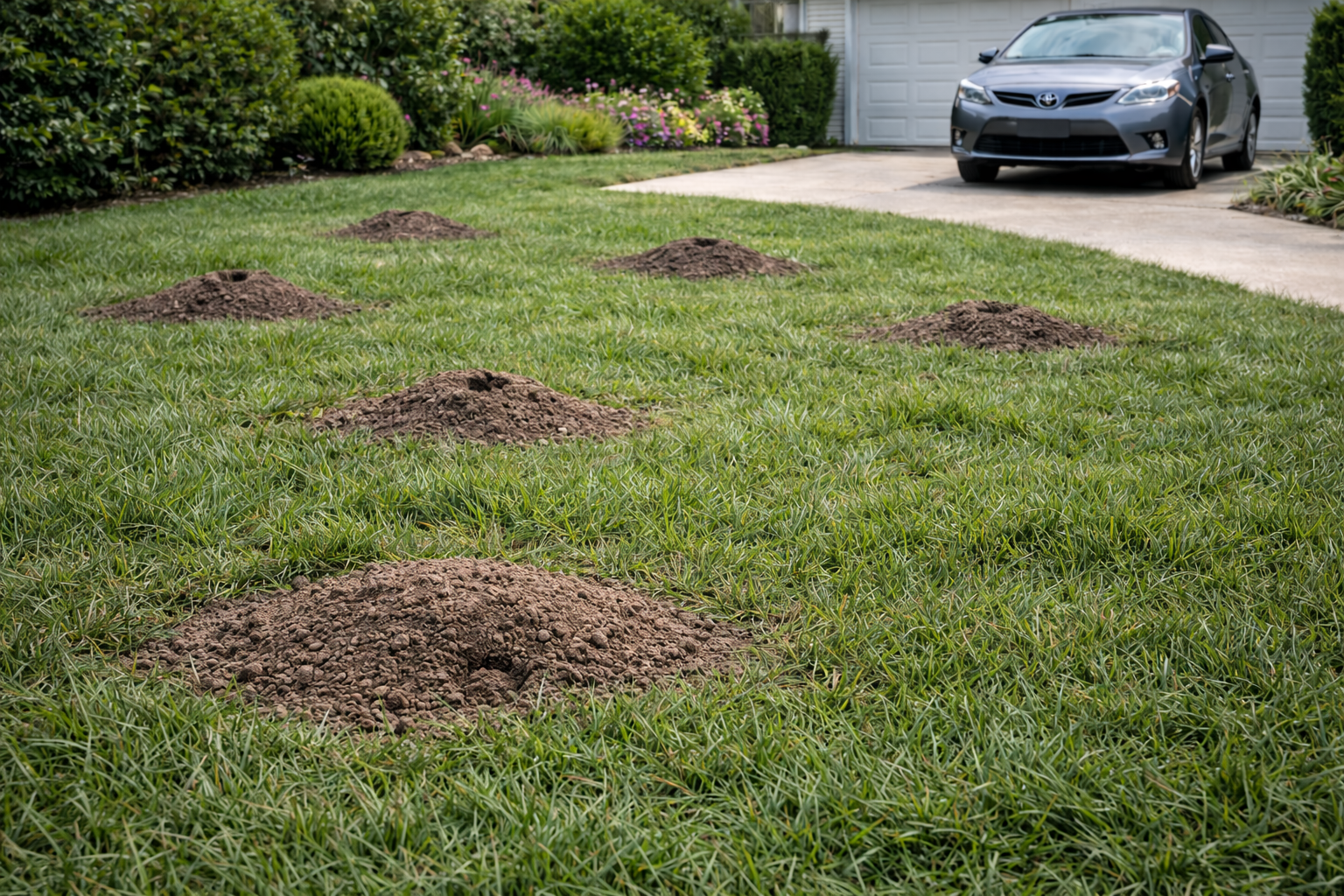
Gopher Activity in West Covina, CA
West Covina, located in the San Gabriel Valley of Los Angeles County, experiences consistent gopher activity throughout the year. The combination of the region's irrigated residential and commercial landscapes, favorable soil conditions, and moderate climate creates an environment where pocket gophers thrive. Residents and property managers in this community regularly encounter evidence of gopher burrowing in yards, gardens, and landscaped areas.
Why West Covina Has Significant Gopher Activity
West Covina's geography and environmental conditions make it particularly suitable for gopher populations. The San Gabriel Valley sits at an elevation between 300 and 600 feet above sea level, with soil composition that includes alluvial deposits from the San Gabriel River system. These soils are typically loamy and moderately compacted—ideal conditions for pocket gophers to excavate tunnel systems efficiently.
The region's extensive irrigation infrastructure compounds the gopher problem. Most residential properties in West Covina utilize lawn irrigation systems, which keep soil moist and workable year-round. This moisture level encourages gopher activity and makes burrowing less physically demanding. Additionally, West Covina's climate features mild winters with average lows around 45°F and warm summers averaging 85°F, allowing gophers to remain active even during cooler months when gophers in other regions may reduce activity.
The proximity of West Covina to undeveloped foothill areas and open spaces in the San Gabriel Valley provides a continuous source of gopher populations. As land development continues in the region, gophers from surrounding natural areas migrate into residential neighborhoods seeking established food sources and suitable soil conditions. The valley's agricultural history also means many properties contain fruit trees, vegetable gardens, and ornamental plantings that attract gophers searching for roots and tubers.
Common Gopher Species in West Covina
The primary gopher species found throughout West Covina is the Botta's pocket gopher, scientifically known as Thomomys bottae. This species is the most abundant pocket gopher across Southern California and the San Gabriel Valley region. Adult Botta's pocket gophers measure approximately 5 to 7 inches in body length, with relatively short tails extending another 1 to 1.5 inches. Their fur coloration ranges from dark brown to grayish-brown, with lighter-colored undersides.
Botta's pocket gophers possess several physical characteristics adapted for their burrowing lifestyle. Their front paws feature elongated claws, particularly on the third and fourth digits, which function as powerful digging tools. Their lips can close behind their protruding front teeth, allowing them to move soil without ingesting dirt while tunneling. Small eyes and ears positioned high on the head help protect these sensitive organs from debris during excavation.
These gophers inhabit the diverse landscape types found throughout West Covina, from residential yards and golf courses to parks and landscaped commercial properties. They prefer areas with adequate soil depth for burrowing and access to vegetation for food. In West Covina specifically, Botta's pocket gophers establish tunnel systems under lawns, garden beds, shrub plantings, and landscaped berms. The species is solitary by nature, with individual gophers defending territories that may span several hundred square feet depending on soil conditions and food availability.
When Gopher Activity Peaks in West Covina
Gopher activity in West Covina follows distinct seasonal patterns, though these animals remain active throughout the year. The primary breeding season extends from January through March, when gophers increase tunnel construction and surface activity while seeking mates. During this period, residents typically observe the most visible evidence of gopher presence as animals excavate fresh mounds and expand existing burrow systems.
Spring rains in West Covina, typically occurring between March and May, create additional seasonal peaks in gopher activity. Increased soil moisture from rainfall and spring irrigation makes the soil easier to work, and the subsequent flush of vegetation growth provides abundant food resources. This combination stimulates gopher tunneling and foraging behavior. Summer months bring continued activity, though the heat and potential drought conditions in West Covina can reduce surface activity as gophers tunnel deeper to access moisture and cooler soil.
Fall months, particularly September through November, show moderate gopher activity as temperatures cool and fall rains begin to moisten dry summer soil. Winter activity decreases somewhat compared to spring peaks but remains consistent because West Covina's mild climate prevents the dormancy that occurs in colder regions. The area's year-round irrigation of residential landscapes ensures soil remains workable even during drier months, sustaining gopher populations continuously. Property owners should expect gopher problems throughout all seasons, with heightened visibility during early spring months.
Signs of Gopher Damage in West Covina Yards
The most obvious indicator of gopher presence in West Covina properties is the appearance of characteristic mounds. Gopher mounds in this region typically measure 4 to 8 inches in diameter and 2 to 4 inches in height, though dimensions vary based on soil type and gopher size. Unlike mole mounds, which are symmetrical and cone-shaped, gopher mounds appear as crescent or fan-shaped accumulations of loose soil. The mound material itself may differ in color from surrounding soil, appearing lighter or darker depending on whether the gopher has excavated from deeper soil layers. Multiple mounds scattered across a yard indicate an established gopher population rather than isolated visitors.
Irrigation system damage represents another significant consequence of gopher activity in West Covina properties. Gophers regularly sever drip lines, soaker hoses, and underground irrigation pipes while tunneling. Property owners may notice sudden dry patches in otherwise well-irrigated areas, indicating severed water lines. Aboveground irrigation components may also show damage, with gophers chewing through exposed tubing and irrigation risers.
Plant damage from gophers manifests in several ways throughout West Covina yards. Gophers consume roots and tubers of susceptible plants, causing wilting, yellowing, and death even when aboveground portions appear undamaged. Fruit trees, nut trees, and ornamental shrubs frequently suffer root damage. Young trees sometimes topple as gophers undermine their root systems. Vegetable gardens experience damage to root crops including carrots, potatoes, and radishes. Lawn areas develop dead patches where gopher tunneling disrupts soil-to-root contact and damages grass roots.
Landscape Considerations for West Covina Properties
West Covina's landscape character reflects the San Gabriel Valley's typical Southern California aesthetic, featuring diverse property types from modest single-family homes to larger estates. Many properties incorporate a mix of hardscape and softscape elements including patios, walkways, decorative rock areas, and planted beds. The prevalence of water-wise landscaping efforts in West Covina, while environmentally beneficial, often creates ideal gopher habitat when irrigation remains in place. Mulched planting beds and bark dust groundcover, common in West Covina yards, attract gophers seeking cover and foraging opportunities.
Certain plants widely used in West Covina landscaping are particularly vulnerable to gopher damage. Citrus trees, including lemon, orange, and grapefruit varieties popular in the region's yards, suffer significant root damage from gopher activity. Deciduous fruit trees such as apricot and peach are also attractive to gophers. Ornamental shrubs commonly planted in West Covina yards, including photinia, privet, and ornamental grasses, experience gopher damage when animals tunnel beneath them. Flowering perennials such as roses and dahlias, often featured in West Covina gardens, become targets for gopher tunneling activity.
Properties with established turf grass lawns face particular challenges because irrigation systems that maintain these lawns provide the exact soil moisture conditions gophers prefer. West Covina properties transitioning to California native plant landscaping or xeriscape designs may reduce gopher attraction by limiting irrigation frequency. Hardscape elements including pavers, artificial turf, and decorative stone create barriers to gopher tunneling. However, maintaining scattered planted areas in West Covina yards necessitates continued vigilance for gopher activity regardless of overall landscape design philosophy.
For professional gopher control in Southern California, visit Rodent Guys — serving Los Angeles, Orange, San Bernardino, and Riverside counties.