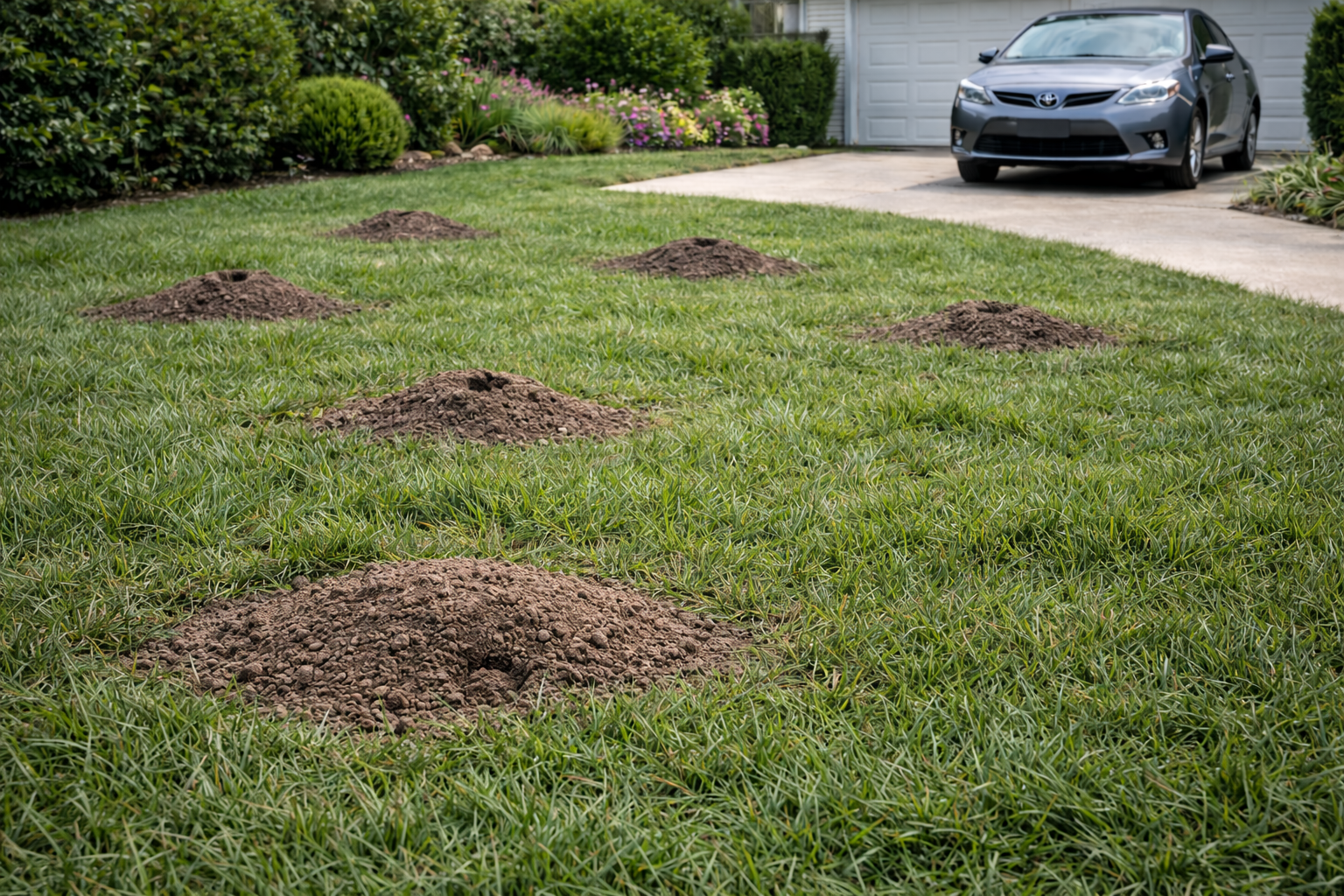
Gopher Activity in Westminster, CA

Gophers are a persistent presence throughout Westminster, California, a city in central Orange County bordered by Seal Beach to the south and Garden Grove to the north. The combination of residential irrigation systems, favorable soil composition, and suburban landscaping creates ideal conditions for pocket gopher populations to thrive in this area. Property owners across Westminster's neighborhoods regularly encounter evidence of gopher activity on their lawns and gardens.

Why Westminster Has Significant Gopher Activity

Westminster's geographic and environmental characteristics make it particularly suitable for gopher colonization and population growth. The city sits in Orange County's coastal plain, an area characterized by sandy loam and silty loam soils that are relatively easy for pocket gophers to excavate. These soil types, which predominate in much of Westminster's residential zones, require less energy expenditure for tunneling compared to clay-heavy or rocky soils found in nearby foothills.

The extensive irrigation infrastructure throughout Westminster's neighborhoods provides gophers with consistent moisture and lush vegetation. Residential sprinkler systems, common in area landscaping from the Sunset Lane area to Bolsa Chica neighborhoods, create the moist soil conditions that gophers prefer. Beyond irrigation, Westminster's Mediterranean climate—characterized by mild, wet winters and warm, dry summers—supports year-round gopher activity, though with seasonal intensity variations.

Westminster's proximity to undeveloped areas and natural open spaces, particularly near the Santa Ana River and coastal wetland preserves, means that gopher populations can migrate into residential neighborhoods from surrounding habitat. The city's relatively recent suburban development over formerly agricultural land means that many properties sit on territories historically used by gopher populations. Additionally, the mature landscaping in established Westminster neighborhoods, with large trees and varied plantings, provides abundant food sources that support resident gopher populations.

Common Gopher Species in Westminster

The Botta's pocket gopher (Thomomys bottae) is the primary gopher species found throughout Westminster and the broader Orange County region. Named for naturalist and explorer Francisco Javier Botta, this species is well-adapted to Southern California's environmental conditions. Adult Botta's pocket gophers typically measure 5 to 6 inches in body length, with an additional 1 to 1.5 inches of tail. Their fur coloration ranges from light brown to dark brown, with some individuals displaying reddish or grayish tints depending on local soil conditions.

Botta's pocket gophers possess distinctive external cheek pouches, which give the family its common name. These pouches extend from the mouth down the sides of the head and function as specialized compartments for transporting food and nesting materials through underground tunnel systems. The species has powerful forelimbs equipped with large claws, perfectly adapted for excavation through Westminster's sandy and silty soils.

Within Westminster proper, Botta's pocket gophers occupy both actively cultivated residential yards and less-maintained vacant or transitional properties. They prefer areas with established vegetation, whether ornamental landscaping, garden plantings, or native growth near open spaces. Unlike some other rodent species, Botta's pocket gophers are primarily solitary animals, with individual gophers maintaining and defending separate burrow systems. This behavior means that multiple distinct gopher populations may exist across a single neighborhood or even within adjacent properties, each inhabiting separate tunnel networks.

When Gopher Activity Peaks in Westminster

Gopher activity in Westminster follows predictable seasonal patterns linked to breeding cycles and environmental conditions. The primary breeding season extends from January through March, during which males actively search for mates and expand their tunnel systems. This period typically coincides with Westminster's rainy season, when soil moisture increases and makes excavation easier. Property owners often observe elevated mound-building activity during these months as gophers both breed and respond to soil conditions favorable for tunneling.

Spring rains, which Westminster receives primarily between January and April, create periods of intense gopher activity. Saturated soils are easier to move and excavate, allowing gophers to expand their territories efficiently. As spring transitions to summer and irrigation systems activate across Westminster neighborhoods, consistent moisture from sprinkler systems sustains gopher populations through the otherwise dry season.

Summer activity remains significant but may show slight reductions in new mound construction during the hottest months of July and August, when gophers spend more time in deeper, cooler portions of their burrow systems. Fall months (September through November) see resumed surface activity as temperatures moderate and plants generate new growth. Winter activity continues but varies with rainfall patterns; extended dry periods slow tunneling, while rain events trigger renewed burrowing. Understanding these seasonal patterns helps Westminster residents anticipate when gopher problems may require attention.

Signs of Gopher Damage in Westminster Yards

The most visible indicator of gopher presence is the characteristic mound of soil that appears on the surface. Westminster homeowners typically observe crescent or fan-shaped mounds of fine, loose earth scattered across their lawns and garden beds. These mounds result from gophers pushing excavated soil upward through lateral tunnels to the surface. The size and shape vary, but mounds are generally 4 to 8 inches in diameter and several inches high. Unlike mole tunnels, which create raised ridges across lawns, gopher mounds are discrete piles of soil pushed to the surface.

Subsurface tunnel systems cause secondary damage often more costly than the mounds themselves. Gopher tunnels undermine irrigation lines running beneath Westminster yards, creating leaks that waste water and damage expensive drip irrigation systems. These underground passages also destabilize soil beneath hardscaping, causing settling and cracking in patios and walkways. Property owners frequently discover that once-level concrete pathways have become uneven due to soil collapse in gopher burrows underneath.

Plant damage from gopher feeding is particularly evident in Westminster vegetable gardens and ornamental plantings. Gophers clip plant roots from below the soil surface, often severing entire root systems and causing sudden plant wilting and death. Young trees and shrubs in Westminster neighborhoods are especially vulnerable; gophers may girdle roots just below the soil surface or consume bark from the root crown. Above-ground symptoms include yellowing foliage, stunted growth, and unexpected plant death despite adequate water and sunlight.

Landscape Considerations for Westminster Properties

Westminster's residential landscape aesthetic emphasizes green, irrigated yards featuring drought-tolerant ornamentals combined with traditional turf grass. This landscaping approach, common throughout central Orange County, inadvertently supports gopher populations by providing both moisture and abundant plant material for food. The prevalence of shallow-rooted shrubs like Texas privet, which requires regular irrigation and lines many Westminster properties, presents easy feeding opportunities for pocket gophers that can reach roots just beneath the soil surface.

Certain plants favored in Westminster landscaping are particularly vulnerable to gopher damage. Newly planted trees and shrubs, which many residents install in the spring to take advantage of winter moisture, face high predation risk from gophers seeking tender bark and growing root tips. Vegetable gardens, popular in Westminster's residential neighborhoods, attract gopher populations; burrowing naturally concentrates gophers in cultivated areas where soil is regularly worked and plants are tender.

Properties with extensive softscape—areas of lawn, planted beds, and cultivated vegetation—provide more habitat and food resources for gophers than those with greater hardscape elements. Westminster homes with large covered patios, substantial concrete driveways, and minimal ornamental plantings naturally host fewer gophers than adjacent properties with expansive gardens and irrigated lawns. However, even modest landscaping can support gopher populations given Westminster's environmental conditions and proximity to regional gopher habitat. Understanding how landscape design influences gopher presence helps Westminster property owners make informed decisions about yard layout and planting choices.