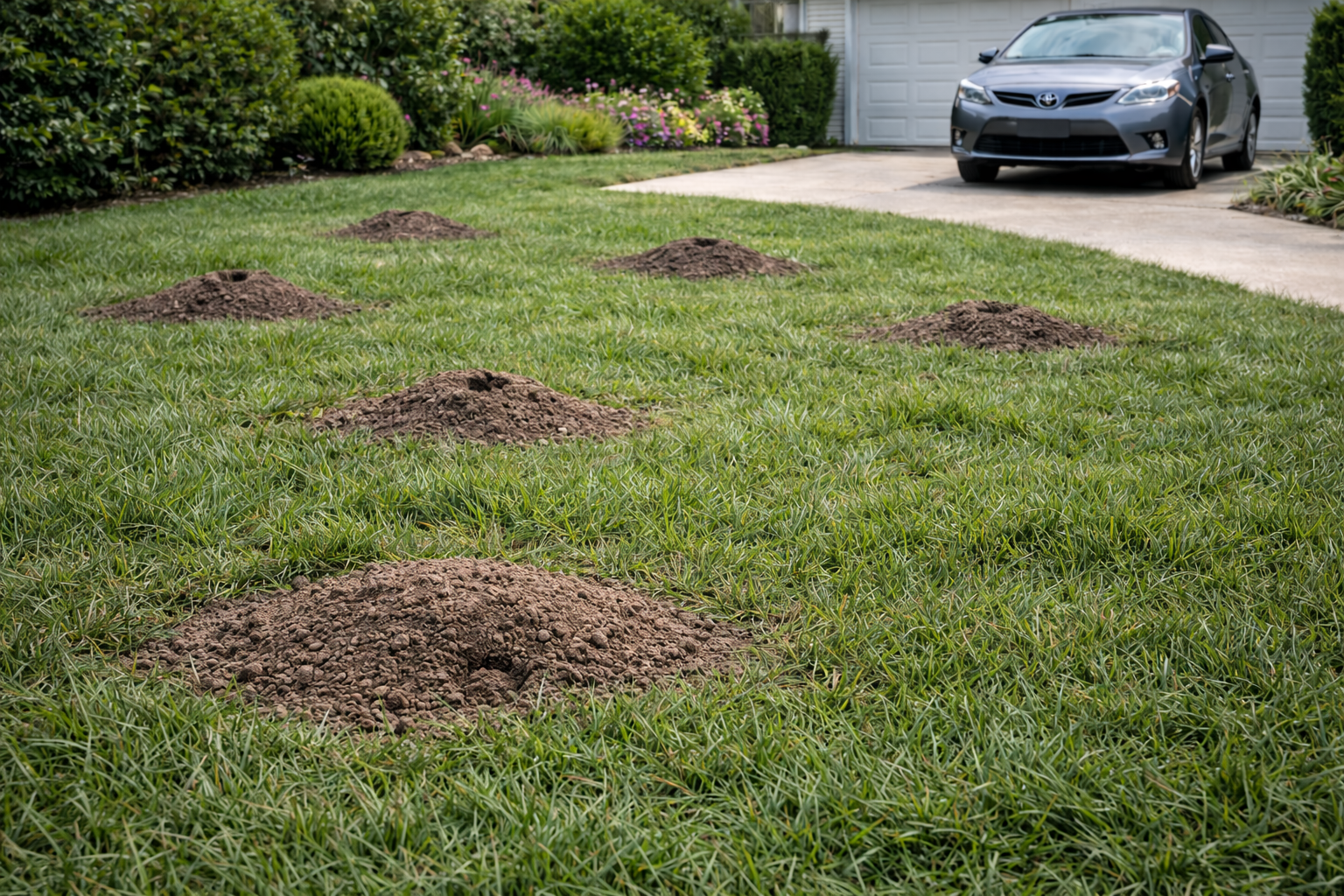
Gopher Activity in Yucaipa, CA
Yucaipa, located in San Bernardino County along California State Route 38, experiences consistent gopher activity throughout the year. The combination of the town's elevation, irrigation infrastructure, and proximity to undeveloped foothill terrain creates ideal conditions for pocket gophers to establish burrow systems across both residential and agricultural properties. Understanding gopher behavior in this specific region helps property owners recognize signs of infestation early.
Why Yucaipa Has Significant Gopher Activity
Yucaipa's geography and climate create a particularly suitable environment for gopher populations. The town sits at approximately 2,600 feet elevation in the foothills transitioning toward the San Bernardino Mountains, with soil composition varying from sandy loam to clay-heavy substrates depending on location within the community. These soil types, especially the moderately compacted clay-loam found in many residential neighborhoods, provide ideal burrowing conditions—soft enough for tunneling but stable enough for tunnel walls to maintain integrity.
The region receives approximately 20 inches of annual rainfall, with the majority falling between November and March. This seasonal moisture pattern is crucial to gopher activity. Winter and early spring rains soften the soil, making excavation easier and increasing vegetation growth that provides food sources. During these months, gophers exhibit heightened activity as they expand tunnel systems and feed on newly sprouted plants.
Yucaipa's reliance on imported water for landscaping and agriculture further supports gopher populations. Residential properties throughout neighborhoods such as Oak Glen and the areas surrounding Crafton Circle Park utilize irrigation systems that maintain soil moisture year-round—conditions gophers actively seek. The proximity to undeveloped land in the San Bernardino Mountains provides a continuous wildlife corridor, allowing gophers to migrate into developed areas as they expand their range.
Common Gopher Species in Yucaipa
The Botta's pocket gopher (Thomomys bottae) is the primary gopher species found throughout Yucaipa and the surrounding San Bernardino County foothills. This species is identified by its stocky body, measuring approximately 5 to 6 inches in head-body length, with dark brown to blackish fur and characteristically small eyes adapted to underground life. The animal's most distinctive feature is the presence of external fur-lined cheek pouches, which inspired the common name "pocket gopher." These pouches extend from the mouth to the hips and serve as portable storage for food items the gopher collects during foraging.
Botta's pocket gophers are solitary, territorial animals that spend the vast majority of their lives beneath the soil surface. Each gopher maintains its own tunnel system, which can span hundreds of feet depending on food availability and soil conditions. In Yucaipa's varied terrain, established tunnel networks may extend across multiple property lines, particularly in areas with consistent irrigation and vegetation.
These gophers possess powerful front limbs with long claws specialized for digging, and their incisors grow continuously throughout their lives. Unlike some rodent species, Botta's pocket gophers are active throughout the day and night, though they do not hibernate. In Yucaipa's temperate foothill climate, gophers remain active year-round, making periodic control efforts necessary across all seasons.
When Gopher Activity Peaks in Yucaipa
Gopher activity in Yucaipa follows predictable seasonal patterns tied closely to local rainfall and plant growth cycles. The breeding season runs from January through March, during which male gophers become increasingly active searching for mates. This period coincides with Yucaipa's peak rainfall months, when soil moisture allows easier tunnel expansion and fresh vegetation emerges, providing abundant food sources. Homeowners often observe the most visible evidence of gopher presence—fresh mounds of excavated soil—during late winter and early spring.
As temperatures warm from April through June, gopher activity remains high due to continued vegetation growth and established tunnel systems. The dry season from July through September presents a temporary decline in visible surface activity, though gophers continue tunneling below the surface in search of moisture and deeper root systems. Fall months bring renewed activity as soil begins retaining moisture from occasional rains and dormant-season plants prepare for growth.
Secondary peaks occur in fall, particularly September through November, when juvenile gophers disperse to establish their own territories. This dispersal behavior, combined with increased soil-working to prepare for winter conditions, results in noticeable mounding activity across properties. Understanding these seasonal peaks helps property owners anticipate when monitoring efforts should intensify.
Signs of Gopher Damage in Yucaipa Yards
The most obvious indicator of gopher presence is the characteristic mound of fresh soil appearing in yards and landscaped areas. Gopher mounds in Yucaipa properties typically measure 6 to 12 inches in diameter and 2 to 4 inches in height, though larger mounds are not uncommon in areas with clay-heavy soil. Fresh mounds appear relatively uniform in color and texture, distinguishing them from aged mounds that have weathered and become compacted. Unlike moles, gophers create crescent-shaped mounds rather than volcano-shaped ones, as they push soil sideways from their tunnel entrances.
Damage to irrigation systems represents another significant concern for Yucaipa property owners. Gopher tunnels frequently intersect with drip lines, soaker hoses, and underground irrigation pipes. When gophers navigate around these obstacles or when their tunnels collapse near them, water leaks develop that waste resources and create soft zones attractive to further burrowing. Sudden wet patches in yards despite normal irrigation cycles often indicate underground damage from gopher activity.
Plant damage occurs both above and below ground. Surface-feeding gophers consume young plant shoots, clover, and tender growth from flower beds and vegetable gardens. More significantly, gophers strip bark from plant roots and bulbs while tunneling, effectively girdling roots and causing plant decline or death. In Yucaipa's common landscape plantings featuring ornamental shrubs, fruit trees, and native plants, root damage often becomes apparent only when plants begin wilting despite adequate water.
Landscape Considerations for Yucaipa Properties
Yucaipa properties feature diverse landscaping reflecting both the region's Mediterranean climate and varying property owner preferences. Many established homes maintain traditional Southern California landscapes with established fruit and shade trees—almonds, citrus, oaks, and pines—interspersed with native and drought-tolerant ornamental plants. Homes in newer developments and the Wildrose area often feature more formal landscaping with turf, evergreen shrubs, and extensive irrigation infrastructure. These varied landscape types present different vulnerability levels to gopher damage.
Fruit trees and nut trees particularly common to Yucaipa properties face significant gopher pressure. Young citrus, almond, and walnut trees remain highly susceptible to root damage and complete girdling when gophers tunnel through root zones. Established trees may survive individual encounters but can be weakened progressively by repeated gopher activity across multiple seasons. The irrigation systems supporting these trees create the moist conditions gophers actively seek.
Properties balancing turf areas with hardscape elements—patios, walkways, and gravel zones—provide gopher-resistant landscape design. While no landscape is completely gopher-proof, areas with minimal soil coverage and reduced irrigation demands offer fewer attractions to burrowing rodents. Native drought-tolerant plantings, when properly established without supplemental irrigation, generally experience less gopher pressure than irrigated ornamental gardens. However, Yucaipa's summer dryness and winter precipitation patterns mean most properties require supplemental water, which inherently creates conditions suitable for gopher colonization.
For professional gopher control in Southern California, visit Rodent Guys — serving Los Angeles, Orange, San Bernardino, and Riverside counties.