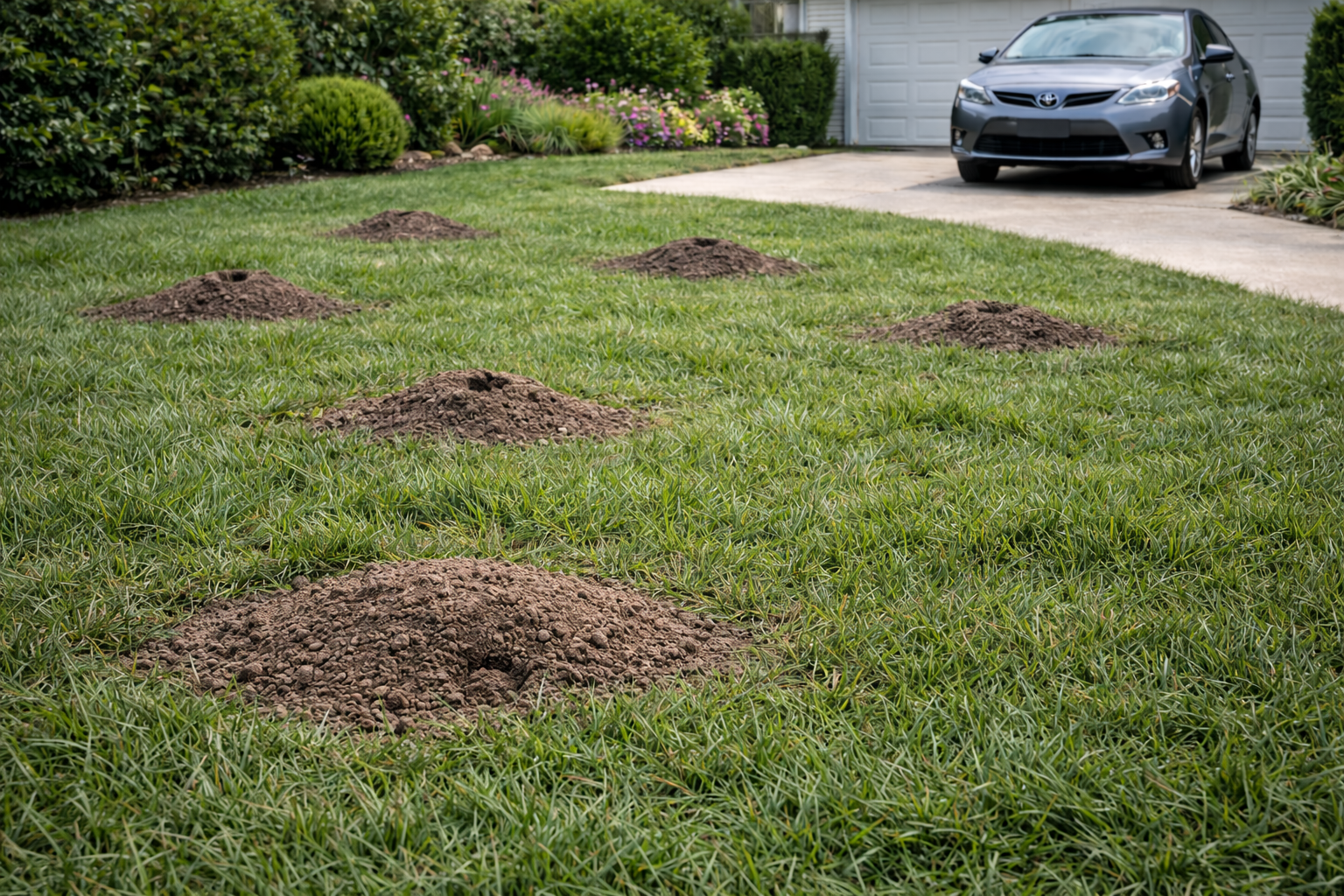
Gopher Activity in Pacific Palisades, CA

Pacific Palisades, situated on the bluffs above the Pacific Ocean in western Los Angeles, experiences consistent gopher pressure throughout its residential neighborhoods and open spaces. The combination of well-irrigated properties, favorable soil conditions, and proximity to native habitat makes this community particularly susceptible to pocket gopher colonization. Understanding gopher behavior and seasonal patterns is essential for Pacific Palisades property owners who wish to protect their landscaping investments.

Why Pacific Palisades Has Significant Gopher Activity

Several environmental and geographic factors converge to create ideal conditions for gopher populations in Pacific Palisades. The community sits on elevated terrain characterized by clay loam and silty loam soils that are relatively easy for burrowing mammals to excavate. Unlike harder, rocky soils found in some surrounding areas, Pacific Palisades' soil composition allows gophers to establish extensive tunnel systems with minimal energy expenditure.

The residential landscape of Pacific Palisades features abundant irrigated lawns, gardens, and ornamental plantings that depend on consistent watering throughout the year. This artificial moisture regime mirrors conditions gophers prefer in their native habitats, softening the soil and promoting the growth of tender roots and bulbs that constitute their primary food sources. Property owners maintaining lush green spaces inadvertently cultivate feeding grounds for local gopher populations.

Pacific Palisades' Mediterranean climate—characterized by mild, wet winters and dry summers—supports year-round gopher activity. The winter and spring months, particularly January through March, bring precipitation that increases soil moisture and triggers breeding behavior. The area's proximity to the Santa Monica Mountains and various open spaces provides refuge populations that continuously recolonize residential properties. Additionally, the community's tree-lined streets and mature landscaping offer natural corridors for gopher dispersal throughout neighborhoods.

Common Gopher Species in Pacific Palisades

The Botta's pocket gopher, scientifically designated as Thomomys bottae, is the primary gopher species affecting Pacific Palisades properties. This rodent is medium-sized, typically weighing between 2 and 4 ounces and measuring 6 to 8 inches in body length. Botta's pocket gophers possess stocky frames, powerful forelimbs equipped with long claws adapted for digging, and small external ears that minimize soil entry during tunneling activities.

The species derives its common name from the distinctive fur-lined cheek pouches located on either side of the mouth, which gophers use to transport food and nesting materials throughout their burrow systems. Coloration varies from light brown to nearly black, though Pacific Palisades populations typically display medium brown or grayish-brown pelage. Their eyes are small but functional, and their teeth grow continuously throughout life, requiring constant gnawing on roots, bulbs, and plant matter to maintain manageable length.

Botta's pocket gophers are solitary, territorial creatures that spend the majority of their lives underground within elaborately constructed burrow networks. A single gopher may maintain a tunnel system extending several hundred feet, with multiple chambers dedicated to nesting, food storage, and waste elimination. These rodents do not hibernate and remain active year-round, though their tunneling intensity and surface activity fluctuate with seasons and soil moisture levels. Their presence in Pacific Palisades is nearly ubiquitous across suitable habitat, from hillside properties to flatland neighborhoods.

When Gopher Activity Peaks in Pacific Palisades

Gopher activity in Pacific Palisades follows distinct seasonal patterns influenced by local precipitation patterns and breeding cycles. The breeding season extends from January through March, coinciding with increased moisture from winter rainfall and photoperiod changes that trigger reproductive behavior. During this three-month window, male gophers become more active and aggressive as they seek mates, resulting in increased tunneling and surface mounding activity. Property owners frequently notice new mounds appearing during late winter and early spring months.

Spring months, particularly March through May, witness peak gopher activity as newly emerged juveniles establish independent territories and expand burrow systems. The combination of warm temperatures, adequate soil moisture from seasonal rainfall, and abundant fresh vegetation creates optimal feeding conditions. This period represents the most visible manifestation of gopher presence for Pacific Palisades residents, as soil disturbance and plant damage become conspicuous.

Summer activity typically diminishes as soil moisture decreases and irrigation becomes the primary water source. However, well-maintained properties with established irrigation systems sustain active gopher populations throughout summer months. Fall brings moderate activity levels as gophers prepare for winter by accumulating food stores and modifying burrow systems. Winter activity remains variable—heavy rainfall increases burrowing intensity, while dry winters see reduced surface activity even as underground populations persist. Understanding these seasonal patterns helps property owners anticipate vulnerability periods and monitor their landscapes accordingly.

Signs of Gopher Damage in Pacific Palisades Yards

Gopher presence in Pacific Palisades yards manifests through several distinctive and recognizable signs. The most obvious indicator is the appearance of fresh mounds—crescent or horseshoe-shaped accumulations of excavated soil scattered across lawns and garden beds. These mounds vary in size from 3 to 6 inches in diameter and represent soil displaced during tunnel construction. Multiple mounds appearing simultaneously across a property suggest active current burrowing rather than historical occupation.

Damage to underground irrigation systems frequently accompanies gopher activity in Pacific Palisades properties. As gophers tunnel near drip lines, soaker hoses, and buried irrigation pipes, they inadvertently rupture systems or create access points for water leakage. Property owners discover soft, waterlogged patches in lawns that correspond to damaged irrigation lines. Sudden declines in water pressure or unexpected increases in water bills may indicate gopher-related line damage before surface symptoms become apparent.

Plant damage represents another critical sign of gopher presence. These rodents consume roots, bulbs, and underground portions of ornamental plants, causing sudden wilting or death of affected vegetation. Herbaceous plants may simply disappear below ground level as gophers consume entire plants from below. Woody plants and shrubs may exhibit gnawed roots when excavated for inspection. Vegetable gardens prove particularly vulnerable, with gophers consuming newly planted seeds, young transplants, and mature root crops. Selective damage to certain plant species helps confirm gopher activity, as they demonstrate clear preferences for particular genera.

Landscape Considerations for Pacific Palisades Properties

Pacific Palisades residential landscapes typically feature Mediterranean-style plantings that reflect the region's climate and aesthetic preferences. Many properties showcase drought-tolerant plants once established, including California native species, Mediterranean imports, and other adapted ornamentals. This landscaping philosophy creates a tension with gopher management—the very plants that thrive in Pacific Palisades conditions often possess tender bulbs or accessible root systems that attract gophers.

Properties relying heavily on softscape elements—lawns, planted beds, and traditional gardens—face greater gopher vulnerability than those emphasizing hardscape features. Mature trees and large shrubs may survive gopher root damage despite tunneling activities, whereas young plants and tender perennials suffer mortality. The prevalence of irrigated lawns in Pacific Palisades neighborhoods creates particularly attractive gopher habitat, as maintained turf represents reliable food sources and easy tunneling substrate.

Popular Pacific Palisades plants vulnerable to gopher damage include ornamental bulbs such as daffodils, tulips, and lilies; root vegetables including carrots and sweet potatoes; herbaceous perennials with succulent rhizomes; and young trees and shrubs during establishment phases. Conversely, gophers exhibit reduced interest in many ornamental grasses, established woody plants with thick bark, and plants with toxic or distasteful foliage. Property owners can incorporate plant selection strategies that reduce gopher attractiveness while maintaining aesthetic landscape goals. Hardscape elements—pathways, patios, retaining walls, and structures—effectively exclude gophers from specific zones and create barriers that redirect tunneling activity. The challenge for Pacific Palisades residents involves balancing attractive, functional landscaping with practical gopher management considerations.