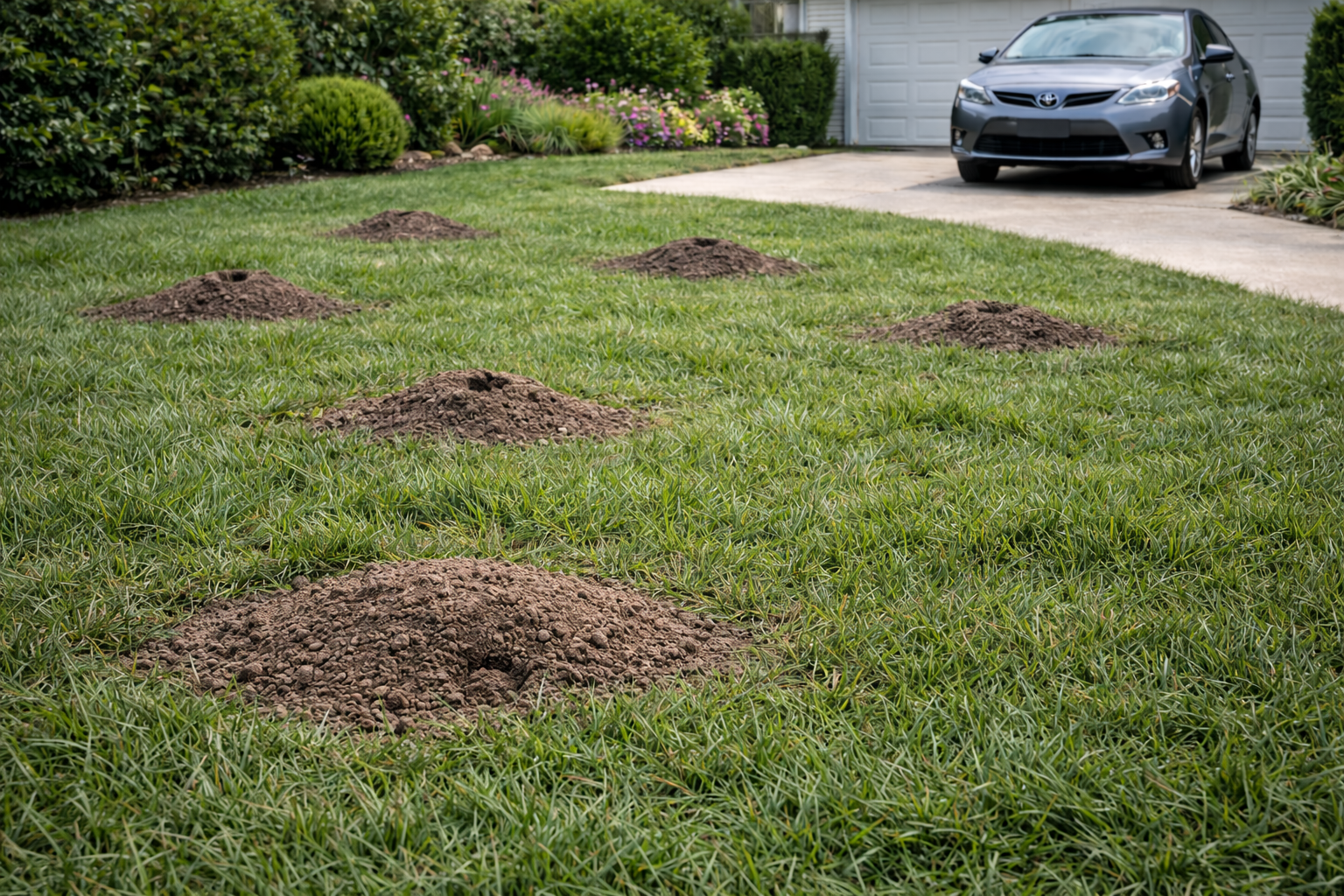
Gopher Activity in Pacoima, CA
Pacoima, a neighborhood in the northern San Fernando Valley region of Los Angeles, experiences consistent and significant gopher activity throughout the year. The presence of pocket gophers in residential yards, community gardens, and landscaped areas represents a common environmental reality for property owners in this area. Understanding gopher behavior and seasonal patterns specific to Pacoima's geography helps residents recognize and anticipate pest activity on their properties.
Why Pacoima Has Significant Gopher Activity
Pacoima's location in the San Fernando Valley creates ideal conditions for pocket gopher populations. The area sits at approximately 700–1,000 feet elevation, positioned between the San Gabriel Mountains to the northeast and the Santa Susana Mountains to the northwest. This valley geography traps moisture and contributes to the region's Mediterranean climate pattern—mild, wet winters and hot, dry summers.
The soil composition throughout Pacoima consists primarily of alluvial deposits and clay-loam mixtures that are relatively easy for gophers to excavate. These soils, derived from mountain runoff over millennia, provide excellent burrowing conditions compared to harder, more compacted substrates found in other parts of Southern California. The San Fernando Valley's irrigation infrastructure, developed extensively during the 20th century for agriculture and residential landscaping, creates abundant water sources that keep soils moist and workable during the dry season.
Pacoima's proximity to undeveloped foothill areas and protected open spaces like the Santa Susana Pass State Historic Park provides a continuous reservoir of wild gopher populations. Gophers naturally disperse from these wild areas into residential neighborhoods, particularly during spring months when populations expand and young gophers establish new territories. The combination of suitable soil, consistent water availability through landscape irrigation, and abundant food sources in ornamental plantings makes Pacoima particularly attractive to pocket gophers seeking to establish burrow systems.
Common Gopher Species in Pacoima
The Botta's pocket gopher (Thomomys bottae) represents the primary gopher species active in Pacoima and throughout the San Fernando Valley region. This medium-sized rodent typically weighs between 4 and 8 ounces, with a body length of approximately 5 to 6 inches, plus a shorter tail. Botta's pocket gophers display brown to grayish-brown fur coloration, with darker coloration common in individuals inhabiting the sandy, volcanic soils found in certain Pacoima neighborhoods.
The species derives its common name from the distinctive fur-lined external cheek pouches, or "pockets," that extend from the animal's mouth back along its cheeks. These pouches serve as transport mechanisms for food and nesting materials as gophers navigate their tunnel systems. Botta's pocket gophers possess powerful forelimbs with robust claws specifically adapted for digging, allowing them to excavate and maintain extensive underground burrow networks.
In Pacoima, these gophers inhabit a wide range of environments, from established residential neighborhoods with mature landscaping to newer developments with recently planted gardens. They thrive equally well in areas with deep topsoil and in locations with shallower soil layers over bedrock. Botta's pocket gophers show particular preference for properties with regular irrigation, as the consistent soil moisture required for tunnel maintenance and stability becomes more readily available in landscaped yards compared to adjacent undeveloped areas.
When Gopher Activity Peaks in Pacoima
Gopher activity in Pacoima follows distinct seasonal patterns driven by the local climate and reproductive cycles. The breeding season extends from January through March, coinciding with Southern California's winter-to-spring transition period. During these months, males actively search for females, expanding their tunnel networks and creating numerous surface burrows and mounds as they traverse greater distances than during other seasons.
Spring rainfall, typically occurring between December and April in the San Fernando Valley, enhances gopher activity by keeping soils at optimal moisture levels for tunnel maintenance. The increased soil workability following seasonal rains encourages both breeding-related movement and the general expansion of existing tunnel systems. Property owners in Pacoima frequently observe peak mound appearance during February and March, when accumulated winter rainfall combines with breeding season activity to produce the most visible evidence of gopher presence.
Summer activity, despite warmer temperatures and reduced rainfall, remains significant as newly independent juvenile gophers from spring litters establish their own territories. Late spring and early summer, roughly May through June, sees increased dispersal activity as young gophers move away from parental burrow systems. Fall months bring a general reduction in surface activity as gophers spend more time deep within established burrows preparing food caches for winter. Year-round activity does occur, however, and tunneling often continues beneath the surface even during periods when surface mounds appear less frequently.
Signs of Gopher Damage in Pacoima Yards
Surface mounds represent the most obvious and characteristic sign of gopher activity in Pacoima properties. These mounds, typically 4 to 6 inches in height and 8 to 12 inches in diameter, consist of excavated soil pushed upward as gophers expand their tunnel networks. Unlike moles, which create ridge-like raised tunnels, gophers produce discrete, somewhat conical mounds distributed across the yard. The soil composition of these mounds matches the surrounding yard soil, and gophers often plug burrow entrances with soil, leaving no visible opening at the mound's apex.
Irrigation damage frequently accompanies gopher activity in Pacoima's extensively landscaped properties. Gopher tunnels can sever drip lines, soaker hoses, and underground irrigation pipes, leading to water pressure loss and localized dry spots in affected yard sections. Observant property owners may notice patches of wilting plants despite adequate irrigation, or unusually wet soil in areas where tunnel collapses have disrupted water distribution systems.
Plant damage manifests in multiple ways throughout Pacoima yards. Gophers girdle tree roots and consume woody shrub roots, causing unexpected plant decline or death. Young trees and newly planted shrubs prove particularly vulnerable, as their smaller root systems cannot sustain extensive gnawing damage. Herbaceous plants, vegetables, and ornamental flowers often disappear entirely, pulled underground through gopher burrows into the animals' chambers where they're consumed. Property owners may discover plants uprooted or find gaps in vegetable gardens where mature plants previously stood, with soil-filled tunnels visible at the excavation site.
Landscape Considerations for Pacoima Properties
Pacoima's residential landscaping reflects diverse styles influenced by the neighborhood's demographic character and the San Fernando Valley's horticultural traditions. Many established properties feature drought-tolerant Mediterranean-style plantings, including ornamental grasses, salvias, and drought-resistant shrubs suited to the valley's hot, dry summers. Newer developments increasingly incorporate California native plants such as California buckwheat, toyon, and coyote brush. Simultaneously, traditional valley landscaping continues with fruit trees, standard ornamental shrubs, and vegetable gardens that require consistent irrigation.
The contrast between hardscape and softscape features influences gopher activity patterns. Properties with extensive concrete patios, stone walkways, and similar hardscape elements tend to experience less gopher activity in those specific zones, as gophers cannot burrow through solid surfaces. However, hardscaping often surrounds the perimeter of irrigation systems and foundation plantings, areas where gophers frequently establish tunnel networks. Tree wells and planted areas adjacent to houses provide ideal gopher habitat despite surrounding hardscape.
Plant vulnerability to gopher damage varies significantly among species common to Pacoima landscaping. Citrus trees, stone fruit trees, and ornamental fruit-bearing plants suffer substantial root damage from gopher activity. Roses, a traditional San Fernando Valley favorite, face both root damage and stem damage from gophers working through surrounding soil. Vegetable gardens consistently attract gopher feeding activity, with particular preference for root crops including carrots, potatoes, and turnips. Conversely, established trees with extensive, deep root systems—such as mature oaks, sycamores, and California pepper trees—generally tolerate moderate gopher activity more successfully than smaller plants or newly planted specimens.
For professional gopher control in Southern California, visit Rodent Guys — serving Los Angeles, Orange, San Bernardino, and Riverside counties.