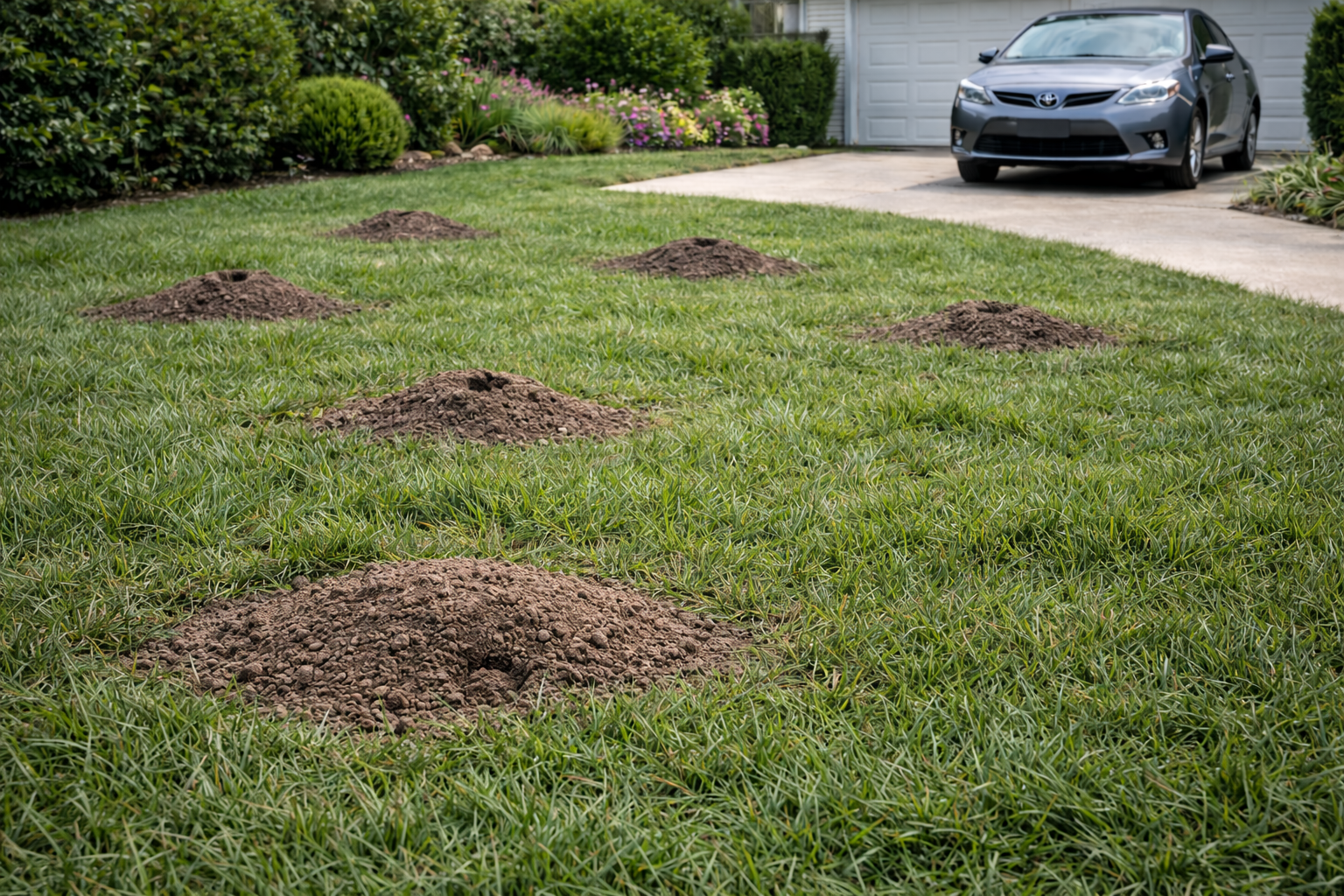
Gopher Activity in Hollywood, CA

Gophers are a persistent wildlife presence throughout Hollywood, California, affecting residential gardens, commercial landscapes, and public green spaces across the neighborhood. The combination of Hollywood's Mediterranean climate, extensive irrigation infrastructure, and proximity to natural chaparral habitat creates ideal conditions for pocket gopher populations to thrive. Property owners in areas ranging from the Hollywood Hills to the flatter neighborhoods near Hollywood Boulevard regularly encounter evidence of gopher activity on their land.

Why Hollywood Has Significant Gopher Activity

Hollywood's geographical and environmental characteristics make it particularly suitable for gopher colonization. The area sits on mostly loamy and clay-loam soils, which are relatively easy for pocket gophers to excavate and maintain tunnel systems within. These soil types retain moisture well—a critical factor since gophers require accessible groundwater and prefer areas where digging doesn't require excessive energy expenditure.

The neighborhood's extensive landscape irrigation, installed to support decorative gardens and maintained green spaces in an otherwise arid climate, creates an abundance of soft plant material and moist soil conditions year-round. Gophers are attracted to irrigated areas because the combination of water availability and cultivated vegetation provides both nutrition and hydration. Proximity to the Hollywood Hills and the chaparral ecosystems beyond the neighborhood's urban boundary means wildlife corridors exist that allow gopher populations to naturally disperse into residential areas.

Hollywood's typical Mediterranean climate—warm, dry summers and mild, wet winters—aligns closely with the breeding and activity cycles of pocket gophers. The winter rainy season (November through March) softens soil and encourages plant growth, supporting larger gopher populations. Even during dry months, continued landscape irrigation maintains conditions favorable for gopher survival and reproduction.

Common Gopher Species in Hollywood

The Botta's pocket gopher (Thomomys bottae) is the primary gopher species found throughout Hollywood and the broader Los Angeles basin. This species is medium-sized, typically measuring 5 to 6 inches in body length, with a relatively short, hairless tail. Botta's pocket gophers display fur ranging from brown to grayish-brown, which provides effective camouflage in Southern California's soil and mulch environments.

The name "pocket gopher" derives from the deep, fur-lined cheek pouches these animals use to transport food and nesting material. These external pouches are a distinctive anatomical feature separating pocket gophers from other burrowing rodents. Botta's pocket gophers are solitary, territorial animals, with each individual or breeding pair occupying and defending a distinct burrow system that can extend across multiple properties.

Botta's pocket gophers in Hollywood establish their tunnel networks in both sandy and clay soils found throughout the neighborhood. They prefer areas with established vegetation and consistent moisture, making Hollywood's maintained landscapes and gardens prime habitat. The species is crepuscular, meaning most of their surface activity occurs during dawn and dusk, though underground excavation happens throughout the day and night.

When Gopher Activity Peaks in Hollywood

Gopher activity in Hollywood follows seasonal patterns tied to breeding cycles and rainfall. The primary breeding season occurs from January through March, when male gophers become more active searching for mates and females prepare to bear litters. During these months, property owners may notice increased mounding activity as displaced soil from tunnel excavation becomes more visible.

Spring rains (typically February through April) coincide with this breeding period, softening soil throughout Hollywood neighborhoods and making digging easier. The combination of reproductive urgency and favorable soil conditions creates a peak activity window. Following spring births, juvenile gophers disperse from maternal burrows during late spring and early summer, leading to secondary activity increases as young animals establish their own tunnel systems.

Activity remains relatively consistent through summer and fall, though the frequency of new mounding may decrease during drought conditions when soil becomes compacted. Winter rains again facilitate burrowing activity, as saturated soil is easier to excavate. Property owners in Hollywood should anticipate year-round gopher presence, with heightened visibility during and immediately following the rainy season from November through April.

Signs of Gopher Damage in Hollywood Yards

The most visible indicator of gopher presence is fresh mounding—small to medium-sized piles of displaced earth appearing across lawns and garden beds. These mounds, typically 6 to 12 inches in diameter, are created when gophers push soil upward while constructing or maintaining tunnel systems. Fresh mounds have loose, crumbly soil and appear darker than surrounding earth because they contain newly excavated material from deeper soil layers.

Established Hollywood gardens show clear patterns of gopher damage including wilting or killed plants with severed roots, as gophers consume roots and bulbs from below the soil surface. Damage often appears suddenly, with healthy plants deteriorating within days once gophers access root systems. Irrigation lines and drip systems frequently suffer puncture damage from tunnel activity, leading to water leaks, reduced system efficiency, and visible wet spots in yards.

Sunken or collapsing soil areas indicate tunnel networks near the surface. Gophers sometimes create subsurface runways just beneath grass, leaving visible depressions. Homeowners may observe small entrance holes scattered throughout affected areas, roughly 1 to 1.5 inches in diameter, which gophers use to access surface areas for feeding on grass and garden vegetation.

Landscape Considerations for Hollywood Properties

Hollywood's landscaping aesthetic historically emphasizes ornamental gardens, mature trees, and decorative plantings, creating environments that attract and support gopher populations. Spanish Colonial Revival and Mediterranean-style homes throughout the neighborhood typically feature extensive softscape areas with roses, fruit trees, vegetable gardens, and drought-resistant native plantings. These cultivated zones provide abundant food sources for gophers and encourage burrow establishment near residences.

Certain plants common in Hollywood landscapes are particularly vulnerable to gopher predation. Tender bulbs (tulips, daffodils, hyacinths), root vegetables, and young tree saplings suffer significant damage. Mature trees, while less susceptible to fatal root damage, still experience bark stripping and root exposure from gopher tunneling. Drought-resistant plants like California natives and Mediterranean species remain attractive to gophers because they require less supplemental irrigation, meaning gophers must actively feed on plant material rather than relying on irrigation water alone.

Properties featuring extensive hardscape—patios, walkways, pool decks—show reduced gopher activity because these surfaces limit burrowing opportunities. Conversely, yards with continuous garden beds, mulch areas, and irrigated turf provide optimal gopher habitat. Hollywood property owners must balance aesthetic preferences with practical considerations regarding gopher vulnerability when selecting landscaping features and plant compositions.