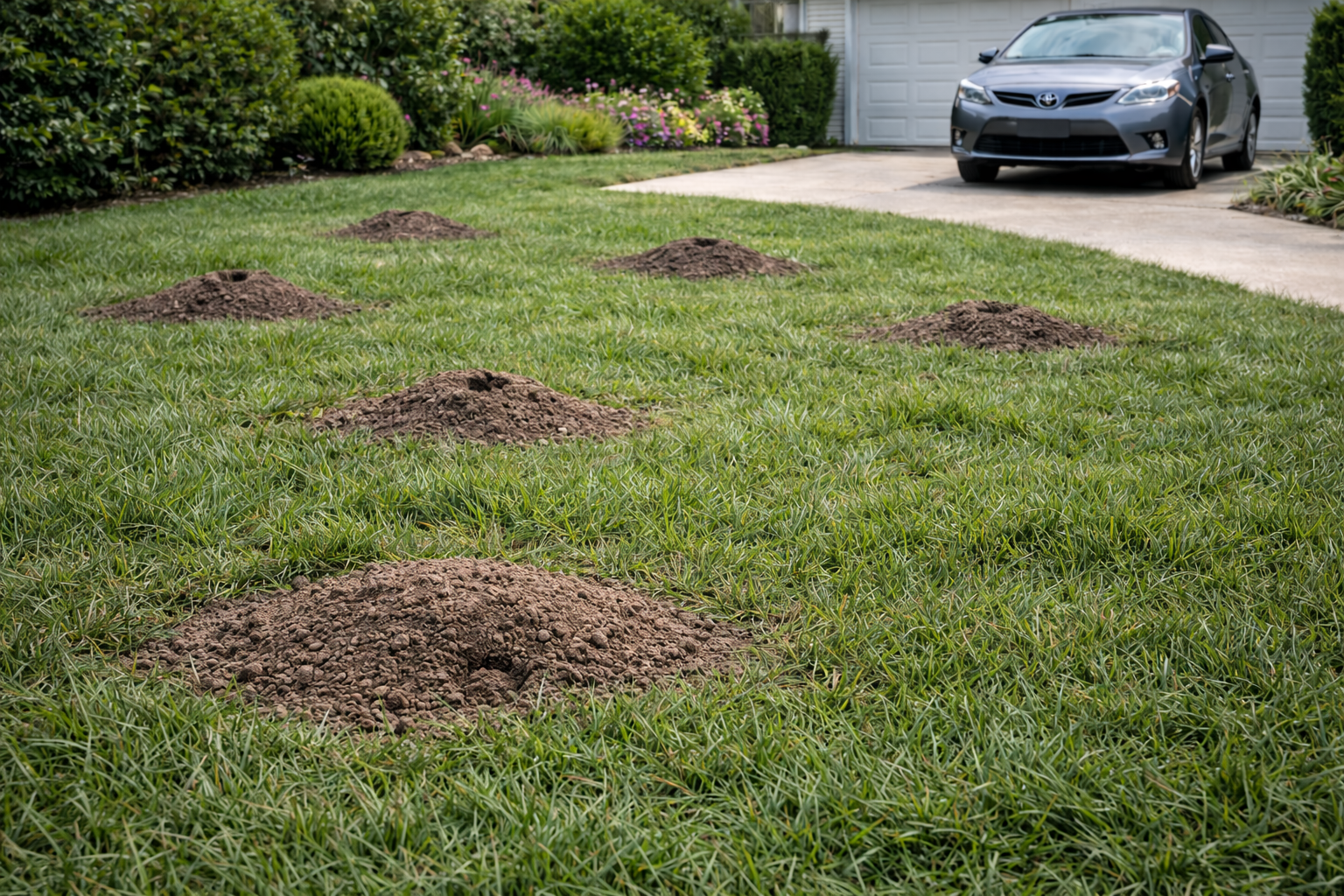
Gopher Activity in Huntington Park, CA

Gophers represent a persistent wildlife presence throughout Huntington Park, the densely populated community located in southeast Los Angeles County. The city's combination of residential yards, community gardens, and remnant agricultural spaces creates ideal habitat for pocket gopher populations. Understanding gopher behavior, seasonal patterns, and local environmental factors helps residents recognize and respond to activity on their properties.

Why Huntington Park Has Significant Gopher Activity

Huntington Park's geographic position and soil composition make it particularly suitable for gopher colonization. The city sits within the Los Angeles coastal plain, characterized by loamy and clay-loam soils derived from alluvial deposits. These soil types, while excellent for plant growth, are also ideal for burrowing—soft enough for gophers to excavate extensive tunnel systems without extreme effort, yet firm enough to maintain structural integrity.

The region's Mediterranean climate, with mild winters and warm, dry summers, allows gophers to remain active throughout most of the year. Unlike northern climates where gophers experience dormancy periods during severe winter cold, Huntington Park's winter temperatures rarely drop below freezing, enabling year-round foraging and movement through tunnel networks.

Irrigation infrastructure throughout Huntington Park significantly contributes to gopher populations. Residential neighborhoods, parks, and commercial landscaping all depend on regular watering systems, which create moist soil conditions that gophers find exceptionally favorable. Moisture softens soil, making tunneling easier and promoting the growth of root vegetables and succulent plants that gophers prefer. The proximity of Huntington Park to less urbanized areas in the Puente Hills and the presence of riparian corridors connected to the Rio Hondo watershed also facilitate gopher movement into developed areas during seasonal population fluctuations.

Common Gopher Species in Huntington Park

The Botta's pocket gopher (Thomomys bottae) represents the primary gopher species found throughout Huntington Park and greater Los Angeles County. This species derives its common name from the distinctive external cheek pouches used to transport food and nesting material through tunnel systems. Botta's pocket gophers typically measure 5 to 6 inches in body length, with an additional 1.5 to 2 inches of relatively short tail. Their fur ranges in color from grayish-brown to darker brown, providing effective camouflage in soil environments.

These gophers possess specialized anatomical features adapted for subterranean life. Powerful forelimbs with elongated claws enable efficient digging, while small eyes and ears reduce vulnerability to soil particles and predators. The lips can close behind the protruding incisors, allowing the animal to excavate with its teeth while protecting the mouth from soil ingestion. In Huntington Park, Botta's pocket gophers occupy residential yards, park grounds, and any landscape containing suitable soil and vegetation. Individual gophers establish solitary territories underground, with males covering larger areas than females, particularly during breeding season.

When Gopher Activity Peaks in Huntington Park

Gopher activity in Huntington Park demonstrates distinct seasonal patterns aligned with local climate and reproductive cycles. The primary breeding season occurs from January through March, when lengthening day length and warming temperatures trigger reproductive behavior. During this period, males become more mobile and visible as they search for mates, resulting in increased tunneling activity and more frequent surface disturbances throughout neighborhoods. Homeowners often notice escalated mound-building activity during late winter and early spring, reflecting heightened underground movement.

Spring rainfall, typically occurring between February and April in Huntington Park, creates secondary peaks in gopher activity. Precipitation softens soil and stimulates plant growth, providing abundant food resources. Gophers respond by expanding tunnel systems and increasing feeding trips. A single heavy rain event can soften soil conditions enough to prompt noticeable burrowing activity within 48 hours of precipitation.

Summer months present relatively lower activity levels, as gophers retreat deeper into tunnels to escape heat and drying conditions. However, supplemental irrigation in residential areas keeps upper soil layers moist, allowing continued activity even during dry periods. Fall activity increases moderately as gophers prepare for winter by accumulating food stores and expanding winter burrows. Contrary to common assumptions, gophers do not hibernate in Huntington Park's mild climate; they remain active throughout winter months, though with reduced surface visibility.

Signs of Gopher Damage in Huntington Park Yards

Identifying gopher presence requires familiarity with specific signs of their burrowing and feeding activities. The most obvious indicator consists of characteristic mounds appearing throughout affected yards. Unlike mole mounds, which form cone-shaped structures with a vent hole at the apex, gopher mounds typically appear as crescent or fan-shaped ridges of loose soil pushed up from below. The tunnel entrance remains concealed beneath the mound rather than centrally visible. In Huntington Park yards with clay-loam soil, these mounds can reach 6 to 12 inches in height and spread across 8 to 18 inches of surface area.

Subsurface tunneling damage becomes evident through surface settling and collapse. As gophers excavate tunnel networks, the upper soil layers lose support, creating sunken areas that become apparent during watering. Underground irrigation systems frequently suffer from gopher damage; tunneling directly adjacent to water lines can fracture PVC pipes or cause gradual leaking that results in expensive water waste. Vegetable gardens suffer particularly severe impact, as gophers consume root crops directly from below while creating tunnel systems through garden beds.

Aboveground plant damage typically manifests as wilting, yellowing, or sudden collapse of otherwise healthy plants. Gophers girdle roots, sever primary tap roots, and consume small trees' root systems entirely. Ornamental plants, fruit trees, and vegetable plantings throughout Huntington Park residential areas frequently show signs of gopher feeding damage during peak activity periods.

Landscape Considerations for Huntington Park Properties

Huntington Park's landscaping preferences and regional plant selections create specific vulnerability patterns regarding gopher damage. Many residential properties feature Mediterranean-style landscaping incorporating drought-tolerant plants like rosemary, California poppies, and various native shrubs. However, the city's dense residential character and proximity to formerly agricultural lands means considerable planted acreage features vegetables, fruit trees, and ornamental plants highly preferred by gophers. Community gardens operate throughout Huntington Park neighborhoods, providing concentrated food sources that attract and support substantial gopher populations.

Properties with established irrigation systems present particular appeal to gophers. The combination of maintained moisture levels, regular feeding opportunities from landscaping selections, and extended growing seasons creates ideal conditions for population establishment. Yards featuring deep mulch layers, landscape bark, or dense ground covers offer additional benefits to gophers by providing insulation and cover for tunnel construction.

Hardscape elements, including concrete, asphalt, and stone paving, create barriers to gopher movement and establishment. Properties with extensive paved areas or rock hardscape experience significantly lower gopher populations compared to those featuring primarily softscape plantings. However, decorative rock gardens and gravel landscaping popular in Huntington Park designs actually facilitate gopher activity, as these materials create ideal conditions for tunnel construction while remaining easily manageable for burrowing animals.