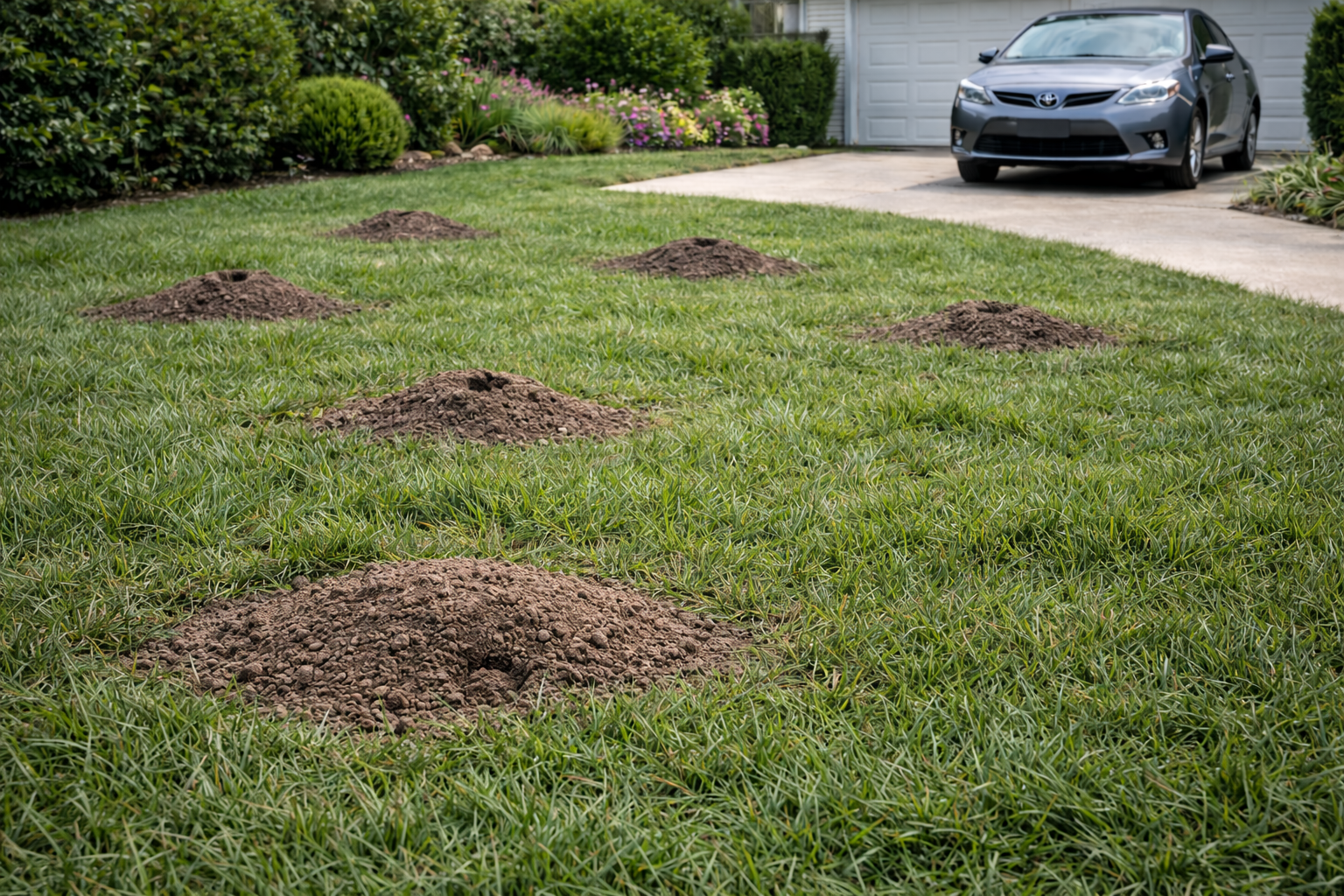
Gopher Activity in Laguna Niguel, CA

Laguna Niguel, situated in southern Orange County along the Pacific Coast, experiences notable gopher activity due to its unique combination of coastal geography, Mediterranean climate, and extensive residential landscaping. The presence of pocket gophers in this affluent coastal community represents a persistent ecological reality that property owners encounter throughout the year. Understanding the factors that support gopher populations in Laguna Niguel helps residents and property managers make informed decisions about landscape management and pest awareness.

Why Laguna Niguel Has Significant Gopher Activity

Laguna Niguel's geographic and environmental characteristics create ideal conditions for gopher populations. The community sits on coastal bluffs and canyon terrain with sandy loam and clay loam soils that are relatively easy for gophers to tunnel through. These soil types, combined with the region's well-established irrigation infrastructure—necessary to maintain the area's distinctive Mediterranean and drought-tolerant landscaping—provide both accessible burrowing medium and reliable moisture sources.

The climate in Laguna Niguel supports year-round gopher activity. Winters are mild, with daytime temperatures typically between 60 and 70 degrees Fahrenheit, eliminating the dormancy period that gophers experience in colder regions. The area receives approximately 10 to 12 inches of annual rainfall, concentrated primarily between November and March, which softens soil and makes burrowing easier during winter and early spring months.

Additionally, Laguna Niguel's landscape design philosophy—featuring extensive ornamental plantings, groundcovers, and decorative plants—supplies abundant food sources. Properties in neighborhoods like Laguna Niguel North, South Laguna, and areas near Aliso Creek contain numerous drought-tolerant plants, flowering shrubs, and bulbs that gophers actively consume. The proximity to natural open spaces, including the Laguna Coast Wilderness Park and various canyon habitats, means gopher populations receive regular reinforcement from surrounding wildlife areas.

Common Gopher Species in Laguna Niguel

The Botta's pocket gopher (Thomomys bottae) is the primary gopher species found throughout Laguna Niguel and the broader Orange County region. This species is well-adapted to the coastal chaparral and residential environments that characterize the area. Adult Botta's pocket gophers typically measure 5 to 7 inches in body length, with relatively short tails ranging from 1.5 to 2.5 inches. Their coloration varies from dark brown to reddish-brown, and they possess distinctive external cheek pouches used for carrying food and nesting materials.

Botta's pocket gophers have powerful front claws and large, ever-growing incisors that enable continuous tunneling and gnawing on roots and bulbs. Their body structure is compact and cylindrical, perfectly adapted for underground movement through soil and tunnels. A single gopher can maintain burrow systems extending 300 feet or more, with multiple entrances and chambers serving different functions including nesting, food storage, and toilet areas.

In Laguna Niguel, these gophers prefer areas with consistent moisture and good soil structure. They thrive in both native habitat surrounding the community and actively cultivated residential properties. Botta's pocket gophers are solitary and territorial, meaning that mound-building activity on a property typically indicates the presence of individual gophers maintaining separate territories, rather than a single gopher creating all visible signs.

When Gopher Activity Peaks in Laguna Niguel

Gopher activity in Laguna Niguel demonstrates seasonal patterns influenced by local climate and breeding cycles. The most intense period occurs between January and March, coinciding with the breeding season and peak rainfall months. During this window, soil moisture increases significantly from winter precipitation, making tunneling easier and expanding the subsurface environment available to gophers. Additionally, gophers are actively seeking mates and establishing territories, which correlates with increased surface activity and mound construction.

Spring months—March through May—represent the secondary peak period for observable gopher damage. Young gophers, born in late winter, begin establishing their own territories as they mature and disperse from maternal burrow systems. This juvenile dispersal results in new tunnel construction across properties as young gophers seek suitable habitat.

Summer activity typically decreases as soil becomes drier and harder to tunnel through, despite Laguna Niguel's irrigation systems maintaining some properties in workable conditions. Fall months show moderate activity levels as temperatures cool and moisture increases in preparation for winter. Year-round presence is typical, however, as the mild coastal climate prevents dormancy. Even during drier months, gophers remain active beneath the surface, particularly in irrigated landscape areas and properties with consistent soil moisture.

Signs of Gopher Damage in Laguna Niguel Yards

The most obvious indicator of gopher presence in Laguna Niguel properties is the appearance of soil mounds, typically 2 to 4 inches high and 4 to 8 inches in diameter. These mounds are distinctive cone-shaped structures composed of excavated soil pushed to the surface from burrow construction. Unlike moles, which create ridged tunnels visible on lawn surfaces, gopher mounds appear as discrete piles of loose soil. In Laguna Niguel's diverse landscaping—including drought-tolerant gardens, succulents, and traditional lawn areas—mounds disrupt both aesthetic appearance and plant density.

Property owners may observe depressed or wilted plants without obvious above-ground cause; this often indicates that gophers have severed root systems underground. Ornamental plantings, vegetable gardens, and young trees in Laguna Niguel neighborhoods frequently exhibit this damage pattern. Gophers characteristically clip roots and bulbs and consume portions, leaving plants unable to access water and nutrients.

Irrigation system damage represents another significant consequence of gopher activity. Laguna Niguel properties rely extensively on underground irrigation lines to maintain landscaping in the area's semi-arid climate. Burrowing gophers frequently sever drip lines, soaker hoses, and pressurized irrigation pipes, causing water loss and system malfunction. Homeowners may notice unexpected increases in water usage or areas within irrigation zones that receive inadequate water supply.

Landscape Considerations for Laguna Niguel Properties

Laguna Niguel's landscape aesthetic reflects coastal Southern California design principles, with significant portions of residential and common-area properties featuring drought-tolerant plants, native chaparral species, and Mediterranean groundcovers. Properties throughout neighborhoods such as Mandalay Shores, Emerald Bay, and the various gated communities commonly include California buckwheat, coyote brush, toyon, California lilac, and drought-resistant flowering shrubs. While these plants align with water-conservation goals and local environmental preferences, many are simultaneously attractive to gophers and vulnerable to their damage.

Succulent plantings—extremely popular throughout Laguna Niguel due to their low-water requirements and visual appeal—face particular pressure from gopher activity. Gophers consume bulbs, corms, and fleshy roots of many succulent species, causing rapid plant loss. Landscape designers and property managers in the area recognize this tension between aesthetic and ecological goals and practical wildlife management concerns.

Properties with extensive softscape (planted areas) experience more visible gopher activity than those emphasizing hardscape features such as pavers, stone pathways, patios, and decorative rock or bark mulch. Some Laguna Niguel properties employ strategic hardscaping to reduce vulnerable planted areas, though this represents a significant departure from the lush, botanically diverse landscape style that characterizes the community's established neighborhoods.