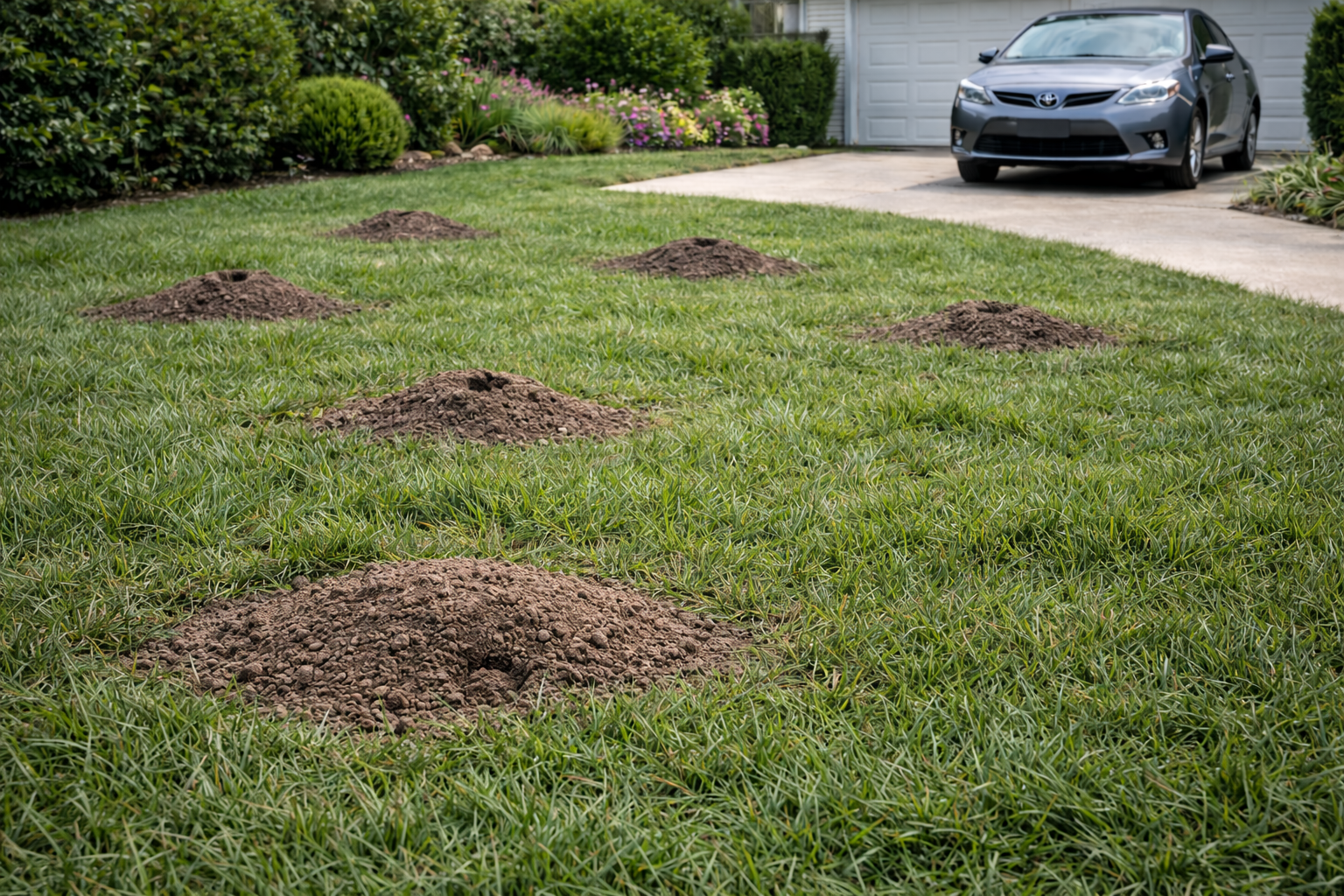
Gopher Activity in Culver City, CA

Gophers are a persistent presence throughout Culver City, a city located in western Los Angeles County that encompasses approximately 5 square miles of residential, commercial, and industrial space. The combination of the city's temperate climate, irrigation-dependent landscaping, and proximity to unmanaged open spaces creates ideal conditions for these burrowing rodents. Property owners across Culver City—from the neighborhoods near the Baldwin Hills to areas bordering the Los Angeles area—encounter gopher activity regularly, particularly during warmer months and after irrigation cycles.

Why Culver City Has Significant Gopher Activity

Culver City's gopher population thrives due to several interconnected environmental factors. The city sits in a region characterized by fine-grained alluvial soils deposited from historical water flows, creating soft, easily workable substrates ideal for gopher burrowing. The area's Mediterranean climate—with warm, dry summers and mild winters—permits year-round gopher activity, unlike colder regions where freezing temperatures limit tunnel expansion during winter months.

The city's extensive irrigation infrastructure, essential for maintaining ornamental landscaping and gardens in Los Angeles's naturally arid climate, inadvertently supports gopher populations. Regularly watered lawns, flower beds, and vegetable gardens provide both moisture and abundant food sources that would not exist naturally in unirrigated landscapes. Additionally, Culver City's proximity to the Baldwin Hills area and its position within the greater Los Angeles Basin means that gophers can disperse from less-developed spaces into residential properties. The city's relatively flat topography and extensive ground-level plantings create continuous habitat corridors that facilitate gopher movement across properties.

Common Gopher Species in Culver City

The Botta's pocket gopher (Thomomys bottae) is the dominant gopher species found throughout Culver City and the broader Los Angeles County region. This medium-sized rodent weighs approximately 2 to 4 ounces and measures 5 to 7 inches in body length, with an additional 1 to 2 inch tail. Botta's pocket gophers display uniformly brown or grayish-brown fur, with slightly lighter coloring on their undersides. They possess small, rounded ears positioned low on the head and small eyes—adaptations suited to their subterranean lifestyle where vision matters less than tactile and olfactory senses.

These gophers derive their name from their large, external cheek pouches, which they use to transport food and nesting materials through their tunnel networks. In Culver City's residential areas, Botta's pocket gophers occupy various microhabitats including manicured lawns, vegetable gardens, shrub borders, and landscaped medians. They are solitary animals that establish individual territory networks, meaning that multiple gophers may burrow within a single property but each maintains separate tunnel systems. The species thrives in Culver City's soil conditions and has successfully colonized both older neighborhoods with established plantings and newer residential developments where fresh irrigation supports plant growth.

When Gopher Activity Peaks in Culver City

Gopher activity patterns in Culver City follow seasonal cycles influenced by breeding behavior, water availability, and plant growth stages. January through March represents the primary breeding season for Botta's pocket gophers, during which males expand their territories seeking females and territory-holding individuals exhibit increased aggressive behavior. This period, coinciding with Culver City's winter and early spring months, generates noticeable above-ground activity as gophers tunnel more extensively and create multiple mounds across properties.

Spring rains, when they occur, stimulate both fresh plant growth and increased gopher foraging activity. As soils become more workable following winter moisture, gopher burrowing accelerates. Summer activity typically remains consistent, sustained by consistent irrigation schedules that keep Culver City lawns and gardens moist and vegetation actively growing. Fall months may show slight activity reductions as gophers focus on food storage for winter, though year-round activity persists in irrigated landscapes where soil remains workable. The timing of residential irrigation systems proves particularly significant; properties with automated sprinkler systems that maintain consistent moisture year-round may experience continuous gopher pressure, while drought conditions paradoxically reduce activity by making soil harder to tunnel through and reducing available vegetation.

Signs of Gopher Damage in Culver City Yards

Gopher presence in Culver City properties manifests through distinctive physical evidence. Fresh gopher mounds represent the most recognizable sign—these are crescent or horseshoe-shaped piles of soil pushed up from tunnel construction, typically appearing as raised arcs 3 to 6 inches high and 8 to 12 inches wide. Unlike mole mounds, which are roughly circular, gopher mounds appear asymmetrical because gophers push soil out from tunnel plugs rather than from central shafts. A single active gopher may create multiple mounds across a property over several weeks.

Beyond mounds, property owners notice gopher damage to irrigation systems, as tunneling rodents sever drip lines, soaker hoses, and occasionally main water lines. This subsurface destruction disrupts watering patterns, creating dry patches within otherwise irrigated areas. Plant damage provides another indicator: vegetation wilts or dies despite adequate soil moisture because gopher tunneling severs root systems. Gophers particularly target herbaceous plants, young shrubs, and vegetable crops. In Culver City gardens, evidence includes gnawed carrot and turnip tops, destroyed lettuce seedlings, and uprooted ornamental plants. Burrow openings—small, clean holes approximately 1.5 inches in diameter—appear in lawn edges or planting beds, often with nearby soil plugs indicating the gopher has sealed its tunnel entrance.

Landscape Considerations for Culver City Properties

Culver City's residential landscaping aesthetic significantly influences gopher vulnerability. The city's predominant landscaping style incorporates softscape elements—planted beds, turf areas, and vegetable gardens—that provide ideal gopher habitat. This approach contrasts sharply with hardscape-dominant designs utilizing pavers, gravel, rock gardens, and minimal plantings. Properties throughout Culver City neighborhoods typically feature some combination of lawn areas, foundation plantings, and decorative beds that gophers readily colonize. The city's diverse neighborhoods include areas with mature, established landscaping in older residential zones, mixed with newer developments featuring fresh plantings that prove particularly attractive to gophers.

Certain plant species commonly used in Culver City landscaping attract significant gopher attention. Root vegetables including carrots, turnips, and sweet potatoes are highly preferred foods. Ornamental plants vulnerable to gopher damage include young tree saplings, strawberry plants, and emerging bulbs. Some plants prove more resistant to gopher predation—established drought-tolerant species native to California, densely rooted groundcovers, and plants with toxic or unpalatable foliage receive less attention. The interplay between Culver City's irrigation practices and plant selection creates varying gopher pressure across different properties; yards maintaining lush, irrigated landscapes with vulnerable plantings experience greater gopher activity than those with drier conditions and less-preferred species.