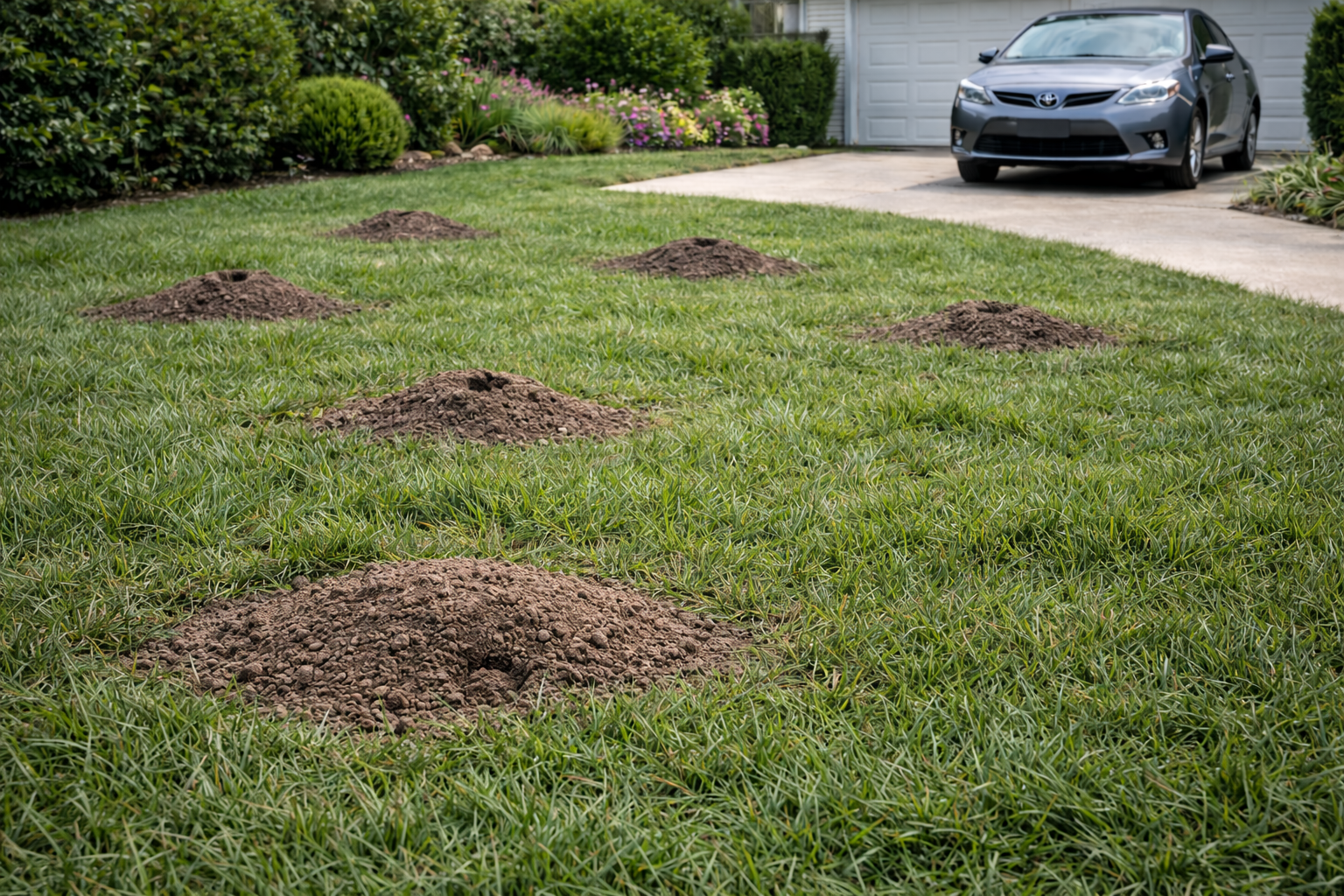
Gopher Activity in East Los Angeles, CA
East Los Angeles experiences consistent gopher activity throughout the year, driven by the region's unique combination of soil composition, residential landscaping practices, and Mediterranean climate. Property owners across neighborhoods like Boyle Heights, Lincoln Heights, and the areas near the Los Angeles River corridor frequently encounter evidence of pocket gopher populations. Understanding the environmental factors that support gopher habitats in this part of Los Angeles helps residents recognize why their yards attract these burrowing rodents.
Why East Los Angeles Has Significant Gopher Activity
The geology and soil characteristics of East Los Angeles create an ideal environment for pocket gophers. Much of the area sits on alluvial soils deposited by the Los Angeles River over thousands of years, producing relatively loose, workable earth that gophers can tunnel through with minimal resistance. These soils are typically well-draining in some areas and clay-rich in others, providing diverse conditions that support year-round burrowing activity. The region's elevation ranges from approximately 200 to 400 feet above sea level, and this variation across different neighborhoods means soil density and composition fluctuate, affecting how easily gophers can establish burrow systems.
Irrigation infrastructure throughout East Los Angeles—including backyard sprinkler systems, drip irrigation lines, and regularly watered ornamental gardens—creates moisture conditions that attract and sustain gopher populations. Many properties in residential neighborhoods maintain year-round landscaping that requires supplemental watering, especially during the dry summers typical of Southern California's Mediterranean climate. This consistent moisture makes yards more appealing to pocket gophers seeking food sources and suitable burrowing habitat. Additionally, East Los Angeles's proximity to riparian areas along the Los Angeles River, as well as nearby undeveloped land in surrounding foothills, means gopher populations from wild areas naturally migrate into developed neighborhoods.
Common Gopher Species in East Los Angeles
The Botta's pocket gopher (Thomomys bottae) is the predominant gopher species found throughout East Los Angeles and the broader Los Angeles Basin. These medium-sized rodents measure approximately 5 to 6 inches in body length, with an additional 1 to 2 inches of tail. Their fur typically ranges from brown to grayish-brown, helping them blend into Southern California's soil. Botta's pocket gophers possess distinctively large, powerful front teeth and prominent front claws adapted for digging—features that make them exceptionally efficient at creating extensive burrow networks.
Physically, Botta's pocket gophers have small eyes and ears positioned high on their heads, adaptations reflecting their primarily subterranean lifestyle. Their most notable characteristic is the presence of external, fur-lined cheek pouches (pocket-like structures) that extend from their mouths to their shoulders, which they use to transport food and nesting materials through their tunnel systems. In East Los Angeles specifically, gophers adapt well to both the drier, compacted soils found in developed urban areas and the more friable soils in gardens and landscaped spaces. Their burrowing creates networks that can extend across multiple properties, making them challenging to manage at an individual property level.
When Gopher Activity Peaks in East Los Angeles
Gopher activity in East Los Angeles follows predictable seasonal patterns influenced by the region's climate and gopher breeding cycles. The breeding season typically occurs from January through March, during which male gophers become more active in seeking mates, resulting in increased surface activity and more visible burrow mounding. During this period, property owners in neighborhoods across East Los Angeles often notice fresh mounds appearing in lawns and garden beds as gophers create new tunnels and expand existing burrow systems.
Spring months—particularly March and April—bring increased activity related to both breeding patterns and the region's typical rainfall. When Los Angeles experiences winter and early spring precipitation, soil moisture levels rise, making burrowing easier and triggering increased foraging behavior as gophers seek fresh plant growth. Summer months in East Los Angeles bring drier conditions that can reduce activity somewhat, though gophers remain active throughout the year in irrigated landscapes. Fall months see a secondary period of activity as gophers prepare for winter by gathering food and creating winter burrow chambers. Year-round irrigation in many East Los Angeles properties eliminates the seasonal dormancy some gopher populations experience in unwatered regions, meaning activity can occur consistently across all seasons.
Signs of Gopher Damage in East Los Angeles Yards
The most immediately visible sign of gopher presence is fresh mounding—distinctive piles of soil pushed to the surface as gophers excavate their tunnel systems. In East Los Angeles yards, these mounds typically appear as roughly circular, slightly flattened piles ranging from 2 to 6 inches in diameter, scattered across lawns and garden areas. Unlike moles, which create ridged surface tunnels, gophers leave more discrete mounding activity. Property owners can often determine whether mounding is recent by observing whether the soil appears freshly turned (darker, moister) or older and dried out.
Gopher damage extends beyond surface mounding to affect underground irrigation systems common throughout East Los Angeles properties. Pocket gophers will gnaw through drip irrigation tubing, PVC pipes, and irrigation supply lines as they tunnel, causing leaks and disrupting water delivery to landscaped areas. In gardens and vegetable plots, gophers cause direct plant damage by consuming roots, bulbs, and underground portions of vegetables and ornamental plants. Residents may notice plants wilting despite adequate watering, or finding plants completely severed below the soil surface. In severe infestations, gopher tunneling can create surface subsidence where soil above burrow chambers collapses, creating trip hazards in yards and landscape areas.
Landscape Considerations for East Los Angeles Properties
East Los Angeles landscaping typically reflects a blend of traditional California residential styles, Mediterranean-influenced plantings, and functional food gardens. Many properties feature a combination of drought-tolerant shrubs, specimen trees, and vegetable gardens—a mix that unfortunately appeals to pocket gophers. The region's warm climate supports year-round gardening, with many residents maintaining productive vegetable gardens that, while valuable for food production, create attractive food sources for gophers seeking bulbs, roots, and tender plants.
Certain plants commonly cultivated in East Los Angeles yards prove particularly vulnerable to gopher predation. Bulb-type plantings including tulips, daffodils, and other spring bloomers are especially susceptible, as are vegetable crops like carrots, potatoes, beets, and root vegetables. Tree and shrub roots, particularly of younger specimens recently planted in neighborhood yards, can be severed by gopher tunneling activity. Many East Los Angeles properties combine softscape (planted areas) and hardscape (patios, walkways, driveways) in ways that create multiple habitat zones for gophers. Irrigation systems, mulched planting beds, and regular supplemental watering create conditions favoring gopher establishment and persistence. Properties with significant organic mulch, compost areas, or dense ground cover plantings provide both food resources and protective cover that supports gopher populations year-round.
For professional gopher control in Southern California, visit Rodent Guys — serving Los Angeles, Orange, San Bernardino, and Riverside counties.