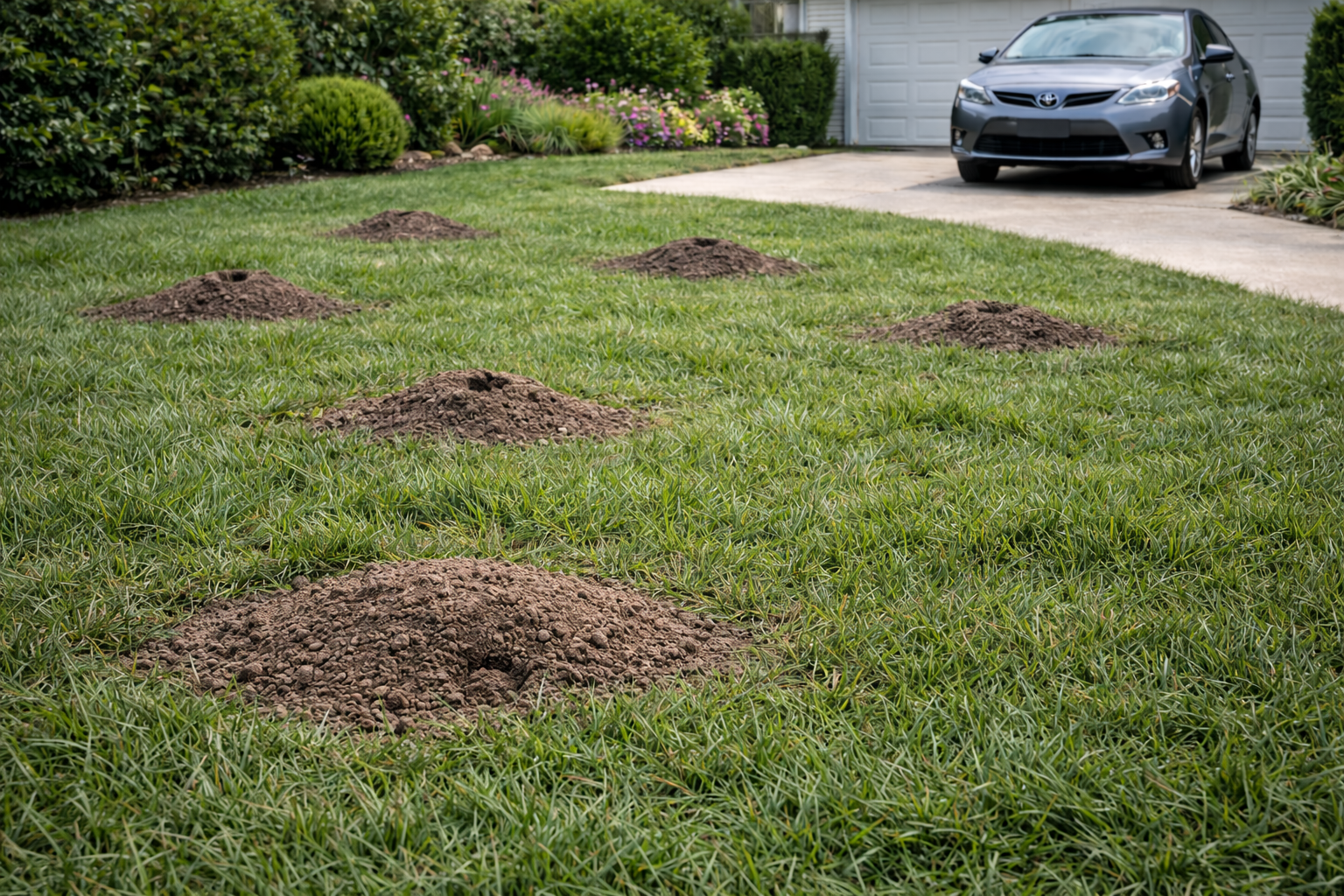
Gopher Activity in Hermosa Beach, CA

Hermosa Beach, situated along the South Bay coast of Los Angeles County, experiences regular gopher activity that affects both residential and commercial properties. The combination of sandy loam soils, year-round moisture from coastal influence, and proximity to natural open spaces creates favorable conditions for pocket gopher populations. Understanding the patterns and characteristics of gopher activity in this beach community helps property owners recognize problems early and make informed decisions about landscape management.

Why Hermosa Beach Has Significant Gopher Activity

The geological and environmental conditions in Hermosa Beach make the area particularly suitable for pocket gopher colonization. The soil composition across the community consists primarily of sandy loam with moderate clay content, which is ideal for burrowing and tunnel construction. These soils are neither too compacted nor too loose, allowing gophers to create extensive underground networks with relative ease. The texture of Hermosa Beach soils, formed from coastal sediments and weathered alluvial deposits, provides minimal resistance to the digging activities that pocket gophers naturally perform.

Water availability plays a crucial role in supporting gopher populations throughout the year. Hermosa Beach receives approximately 12 to 15 inches of annual precipitation, concentrated primarily between November and March. Beyond natural rainfall, the community's abundant landscaping features extensive irrigation systems that maintain soil moisture during the dry summer months. The combination of underground sprinkler lines, drip irrigation, and hand watering creates persistent moisture conditions that make tunneling easier for gophers and encourage the growth of tender plant roots that gophers consume.

The proximity of Hermosa Beach to El Matador Beach, Torrance Marsh, and the Hermosa Valley Open Space provides natural reservoir populations of gophers. These undeveloped areas along the coastal bluffs and lowlands harbor wild gopher colonies that periodically disperse into nearby residential neighborhoods. Additionally, the mild coastal climate, with average winter temperatures rarely dropping below 50°F and summer highs averaging in the mid-70s, allows gophers to remain active throughout the year rather than entering extended dormancy periods seen in colder climates.

Common Gopher Species in Hermosa Beach

The pocket gopher species present in Hermosa Beach is the Botta's pocket gopher, scientifically known as Thomomys bottae. This species represents the most common gopher found throughout Southern California's coastal communities and inland valleys. Botta's pocket gophers are medium-sized rodents, typically weighing between 2 and 4 ounces, with a stocky, cylindrical body adapted specifically for subterranean life.

The physical characteristics of Botta's pocket gophers include small eyes and ears positioned toward the back of the head, reducing the chance of soil entering these sensory organs during tunnel construction. Their front legs are notably muscular and equipped with long claws designed for digging. The fur color varies depending on local soil conditions; in Hermosa Beach, where sandy soils predominate, Botta's pocket gophers typically display light brown to tan coloration that matches the surrounding earth. These rodents possess external cheek pouches, from which the family name "pocket gopher" derives, that extend from the mouth to the shoulder and serve as transportation mechanisms for moving soil and food materials.

Within Hermosa Beach, Botta's pocket gophers occupy various habitat types including residential yards with established landscaping, vacant lots undergoing development, public parks, and the margins of coastal bluff areas. They demonstrate a clear preference for areas with consistent moisture and abundant food sources, making well-irrigated residential properties particularly attractive. Individual gophers typically maintain exclusive territories encompassing 200 to 400 square feet, though territory size varies based on food abundance and soil quality. In areas where multiple favorable conditions overlap—such as established gardens with regular irrigation—territories may be smaller and populations denser.

When Gopher Activity Peaks in Hermosa Beach

Gopher activity in Hermosa Beach follows seasonal patterns strongly influenced by local climate and breeding cycles. The peak activity period extends from January through April, coinciding with the gopher breeding season and the region's rainy winter months. During this window, males actively search for mates, resulting in increased surface activity and expanded tunnel networks. The soil moisture from winter and spring precipitation makes digging considerably easier, encouraging gophers to expand their burrow systems and feed on newly sprouted vegetation.

Spring rains, typically occurring between February and March in Hermosa Beach, trigger significant gopher activity. The increased moisture softens the compacted upper soil layers, allowing gophers to construct new tunnels and repair existing passages damaged by settling or winter weather. Simultaneously, winter-dormant plants begin sprouting, providing fresh plant material rich in nutrients that gophers actively seek. Residential gardens containing vegetables, young shrubs, and ornamental plants experience noticeably higher predation during these months.

A secondary activity peak occurs during late fall, around September through November, as gophers prepare for winter and take advantage of cooler temperatures that make surface and shallow-tunnel work more tolerable. Summer months, June through August, generally show reduced gopher activity, though this does not indicate population decline. Rather, gophers shift their behavior deeper into cooler tunnels and remain active primarily during early morning and evening hours when surface temperatures are lowest. In Hermosa Beach's marine layer climate, where summer fog moderates daytime heating, gopher activity remains somewhat elevated compared to inland communities experiencing extreme summer heat.

Signs of Gopher Damage in Hermosa Beach Yards

Property owners in Hermosa Beach can identify gopher presence through several distinctive physical indicators appearing in yards and landscaped areas. The most obvious sign consists of fresh mounds of excavated soil scattered across lawns and garden beds. These mounds, typically 4 to 6 inches in diameter and 2 to 4 inches high, appear suddenly and increase in number during active periods. Unlike mole mounds, which are volcano-shaped, gopher mounds tend toward a more crescent or horseshoe shape with a plugged burrow entrance visible along one edge.

Plant damage represents the second major indicator of gopher activity. Gophers systematically consume roots, bulbs, and foliage of landscape plants, causing sudden wilting or death of previously healthy vegetation. Young trees and shrubs in Hermosa Beach gardens show characteristic damage patterns where roots near the soil surface are severed or stripped of bark. Herbaceous plants simply disappear, pulled underground by feeding gophers. Sections of turf may collapse as subsurface burrows tunnel beneath root systems, creating hollow spaces and causing grass to separate from soil.

Irrigation system damage frequently accompanies gopher activity in Hermosa Beach properties. Buried drip irrigation lines, soaker hoses, and PVC irrigation pipes suffer punctures and ruptures from gopher tunneling activity. Property owners often notice unexplained dry patches in otherwise irrigated areas or sudden drops in irrigation system pressure. The damage typically occurs in patches along tunnel pathways rather than uniformly across landscaped areas, creating irregular patterns of affected plants.

Surface runways and open burrow entrances sometimes become visible as gopher populations intensify. These shallow subsurface tunnels, typically one inch in diameter, create raised ridges or collapsed lines across turf surfaces. Multiple burrow entrances clustered within small areas indicate established territories with substantial populations.

Landscape Considerations for Hermosa Beach Properties

Hermosa Beach's distinctive coastal aesthetic influences local landscaping practices, which in turn affects gopher activity patterns. The community's residential areas feature a blend of Mediterranean-inspired designs, native coastal sage scrub plantings, and adapted drought-tolerant gardens reflecting modern water conservation practices. Simultaneously, established neighborhoods contain substantial populations of mature ornamental plants, fruit trees, and traditional lawn areas that represent decades of cumulative landscaping choices.

Certain plant species commonly installed throughout Hermosa Beach show particular vulnerability to gopher predation. Root vegetables, including carrots and beets, attract intensive gopher feeding activity. Young fruit trees, especially citrus and stone fruits popular in coastal Southern California gardens, suffer significant root damage from gopher tunneling directly beneath their planting zones. Ornamental bulbs and tubers, including dahlia, tulip, and gladiolus varieties frequently used in Hermosa Beach cottage-style gardens, are consumed with regularity by gophers. Tender herbaceous plants and vegetable seedlings in community garden plots and residential vegetable gardens face complete predation during peak activity seasons.

Conversely, certain landscape approaches demonstrate reduced vulnerability to gopher damage. Properties featuring extensive hardscaping—including patios, walkways, and decorative rock features—provide less habitat for gopher colonization than turf-dominated landscapes. Native coastal plants adapted to Hermosa Beach's maritime conditions, such as California buckwheat, toyon, and silver beachweed, generally suffer less gopher damage than exotic ornamental species. Establishing root barriers using hardware cloth or metal mesh around vulnerable plant groupings provides physical protection, though this approach requires careful installation and maintenance. Elevated planting beds, commonly seen in Hermosa Beach vegetable gardens, reduce gopher access compared to in-ground planting, though determined gophers can still tunnel beneath raised structures if barriers are incomplete.