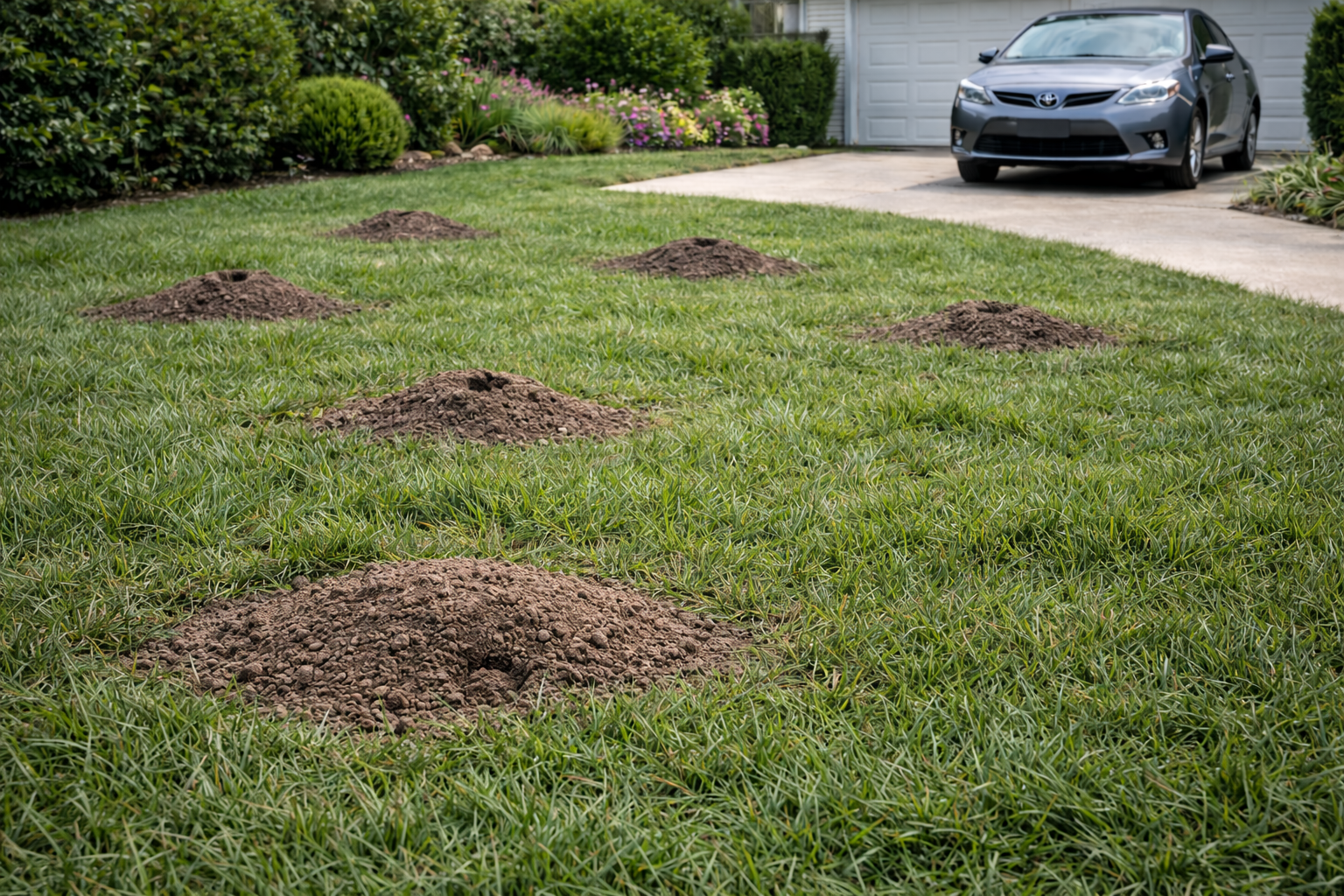
Gopher Activity in Lomita, CA
Lomita, a small unincorporated community in Los Angeles County situated in the rolling terrain of the San Gabriel Valley foothills, experiences consistent gopher activity throughout the year. The combination of Lomita's well-irrigated residential properties, sandy loam soils, and proximity to natural chaparral and oak woodland habitats creates an ideal environment for pocket gopher populations. Residents in this area frequently encounter the distinctive mounded excavations that signal active burrowing beneath lawns and garden beds.
Why Lomita Has Significant Gopher Activity
Lomita's geographic and environmental conditions make it particularly susceptible to gopher colonization and persistent populations. The community sits at an elevation between 1,200 and 1,600 feet, placing it in a transition zone where the San Gabriel Valley's developed landscape meets the San Gabriel Mountains' chaparral ecosystem. This proximity means that gopher populations from undeveloped foothill areas continuously migrate into residential zones seeking food and suitable burrowing medium.
The soil composition in Lomita consists primarily of sandy loam and silt loam derived from granitic parent material—conditions that are exceptionally favorable for gopher tunnel construction. These soil types offer minimal resistance to digging while maintaining enough structural integrity to support stable burrow systems. Unlike clay-heavy soils in some Southern California communities, Lomita's earthen composition allows gophers to excavate with relative ease, requiring less energy expenditure and promoting population growth.
Water availability represents another critical factor supporting Lomita's gopher populations. Most residential properties maintain irrigation systems for ornamental plantings and lawn maintenance, creating year-round moisture conditions that soften soil and encourage plant growth. Gophers depend on tender vegetation and moisture-rich burrow environments; the consistent irrigation practices throughout Lomita neighborhoods essentially subsidize food and habitat quality for local populations. Additionally, Lomita receives approximately 15 to 18 inches of annual precipitation, with most rainfall concentrated between November and March, further promoting soil conditions favorable for gopher activity and vegetation growth.
Common Gopher Species in Lomita
The pocket gopher species predominating in Lomita is Botta's pocket gopher (Thomomys bottae), also known as the valley pocket gopher. This species has adapted successfully throughout the San Gabriel Valley and surrounding foothills, establishing itself as the region's most abundant fossorial rodent. Understanding Botta's pocket gopher characteristics helps Lomita residents identify active infestations and distinguish gopher damage from other wildlife impacts.
Botta's pocket gophers are relatively small rodents, typically weighing between 2.5 and 4 ounces and measuring 6 to 8 inches in total body length. They possess stocky, cylindrical bodies optimized for underground locomotion, with powerful forelimbs equipped with long claws suited to excavation. Their fur coloration ranges from light brown to dark reddish-brown, with considerable variation among individual animals. The species derives its common name "pocket gopher" from the externally opening cheek pouches used to transport food and nesting materials throughout their burrow systems.
Within Lomita's landscape, Botta's pocket gophers occupy diverse microhabitats ranging from cultivated garden beds and irrigated lawns to native sage scrub and oak woodland margins. They demonstrate remarkable soil preference flexibility compared to some other pocket gopher species, thriving in the sandy loam prevalent throughout Lomita while also tolerating more challenging clay-loam soils in some areas. This adaptability, combined with abundant food resources in residential landscaping and consistent moisture from irrigation, has enabled robust population establishment throughout the community's neighborhoods and surrounding transitional zones.
When Gopher Activity Peaks in Lomita
Gopher activity in Lomita exhibits distinct seasonal patterns influenced by breeding cycles, moisture availability, and food abundance. The reproductive season for Botta's pocket gophers extends from January through March, coinciding with Lomita's peak rainfall months. During this period, males actively excavate new tunnels in search of mates, and females expand burrow systems in preparation for litter production. This winter-to-early-spring breeding window typically generates the year's most noticeable mounding activity, with property owners frequently observing fresh earth mounds across yards during February and March mornings.
Spring months (April through May) sustain elevated gopher activity as populations expand following successful breeding and as tender vegetation growth accelerates. Lomita's winter rains recharge soil moisture through May, maintaining the soft soil conditions gophers prefer for burrowing while simultaneously promoting the green vegetation—fresh grass shoots, clover, forbs, and emerging perennials—that constitutes their primary diet. During this window, gopher damage to established landscaping often becomes apparent as plants show signs of root damage or sudden wilting from burrow disruption.
Summer activity (June through August) typically diminishes as soil moisture declines in Lomita's Mediterranean-climate environment. However, properties with active irrigation systems maintain attractiveness to gopher populations year-round, sometimes producing secondary activity surges during summer months. Fall (September through November) generally shows intermediate activity levels, increasing again as autumn rains begin moistening soil and stimulating new plant growth. Understanding these seasonal patterns helps Lomita residents anticipate when gopher presence becomes most conspicuous and when preventive measures may prove most timely.
Signs of Gopher Damage in Lomita Yards
Identifying gopher activity in Lomita properties requires familiarity with characteristic damage patterns and excavation features. The most obvious indicator is the presence of crescent-shaped or horseshoe-shaped mounds scattered across lawns and garden areas. These mounds result from gophers pushing excavated soil to the surface; unlike mole mounds which are conical and centralized, gopher mounds typically exhibit a characteristic off-center appearance with the exit tunnel positioned to one side. A single active gopher may produce multiple mounds across its territory, and established populations can generate dozens of mounds across modest residential properties within weeks.
Beyond surface mounding, Lomita residents should observe irrigation system disruption as a significant damage indicator. Gophers frequently burrow along irrigation lines, damaging drip tubing, soaker hoses, and buried PVC pipes. Property owners may notice sudden dry patches in otherwise irrigated landscape beds, reduced water pressure in drip systems, or visible punctures and crushed sections of irrigation equipment. These disruptions become particularly costly in Lomita's climate, where maintaining summer plant vigor requires reliable irrigation throughout the dry season.
Plant damage provides another diagnostic clue. Gophers consuming roots from below ground cause young shrubs, perennials, and vegetable plants to wilt suddenly and die despite adequate water. In established landscape plantings, gophers may ring-bark roots or consume root systems entirely, leaving plants weakened and susceptible to secondary stress. Homeowners may observe plants listing to one side or toppling when only lightly tugged, indicating severe root compromise. Additionally, gophers sometimes create surface runways in soft mulch or cut vegetation above ground when populations reach high densities or when burrowing conditions become temporarily suboptimal.
Landscape Considerations for Lomita Properties
Lomita's landscape character reflects typical Southern California foothill residential development, combining Mediterranean and drought-tolerant plant palettes with traditional turf lawns and irrigated gardens. The community features a mix of mid-century suburban properties with established ornamental plantings alongside newer homes incorporating native plant aesthetics. Common landscaping elements include coast live oak and California pepper trees (mature specimens retained from native habitat), mixed shrub borders featuring ceanothus and manzanita, decorative perennial gardens, and both traditional and drought-adapted turf areas. This diversity of planting types creates variable gopher vulnerability across Lomita properties.
Certain plants commonly featured in Lomita landscapes demonstrate particular susceptibility to gopher damage. Young trees and shrubs with tender, palatable roots—including fruit trees, ornamental plums, and newly established shade trees—face significant root-predation risk. Vegetable gardens, increasingly common in Lomita yards, attract gophers through the combination of tender root crops (carrots, beets, turnips) and protein-rich legumes. Perennial flower beds and ornamental borders containing soft-rooted plants like dahlias, tulips, and daylilies frequently show gopher damage. Conversely, established native oaks and drought-adapted shrubs with deep, woody root systems generally withstand gopher activity more successfully.
The balance between softscape (planted areas) and hardscape (paved, built surfaces) influences gopher management challenges in Lomita properties. Homes with extensive lawn coverage and densely planted gardens provide maximum foraging and burrowing habitat, supporting larger gopher populations. Properties incorporating substantial hardscaping—patios, pathways, rock gardens, and raised beds with hardware-cloth barriers—reduce available habitat and can limit population establishment. Additionally, mulched planting beds, while aesthetically consistent with contemporary Lomita landscaping trends, create ideal conditions for gopher burrowing and foraging. Understanding these landscape relationships helps property owners anticipate vulnerability and recognize early infestation signs across their specific site conditions.
For professional gopher control in Southern California, visit Rodent Guys — serving Los Angeles, Orange, San Bernardino, and Riverside counties.