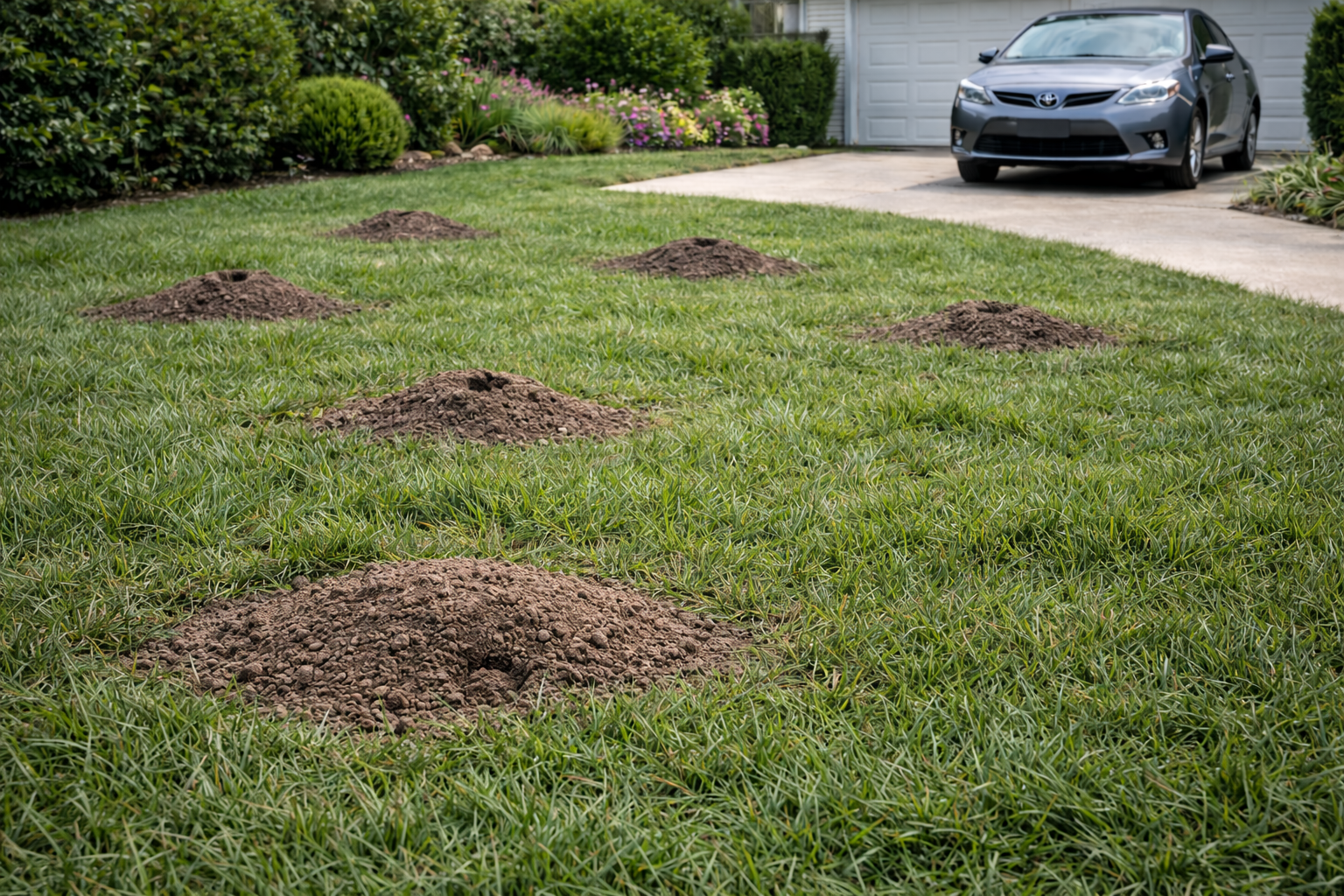
Gopher Activity in San Pedro, CA
San Pedro, the historic port community in Los Angeles's South Bay region, experiences persistent gopher activity throughout residential and commercial properties. The combination of marine terrace geology, year-round irrigation practices, and proximity to natural open spaces creates ideal conditions for pocket gopher populations to thrive. Understanding gopher behavior and seasonal patterns helps property owners in this coastal neighborhood recognize activity early and protect landscaping investments.
Why San Pedro Has Significant Gopher Activity
San Pedro's geographical location and environmental conditions make it particularly susceptible to gopher colonization. The area sits on marine terraces with sandy loam and silty soil composition, which pocket gophers find ideal for tunneling and burrowing. These soil types, formed from ancient ocean deposits, lack the dense clay found in some inland Los Angeles neighborhoods, allowing gophers to excavate extensive tunnel systems with minimal energy expenditure. The area's elevation ranges from sea level near the harbor to approximately 300 feet inland, with generally well-draining soils across most residential zones.
Irrigation patterns throughout San Pedro neighborhoods significantly contribute to gopher activity. Many properties maintain landscape irrigation year-round, particularly in established areas like White Point, Midtown San Pedro, and near the Korean Friendship Bell. This consistent moisture keeps soil workable and promotes abundant plant growth, which serves as a reliable food source for gophers. The marine influence, while creating cooling ocean breezes, also increases humidity that maintains soil moisture even during dry months. Additionally, San Pedro's proximity to the Palos Verdes Peninsula's natural open spaces and protected lands means wildlife corridors connect residential areas to larger gopher populations in undeveloped terrain. Movement from these wild areas into manicured yards creates a steady influx of new individuals throughout the year.
Common Gopher Species in San Pedro
The Botta's pocket gopher (Thomomys bottae) is the predominant species encountered throughout San Pedro and the greater Los Angeles basin. Named after 19th-century naturalist Juan Pablo Botta, this species is well-adapted to Southern California's Mediterranean climate and coastal conditions. Adult Botta's pocket gophers typically measure 5 to 7 inches in body length, with shorter tails relative to other gopher species. Their fur ranges from dark brown to reddish-brown, with lighter-colored individuals sometimes observed in San Pedro's sandy soil areas where lighter coloration may provide camouflage advantages.
These pocket gophers derive their common name from external fur-lined cheek pouches, which they use to transport soil and plant material through tunnel systems. Botta's pocket gophers possess small eyes and ears suited for underground life, and their powerful front limbs feature prominent claws specialized for digging. Unlike moles, which are primarily carnivorous, pocket gophers are herbivorous, feeding on roots, bulbs, and underground plant portions. In San Pedro's yards, they particularly target ornamental plant roots, vegetable gardens, and the root systems of recently planted trees. The species creates elaborate burrow networks that can extend 100 feet or more, with multiple chambers serving different purposes including nesting, food storage, and waste management. San Pedro residents often discover these networks when tunnels breach near the surface or when multiple mounds appear across a single property over the course of a season.
When Gopher Activity Peaks in San Pedro
Gopher activity in San Pedro follows distinct seasonal patterns influenced by the area's Mediterranean climate. Breeding season typically occurs from January through March, during which male gophers become more active in seeking mates and establishing territories. This period often corresponds with increased observable activity, as property owners notice fresh mound construction and more frequent surface disruption. The winter and early spring months bring moderate rainfall to San Pedro, typically between 13 and 15 inches annually concentrated from November through March, which softens soil and encourages breeding behavior.
Spring represents peak activity season for gopher detection in San Pedro, as newly independent juveniles disperse from parental burrows and seek suitable habitats. April and May often bring the most visible evidence of gopher presence, with numerous fresh mounds appearing in yards and landscaped areas. Summer months show reduced surface activity, though gophers continue tunneling underground as they avoid the drier, harder soil conditions. Fall months, September through November, see another activity increase as gophers prepare for winter by establishing food caches and expanding burrow systems. San Pedro's mild winters mean gophers remain active year-round, unlike populations in harsher climates that enter dormancy. Irrigation schedules significantly influence activity timing in this region—properties that increase watering during dry months may see elevated gopher activity that extends seasonal patterns beyond typical windows.
Signs of Gopher Damage in San Pedro Yards
The most visible indicator of gopher activity is the characteristic mound of freshly excavated soil. San Pedro property owners will notice volcanic-shaped mounds, typically 4 to 12 inches in height and 3 to 6 inches in diameter, scattered across lawns and planting beds. These mounds appear when gophers push soil from tunnel construction to the surface, usually creating a plugged opening visible at the mound's apex. Fresh mounds are dark, moist, and composed of loose soil contrasting sharply with established turf. Identifying fresh versus old mounds helps determine current activity levels—older mounds flatten and weather over time, while fresh mounds indicate active burrow expansion during the past few days.
Subsurface damage often precedes visible mound appearance. San Pedro residents may notice landscape irrigation lines damaged or disrupted, with water flowing from breaks in underground drip systems. Gophers tunnel adjacent to irrigation lines while foraging and frequently sever PVC tubing. Sunken areas in lawns indicate tunnel collapse, creating uneven surfaces that damage lawn mower blades and create tripping hazards. Plant damage appears as sudden wilting or death of ornamental plants, shrubs, and young trees despite adequate water supply—evidence that gophers have severed root systems. In vegetable gardens common to San Pedro's residential neighborhoods, plants may be pulled partially underground as gophers feed on roots from below. Vegetation in otherwise healthy landscapes suddenly yellowing or declining often signals gopher root damage, particularly in newly planted specimens that are especially vulnerable.
Landscape Considerations for San Pedro Properties
San Pedro's landscape character reflects its coastal community identity and diverse property styles. Victorian and Craftsman homes near Ninth Street and the downtown waterfront often feature established shade trees, ornamental plantings, and smaller cultivated spaces. Mid-century residences in Midtown San Pedro typically include native California plants mixed with Mediterranean species suited to the area's climate. Coastal properties near Point Fermin and White Point often emphasize drought-tolerant, salt-tolerant plantings adapted to marine wind exposure and sandy soils. Understanding which plants are vulnerable to gopher damage helps property owners make informed landscaping choices.
Gophers readily damage popular San Pedro plants including roses, fruit trees, citrus, stone fruit, young oak trees, and newly installed landscape specimens. Tender young trees particularly suffer, as gophers can completely girdle root systems, killing even mature specimens over time. Established root systems offer some resistance, but young plants with delicate root architecture face high vulnerability. San Pedro landscapers often protect valuable plants using hardware cloth barriers installed during planting, creating underground cages that prevent gopher access while allowing root expansion. Alternatively, hardscape-heavy designs incorporating patios, pathways, planters, and xeriscaping reduce gopher habitat and damage potential. Container gardening offers another strategy for vulnerable plants in active gopher areas. Understanding seasonal activity patterns allows San Pedro property owners to time vulnerable plantings for fall installation when gophers become less active, providing young plants additional establishment time before peak spring foraging season. Native plants and established specimens generally show greater resilience than tender ornamentals or newly installed landscape features.
For professional gopher control in Southern California, visit Rodent Guys — serving Los Angeles, Orange, San Bernardino, and Riverside counties.