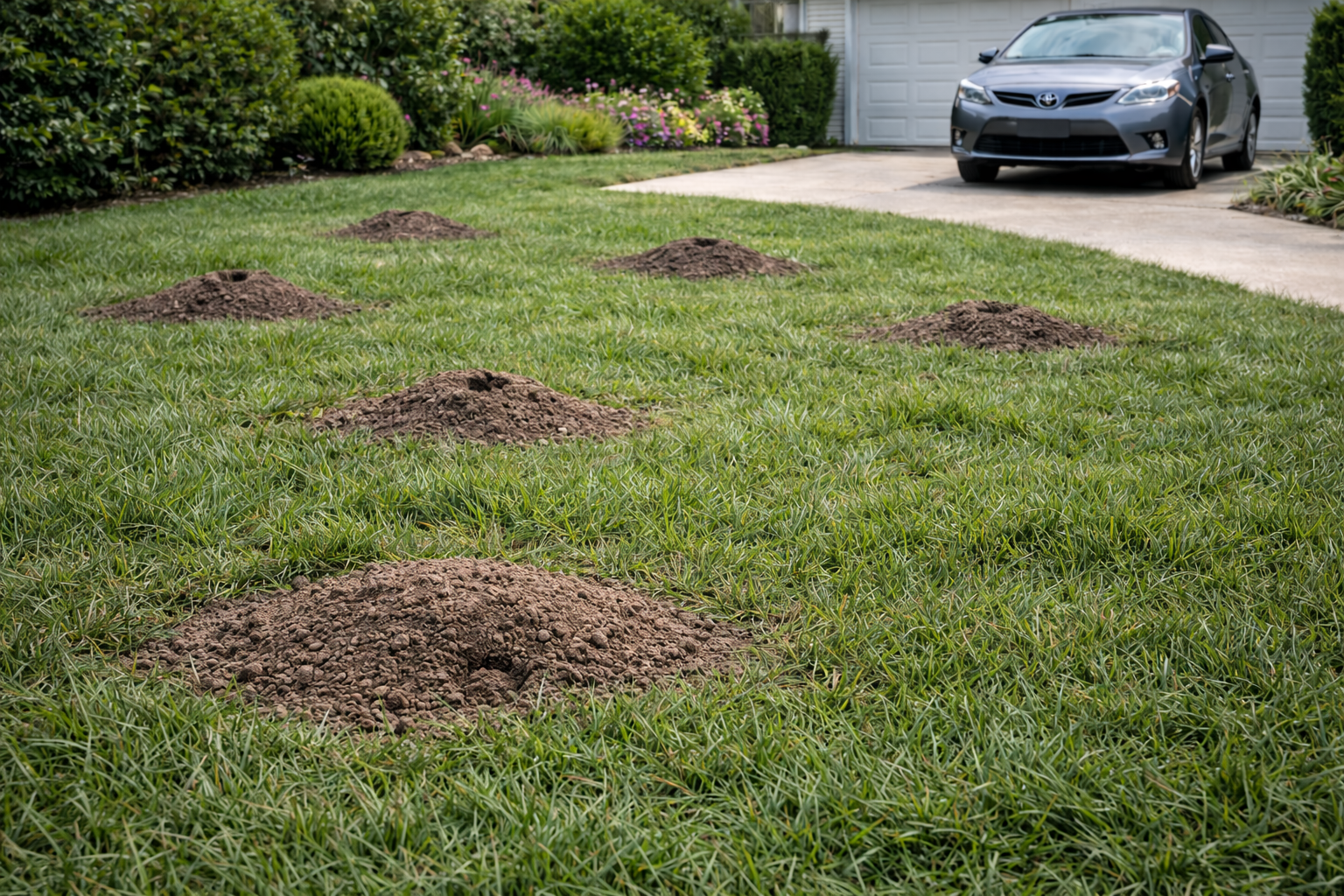
Gopher Activity in Rolling Hills Estates, CA

Rolling Hills Estates, situated in southwestern Los Angeles County on the Palos Verdes Peninsula, experiences persistent gopher activity that affects residential properties throughout the community. The combination of the region's Mediterranean climate, well-irrigated residential landscapes, and proximity to native chaparral habitat creates ideal conditions for pocket gopher populations. Homeowners and property managers in this upscale community frequently encounter evidence of gophering activity, particularly during spring and early summer months.

Why Rolling Hills Estates Has Significant Gopher Activity

The environmental conditions in Rolling Hills Estates actively support thriving gopher populations. The area sits atop the Palos Verdes Peninsula, characterized by loamy and clay-rich soils derived from consolidated volcanic and sedimentary geology. These soil types are ideal for burrowing, offering enough cohesion to maintain tunnel structure while remaining manageable for excavation. Rolling Hills Estates receives approximately 12 to 15 inches of annual rainfall, concentrated primarily between November and March, which softens the soil and makes tunneling easier during wet seasons.

The residential landscape design across Rolling Hills Estates contributes significantly to gopher presence. Properties throughout the community feature extensive irrigation systems—a necessity given the region's semi-arid character—that maintain soil moisture year-round. This consistent moisture attracts gophers seeking both hydration and softened earth for tunneling. Additionally, Rolling Hills Estates sits adjacent to undeveloped chaparral and sage scrub habitat on the Palos Verdes Peninsula, which serves as a reservoir population source. Gophers naturally migrate from these wild areas into residential zones where food sources and suitable habitat are abundant. The neighborhood's emphasis on mature landscaping, including established ornamental gardens, flowering perennials, and vegetable gardens, provides abundant food resources that gophers exploit.

Common Gopher Species in Rolling Hills Estates

The pocket gopher species found throughout Rolling Hills Estates is the Botta's pocket gopher (Thomomys bottae), a medium-sized rodent native to California and the southwestern United States. Adult Botta's pocket gophers typically measure 5 to 7 inches in body length, with a thick, robust build adapted for underground excavation. Their fur ranges from light tan to dark brown, with lighter coloration generally predominating in the Palos Verdes area populations. These gophers possess powerful forelimbs equipped with elongated claws specifically designed for digging, and their small eyes and ears reflect their subterranean lifestyle.

Botta's pocket gophers derive their common name from their distinctive cheek pouches, which they use to transport soil and plant material through their burrow systems. Rolling Hills Estates provides optimal habitat for this species because the soil composition allows for extensive tunnel networks without excessive hardpan or rock layers that would impede burrowing. Individual gophers maintain territories averaging 600 to 2,000 square feet, depending on food availability and soil conditions. Within Rolling Hills Estates neighborhoods, particularly in areas like the Saddleback Ridge and the western sections bordering Erwin Park, Botta's pocket gophers thrive in both native habitat remnants and thoroughly developed residential properties. The species exhibits solitary behavior, with each tunnel system typically occupied by a single gopher, making population control efforts more complex because multiple individuals may be present across a single property.

When Gopher Activity Peaks in Rolling Hills Estates

Gopher activity in Rolling Hills Estates follows predictable seasonal patterns influenced by the local climate and breeding cycles. The breeding season for pocket gophers extends from January through March, coinciding with increased soil moisture from winter rainfall that peaks in February and early March. During this reproductive period, male gophers actively travel through tunnel systems in search of females, resulting in increased surface activity and more visible mounding. Homeowners frequently notice new mounds appearing in their yards during late February and March as breeding activity intensifies.

Spring represents the secondary peak activity period in Rolling Hills Estates, extending from April through May. As young gophers disperse from maternal burrow systems and establish their own territories, new tunneling activity becomes evident. The combination of spring rainfall—though typically lighter than winter precipitation—and warming temperatures creates ideal conditions for burrow expansion and territorial establishment. Summer months from June through September show relatively reduced surface activity as soil moisture declines and gophers spend more time in deeper tunnel systems seeking adequate moisture. Fall activity begins to increase again in October and November as cooler temperatures and occasional autumn rains encourage resumed burrowing. Understanding these seasonal patterns helps residents in Rolling Hills Estates recognize why certain times of year bring more noticeable gopher presence and damage to their properties.

Signs of Gopher Damage in Rolling Hills Estates Yards

Identifying gopher activity in Rolling Hills Estates properties requires understanding the distinctive signs these rodents produce. The most visible indicator is the characteristic mound—a crescent or horseshoe-shaped pile of soil pushed up from the tunnel system. Unlike the conical mounds produced by moles, gopher mounds are asymmetrical and typically feature a plug of soil compressed into the tunnel opening on one side. Across Rolling Hills Estates, gophers produce these mounds in varied soil conditions, from the sandy loam areas in the lower elevations to the heavier clay soils found at higher elevations throughout the peninsula.

Gopher activity causes substantial damage to irrigation systems, a critical concern in Rolling Hills Estates where extensive automated sprinkler systems are standard throughout neighborhoods. Gophers tunnel directly beneath irrigation lines, damaging drip tubing, soaker hoses, and PVC piping as they excavate. This damage disrupts water distribution and creates localized dry spots in landscape areas. Plant damage also indicates gopher presence—gophers consume the roots and bulbs of desirable plants, causing sudden wilting or death of otherwise healthy ornamental specimens. Vegetables and perennials are particularly vulnerable. Residents may observe plants severed at ground level where gophers have clipped stems to drag into their burrows for storage. Garden beds and softscape areas throughout residential Rolling Hills Estates experience this characteristic damage pattern. Additionally, continuous tunnel systems create visible ridges in turf grass areas as gophers push soil along subsurface pathways.

Landscape Considerations for Rolling Hills Estates Properties

Rolling Hills Estates properties typically feature landscape designs that, while aesthetically appealing, create conditions favorable for gopher establishment and damage. The community's signature landscaping style emphasizes mature native California plants mixed with drought-tolerant ornamentals and established turf grass—plantings that require consistent irrigation in this semi-arid climate. This combination of irrigated softscape and shallow-rooted plants creates exactly the environment gophers seek. Properties throughout the community, from the estates on Palos Verdes Drive East to residential areas near Catalina Avenue, rely heavily on irrigation to maintain appearance, especially during the dry season from June through October.

Certain popular landscape plants in Rolling Hills Estates are particularly vulnerable to gopher damage. Root vegetables and bulbs—tulips, daffodils, and sweet potatoes—are favored gopher foods, making vegetable gardens and bulb beds prime targets. Shallow-rooted shrubs common in local landscaping, including some varieties of coyote brush and California privet, suffer from root damage as gophers tunnel beneath them. Conversely, hardscape features such as stone patios, gravel pathways, and rock gardens present challenges for gophers, and properties incorporating extensive hardscape generally experience reduced gopher activity. The balance between softscape irrigation and hardscape design significantly influences gopher presence on Rolling Hills Estates properties. Additionally, the proximity of properties to the undeveloped chaparral areas means that even well-maintained yards remain vulnerable to gopher immigration from surrounding native habitat, making continuous management necessary rather than a one-time solution.