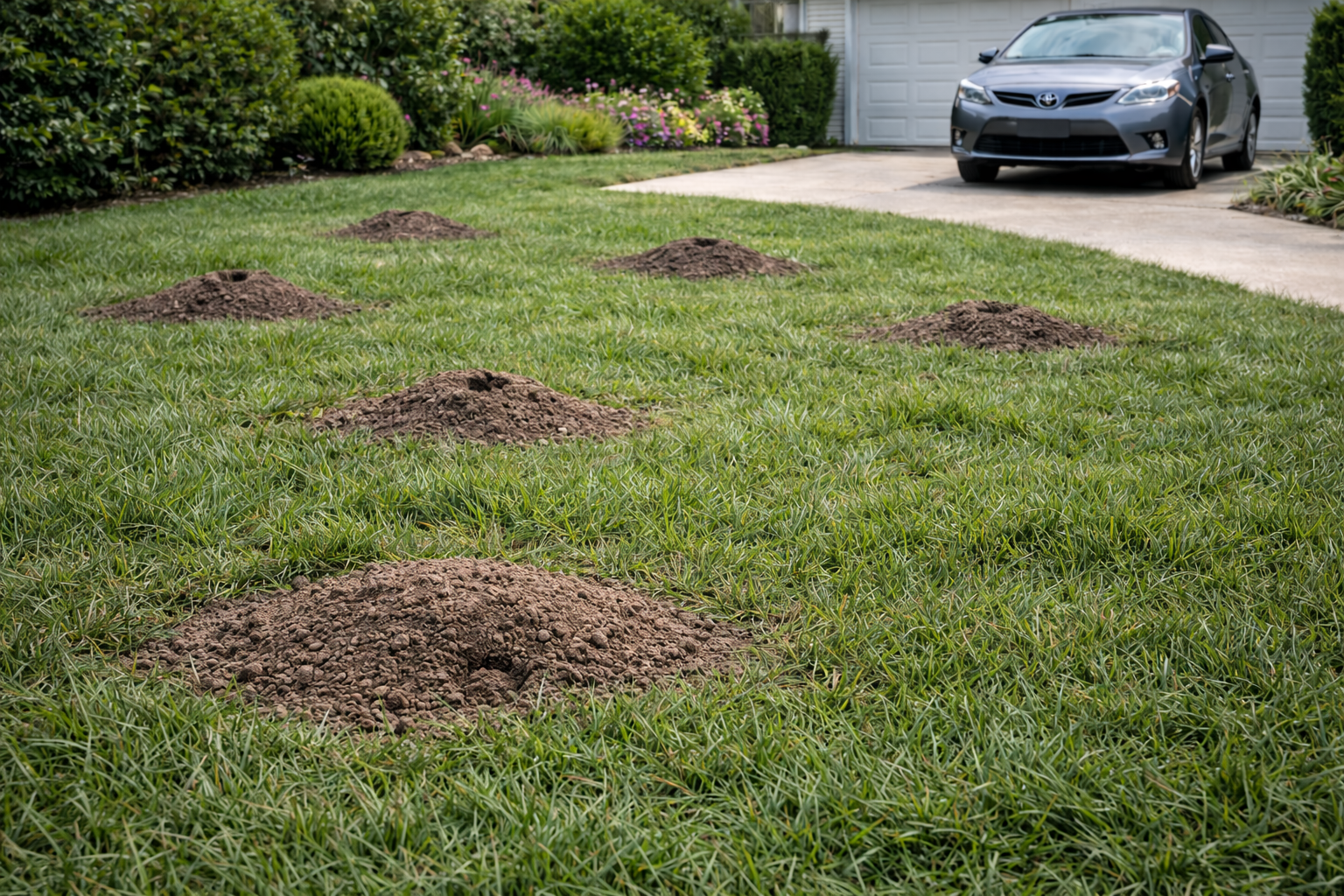
Gopher Activity in San Marino, CA
Gophers are a persistent presence throughout San Marino, the affluent residential community nestled in the San Gabriel Valley between Pasadena and South Pasadena. The combination of well-irrigated gardens, stable soil composition, and proximity to natural habitat corridors creates ideal conditions for pocket gopher populations to thrive year-round. Residents of this tree-lined enclave frequently encounter evidence of gopher tunneling systems beneath their manicured lawns and vegetable gardens.
Why San Marino Has Significant Gopher Activity
San Marino's geography and climate create particularly favorable conditions for gopher colonization. The community sits on the gentle alluvial fan of the San Gabriel River, characterized by deep, workable soil that gophers find ideal for extensive burrow systems. The local soil composition—predominantly silt loam and sandy loam in the upper layers—allows for easy excavation without the excessive hardness that might be found in more compacted clay-heavy areas.
The region's Mediterranean climate pattern contributes substantially to gopher activity. Winters are mild, with temperatures rarely dropping below freezing, which means gopher populations never face the population bottleneck that occurs in colder climates. The annual precipitation averaging around 15 inches falls primarily between November and March, creating a distinct wet season when soil moisture facilitates tunnel expansion and breeding activity becomes more pronounced.
San Marino's extensive landscaping practices amplify gopher presence. The community is characterized by mature residential gardens featuring significant tree canopies, ornamental plantings, and carefully maintained lawns—all irrigation-dependent in this semi-arid region. The network of irrigation lines running beneath properties provides both moisture that gophers require and linear pathways they exploit when tunneling. Additionally, San Marino's position adjacent to the Arroyo Seco and proximity to the San Gabriel Mountains means that gopher populations from undeveloped natural areas continually move into residential zones seeking cultivated food sources and easier burrowing conditions.
Common Gopher Species in San Marino
The pocket gopher species dominating San Marino is the Botta's pocket gopher, scientifically known as Thomomys bottae. This rodent earned its common name from the large external cheek pouches—literally pockets—it uses to transport soil and food materials. The Botta's pocket gopher typically measures five to seven inches in body length, with small, dark eyes and a relatively short tail. Its fur is generally brown to grayish-brown, providing effective camouflage in the soil environments where it spends most of its life.
Unlike some pocket gopher species that prefer sandy or loose soils, Botta's pocket gophers are highly adaptable and thrive across the diverse soil types present throughout San Marino. These solitary animals spend nearly their entire lives underground, emerging only rarely and usually under the cover of darkness. They are powerful diggers, equipped with large front claws and strong forelimbs that allow them to excavate tunnel systems extending many feet across a property.
The Botta's pocket gopher's feeding habits align perfectly with San Marino's horticultural landscape. These animals are primarily herbivorous, consuming roots, bulbs, tubers, and plant material they encounter while tunneling. The extensive root systems of established trees, the bulbs in ornamental plantings, and the vegetables in garden beds all represent attractive food sources. A single gopher may forage across an area of 200 to 2,000 square feet, depending on food abundance and soil conditions, creating the characteristic damage patterns visible across San Marino properties.
When Gopher Activity Peaks in San Marino
Gopher activity in San Marino follows predictable seasonal patterns tied to the local climate cycle. The most intense period of activity occurs between January and March, when breeding season coincides with naturally elevated soil moisture from winter rains. During this window, male gophers become particularly mobile as they search for mates, expanding tunnel systems and creating more visible surface damage. Residents often notice increased mounding during late winter and early spring, as both breeding adults and newly independent juveniles actively tunnel.
Spring rains arriving in February and March soften the soil to optimal working consistency, making tunnel expansion and new burrow initiation significantly easier than during drier months. This seasonal moisture triggers a surge in gopher metabolic activity and reproductive behavior. The combination creates a perfect storm of underground excavation that frequently brings gopher damage to residents' attention exactly when spring landscaping plans are underway.
Activity remains substantial through late spring and early summer as gopher populations establish territories and juveniles disperse from parent burrows. During San Marino's hot, dry summers—when temperatures regularly exceed 85 degrees Fahrenheit and irrigation becomes the primary moisture source—gopher activity shifts somewhat. These animals tend to tunnel deeper and remain below ground more consistently, as shallow tunnels would expose them to heat stress. However, damage continues unabated, as gophers pursue moisture sources and the irrigation lines that deliver water to the community's extensive gardens.
Fall activity increases again as temperatures moderate and soil moisture patterns shift in preparation for the winter rainy season. By late autumn, gopher populations have typically expanded throughout available habitat, creating broad networks of tunnels that may cause sudden surface subsidence or cave-in.
Signs of Gopher Damage in San Roman Yards
The most visible indicator of gopher activity is the characteristic mound—a cone or horseshoe-shaped mound of excavated soil pushed to the surface as the animal burrows. San Marino residents typically observe these mounds in lawns, garden beds, and landscaped areas. Gopher mounds differ from mole mounds in shape and composition; they are typically more compact, symmetrical, and composed of finely mixed soil. A single gopher may create dozens of mounds across a property over the course of several months.
Underground tunnel damage often precedes visible mounding. Gophers create extensive horizontal burrow networks just below the soil surface, which can undermine irrigation lines, causing leaks and reduced water pressure to affected garden zones. Observant residents may notice patches of lawn that dry out quickly despite adequate irrigation, suggesting tunnel damage to the water delivery system. Drip irrigation lines common in San Marino's water-conscious landscaping are particularly vulnerable to puncture and crushing by gopher activity.
Direct plant damage offers another diagnostic clue. Gophers girdle young trees by consuming bark from roots and lower trunks, which can kill saplings outright. Vegetables vanish from below-ground up—gophers harvest carrots, beets, potatoes, and other root crops by consuming them from the root end before the plant above ground shows obvious symptoms. Ornamental bulbs, which are common in San Marino gardens, are particularly targeted; tulips, daffodils, and lilies disappear with no surface sign of disturbance.
Landscape Considerations for San Marino Properties
San Marino's distinctive landscaping character reflects both its Mediterranean climate and its affluent residential heritage. Most properties feature a mix of mature shade trees—particularly coast live oak, California pepper, and Southern California native sycamores—combined with ornamental plantings and turf lawns. This combination of soft landscaping (irrigated plants and turf) and hardscape (patios, walkways, and retaining walls) creates an environment where gophers find both abundant food sources and ideal burrowing conditions.
Certain commonly planted species in San Marino are particularly vulnerable to gopher damage. Fruit trees, especially young citrus plantings, suffer significant mortality when roots are girdled. Ornamental bulb gardens, which many San Marino residents establish in spring borders and foundation plantings, are devastated by gopher activity. Vegetable gardens, whether traditional in-ground beds or the raised planter boxes increasingly common on San Marino properties, attract intensive gopher attention once discovered.
Established trees with deep, mature root systems are generally more resistant to fatal gophering damage than young plantings. However, gophers can still cause substantial harm by creating air pockets around roots, disrupting water and nutrient uptake. Areas of San Marino with particularly fine, workable soils—such as properties in the central and southern portions of the community—tend to experience more severe gopher activity than properties on the northern edge, where soils transition toward more compacted clay compositions.
Hardscape features—stone patios, concrete walkways, and gravel-based pathways—provide temporary refuge from gopher activity but do not eliminate the subsurface tunneling that continues beneath them. Residents attempting to gopher-proof San Marino gardens often find that comprehensive approaches combining barriers, habitat modification, and ongoing management prove more effective than single-method strategies.
For professional gopher control in Southern California, visit Rodent Guys — serving Los Angeles, Orange, San Bernardino, and Riverside counties.