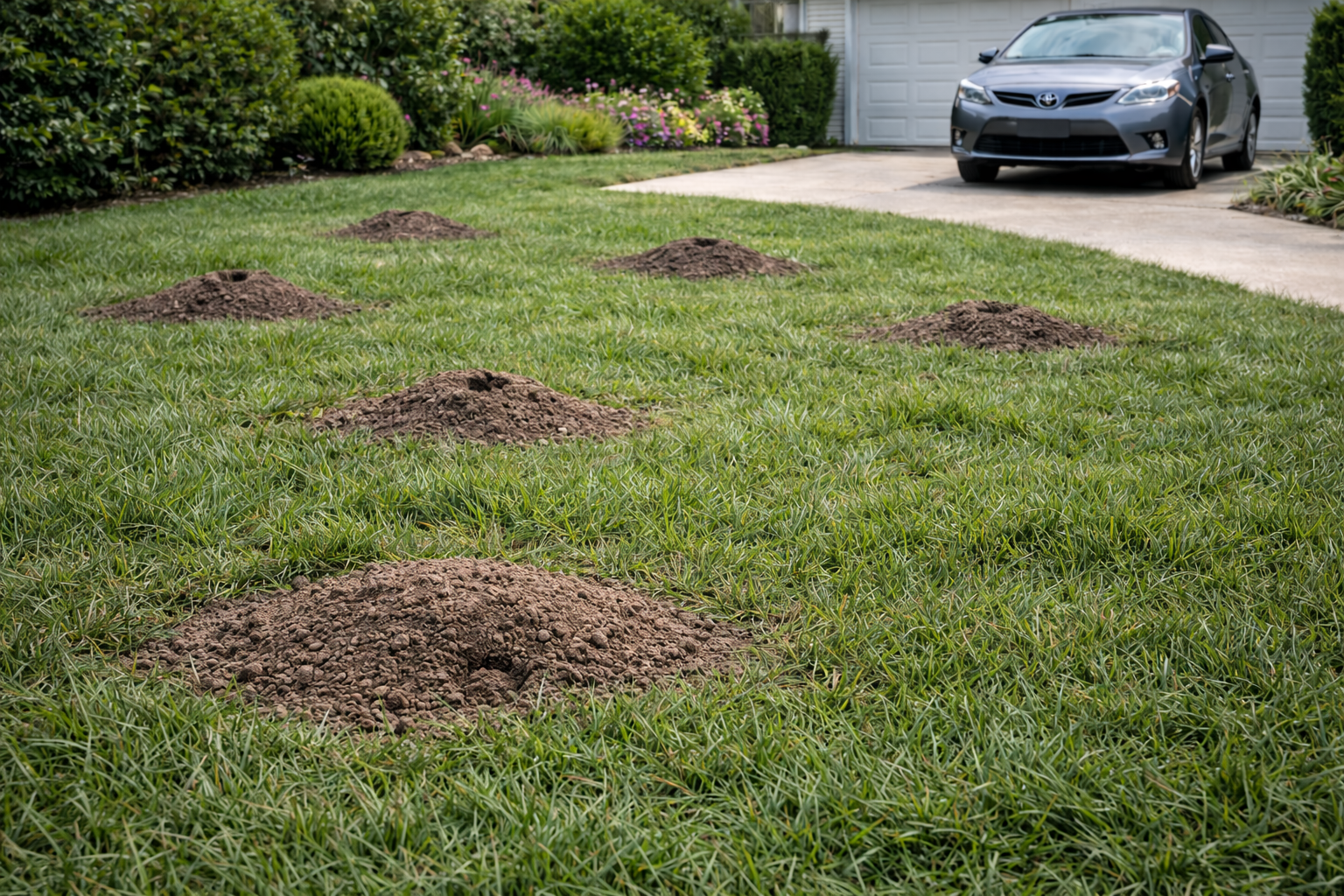
Gopher Activity in Villa Park, CA

Villa Park, an unincorporated community in Orange County nestled between Santa Ana and Orange, experiences persistent gopher activity throughout the year. The combination of residential landscaping, mild climate, and proximity to natural open spaces creates ideal conditions for pocket gopher populations to thrive. Property owners in Villa Park encounter gopher damage with notable frequency, making understanding local gopher behavior essential for informed land management decisions.

Why Villa Park Has Significant Gopher Activity

Villa Park's geographic location and environmental characteristics make it particularly susceptible to gopher infestations. The area sits within Orange County's coastal plain, characterized by well-draining alluvial soils that are ideal for burrowing. These soils, deposited over centuries by the Santa Ana River system, lack the compaction and clay content that would impede tunnel construction. The gentle topography allows gophers to establish extensive underground networks with minimal effort, enabling rapid population expansion across properties.

The region's Mediterranean climate—with warm, dry summers and mild, wet winters—supports year-round gopher activity. Winter and early spring rains trigger increased soil moisture, which softens earth and makes excavation easier while also promoting vegetation growth that attracts gophers seeking food sources. Irrigation systems, common throughout Villa Park's residential neighborhoods, maintain consistent moisture levels that gophers require for both survival and tunnel stability. Many properties feature established ornamental landscaping and turf areas that depend on regular watering, inadvertently creating favorable gopher habitat.

Proximity to undeveloped areas surrounding Villa Park, including portions of Santiago Canyon and nearby reserves, serves as a reservoir for gopher populations. Gophers disperse from these natural areas into residential zones seeking easier access to cultivated plants and softer soils that require less energy to excavate than native chaparral. The gradual interface between developed and undeveloped land creates a transition zone where gopher activity tends to concentrate.

Common Gopher Species in Villa Park

The Botta's pocket gopher (Thomomys bottae) dominates gopher populations throughout Villa Park and the broader Orange County region. This species, named for the fur-lined cheek pouches used to transport food and nesting material, is medium-sized, typically weighing four to eight ounces with body lengths between five and seven inches. Botta's pocket gophers display dark brown to grayish-brown fur, though coloration varies depending on soil type in their immediate environment. Individuals inhabiting areas with reddish volcanic soils often display reddish-tinged fur, while those in lighter alluvial soils appear grayer.

These gophers possess distinctive physical adaptations for subterranean life. Their small eyes and ears—barely visible beneath dense fur—reflect minimal reliance on vision and hearing for navigation underground. Powerful front legs equipped with elongated claws enable efficient soil displacement. Their lips close behind their prominent front incisors, allowing them to excavate soil while keeping dirt from entering their mouths. This anatomical feature distinguishes pocket gophers from other burrowing rodents and contributes to their exceptional tunneling capability.

In Villa Park, Botta's pocket gophers establish territories in residential yards, golf courses, parks, and landscaped common areas. They prefer areas with soft, workable soil and adequate vegetation, making well-irrigated properties particularly attractive. Individual gophers maintain solitary territories, though multiple individuals may occupy the same property if resources are abundant. A single gopher can establish a burrow system exceeding 500 square feet, with main tunnels running six to eighteen inches below the surface and lateral feeding tunnels located closer to the surface where plants are more accessible.

When Gopher Activity Peaks in Villa Park

Gopher activity in Villa Park follows distinct seasonal patterns driven by breeding cycles, soil moisture, and vegetation phenology. The primary breeding season extends from January through March, coinciding with winter rainfall that increases soil moisture and stimulates plant growth. During this period, male gophers become more mobile as they search for females, resulting in increased surface activity and mound construction. Female gophers, pregnant or nursing young, excavate additional tunnels to expand their burrow systems, making this the season when property owners typically notice the most dramatic gopher damage.

Spring months, particularly March through May, represent the peak impact period for Villa Park residents. Winter and early spring rains in the region typically occur between November and April, with measurable precipitation varying significantly year to year. Following wet winters, gopher populations often reach their highest densities, and newly independent juvenile gophers begin establishing their own territories. The combination of soft, moist soil and abundant spring vegetation makes spring the most damaging season for established landscapes.

Summer months in Villa Park, typically characterized by minimal rainfall and irrigation-dependent landscapes, see continued but somewhat reduced gopher activity. The demand for regular irrigation to maintain turf and ornamental plants sustains soil moisture favorable for gopher survival, though active tunnel construction slows. Fall activity increases moderately as temperatures cool and gophers prepare for winter, though breeding activity remains minimal. Understanding this seasonal pattern helps property owners anticipate periods of peak vulnerability for their landscaping.

Signs of Gopher Damage in Villa Park Yards

Identifying gopher activity requires recognizing several distinct signs of their presence and burrowing behavior. The most obvious indicator is fresh earth mounds appearing in lawns, gardens, or landscaped areas. These mounds result from gophers pushing excavated soil to the surface through vertical shafts as they expand their tunnel systems. Villa Park gopher mounds typically measure four to six inches in height and eight to twelve inches in diameter, though larger mounds occasionally develop in undisturbed areas. Unlike mole mounds, which are volcano-shaped with an opening at the top, gopher mounds are typically fan-shaped or irregular, with soil pushed to one side of the burrow opening.

Subsurface tunneling causes visible surface depressions and sunken areas in turf, particularly noticeable following heavy irrigation or rain when tunnel roofs collapse. In garden beds, gophers create characteristic grooved surface tunnels, visible as slightly raised ridges running through soil where they've pushed upward while excavating subsurface passages. These surface tunnels allow gophers to feed on plant roots while remaining partially protected underground. Property owners in Villa Park frequently observe plants wilting suddenly despite adequate water, indicating gopher root damage rather than irrigation failure.

Direct plant damage provides another clear indicator of gopher presence. Gophers clip plant roots, bulbs, and young seedlings as they tunnel through soil, often severing plants below ground level. Newly planted trees and shrubs are particularly vulnerable, as gophers may sever roots faster than plants can establish. In Villa Park's landscaped properties featuring drip irrigation systems, gophers frequently damage irrigation tubing while tunneling, creating leaks and reducing water delivery efficiency. Sections of underground irrigation emitter lines may be completely destroyed or displaced, disrupting water distribution to established plantings.

Landscape Considerations for Villa Park Properties

Villa Park's residential landscape aesthetic, characterized by mature trees, established shrub borders, and maintained turf areas, creates complex gopher management scenarios. Many properties feature heritage oak trees and established landscaping that residents wish to preserve, requiring protection strategies that balance gopher management with tree health. The mix of native and non-native ornamental plantings common in Villa Park creates variable attractiveness to gophers—some plants suffer heavy damage while nearby alternatives remain relatively untouched.

Certain plants commonly found in Villa Park landscapes demonstrate higher vulnerability to gopher damage. Young fruit trees, including apple, pear, and stone fruit varieties popular in the area's older established neighborhoods, face severe root damage and mortality. Susceptible vegetables include carrots, potatoes, and other root crops. Bulbs—tulips, daffodils, and ornamental allium species frequently planted in Villa Park gardens—are selectively targeted by gophers seeking nutritious underground food sources. Conversely, some plants show remarkable resistance or reduced attractiveness: established roses, mature oaks and sycamores, established citrus trees, and many native drought-tolerant species experience less damage.

Hardscape elements, including patios, pathways, and raised garden beds, offer limited but imperfect protection. Gophers tunnel beneath hardscape features, sometimes causing settling or cracking as tunnels collapse underneath. Raised beds, while reducing gopher access to roots, require proper barriers—metal or heavy plastic exclusion installed in the bottom—to prevent upward burrowing into contained soil. Mulched areas and decorative stone attract gophers by providing loose soil suitable for tunneling while offering concealment. Properties combining hardscape, selective plant choices, and regular monitoring tend to experience more manageable gopher activity than those featuring continuous soft landscaping across large areas.